Floral

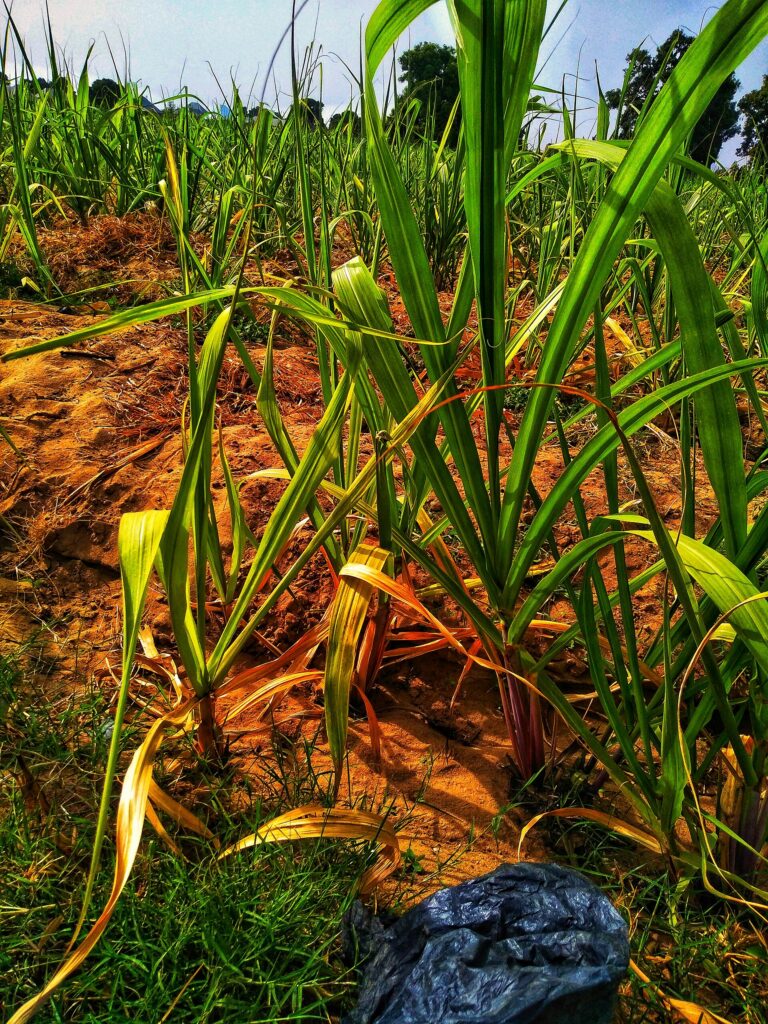
Sugarcane growing in a field

Sweet Cachaça

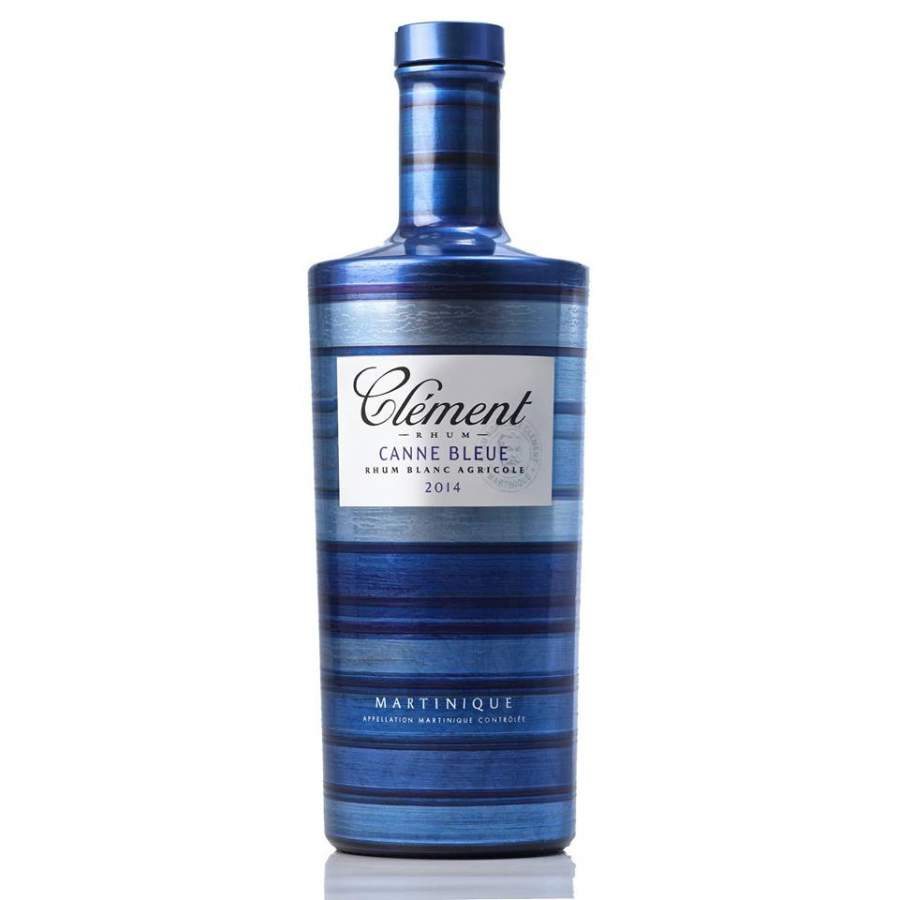
Cachaça deliberately sweetened beyond the ordinary Brazilian category's allowance. Cane, grass, flowers or fruit remain relevant, while added sugar can soften perceived heat and increase roundness. A good example retains definition and balance rather than becoming merely sugary or masking an indistinct distillate.
Sweet Cachaça Read More »

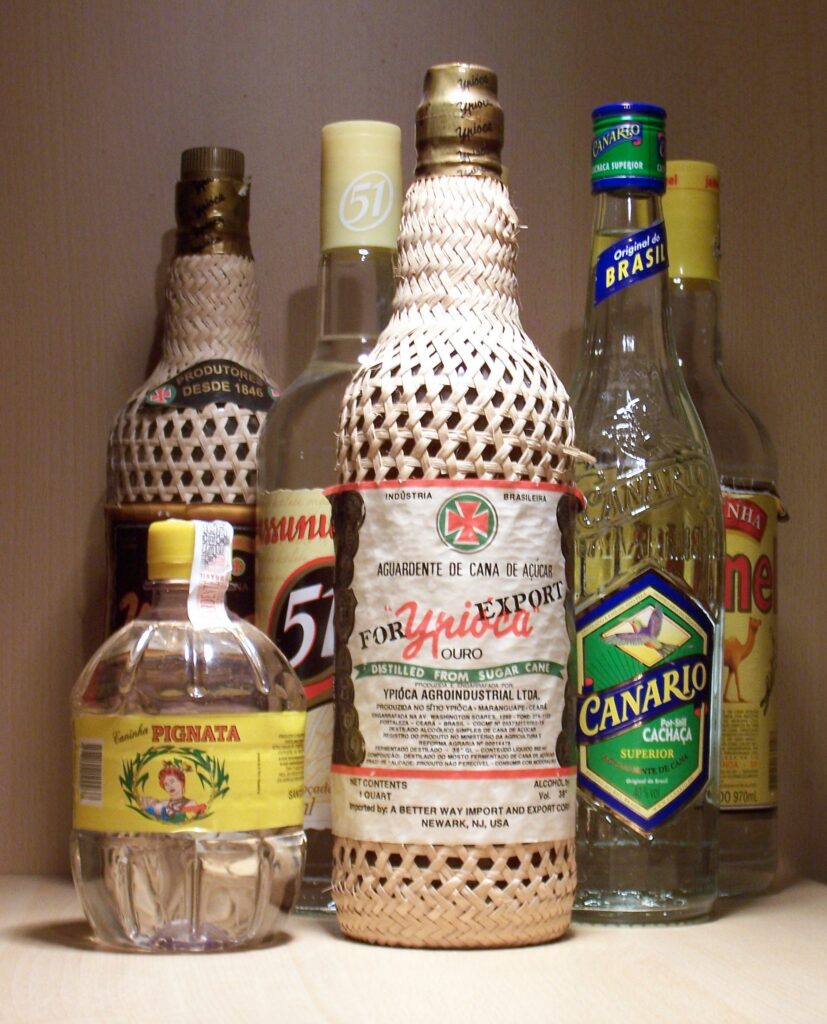
Cachaça bottles

Cachaça

A Brazilian cane-juice spirit with potential fresh grass, flowers, fruit, pepper and earthy complexity. Unaged expressions can be vivid and direct; wood-influenced versions may gain spice, nuts, vanilla or distinctive native-wood aromas. A coherent cane-derived character remains a useful reference across this broad family.

Cachaça Read More »

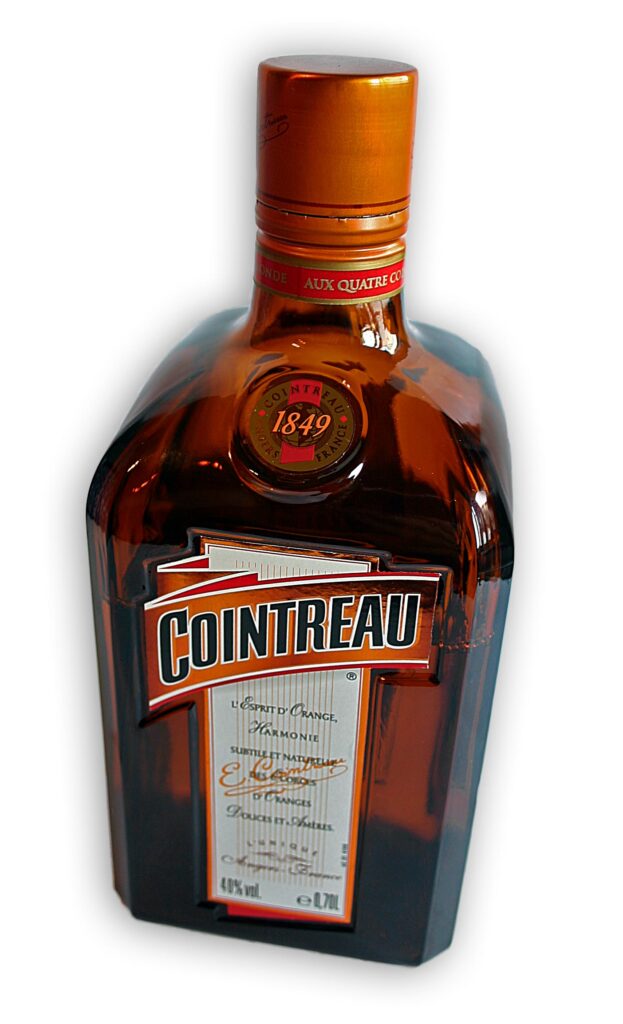
Cointreau orange liqueur

Citrus Liqueur

A sweetened spirit whose principal identity comes from citrus. Orange, lemon, grapefruit and other citrus directions can emphasize peel oils, fresh fruit, pith bitterness or candied character. The balance between aromatic brightness and sweetness is more informative than colour alone.

Citrus Liqueur Read More »

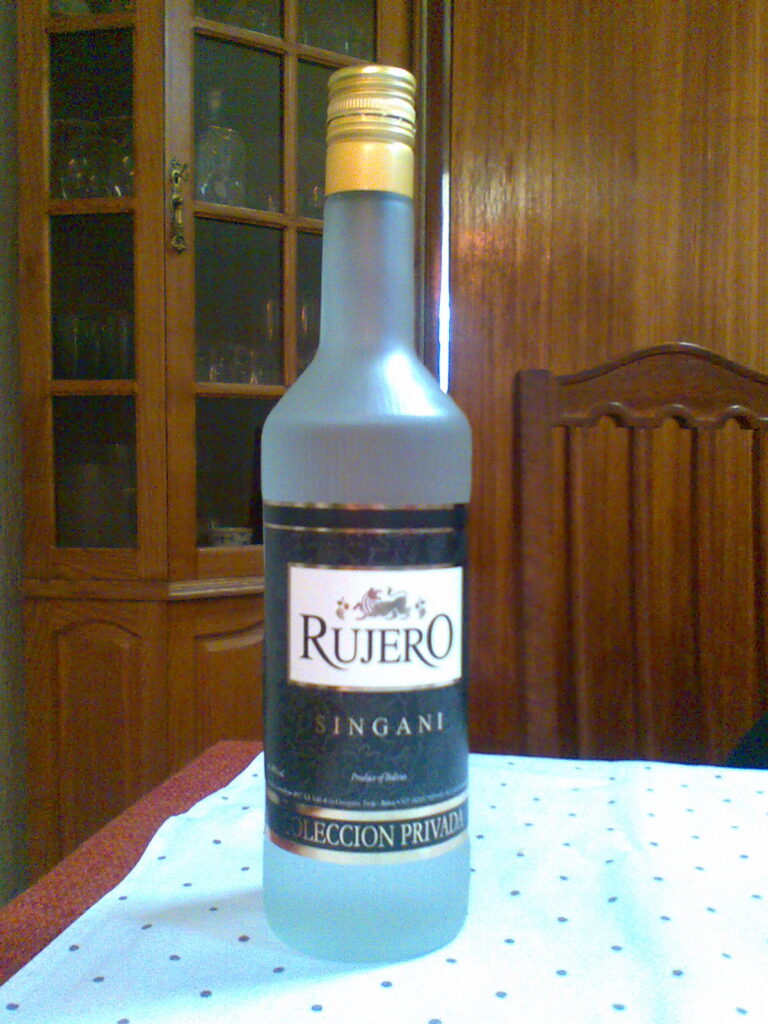
Rujero singani

Singani

A Bolivian grape spirit best known internationally through clear, aromatic Muscat expressions. Floral, grape and citrus associations can be prominent while the palate remains dry. It offers an expressive unwooded alternative within the wider brandy family without being interchangeable with pisco.

Singani Read More »

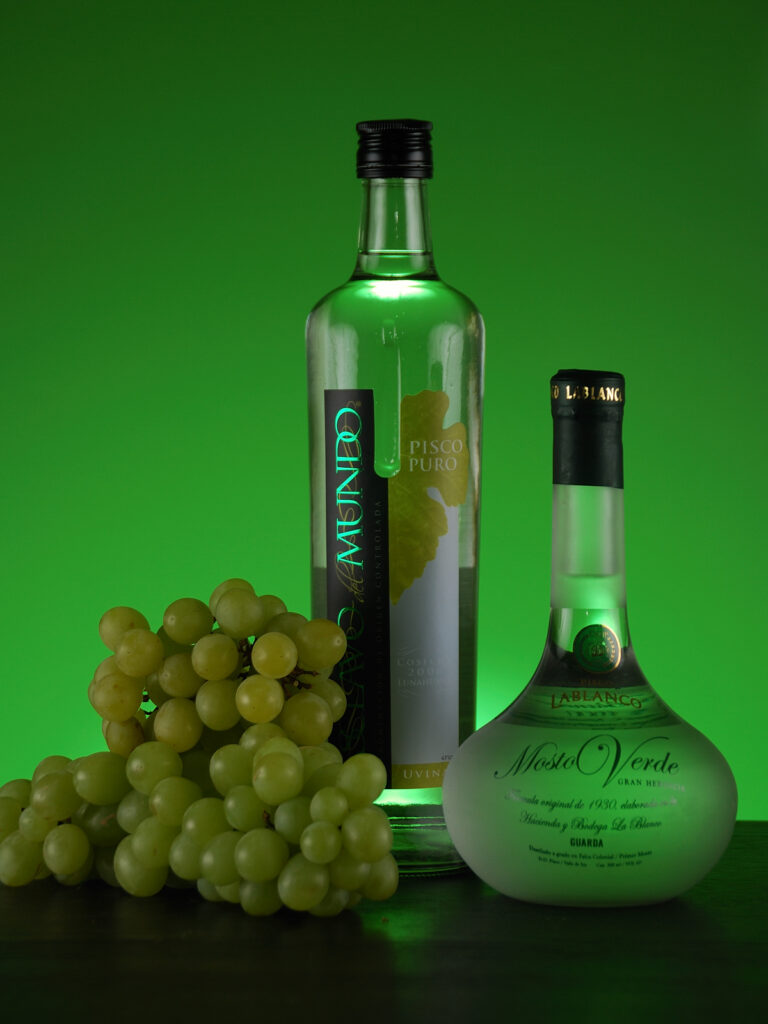
Peruvian pisco bottles

Pisco Peru

A clear Peruvian grape spirit whose expression ranges from relatively restrained and structured to intensely floral and fruity. Grape selection and whether the must completes fermentation before distillation are central distinctions. Oak flavour is outside the intended protected identity.

Pisco Peru Read More »

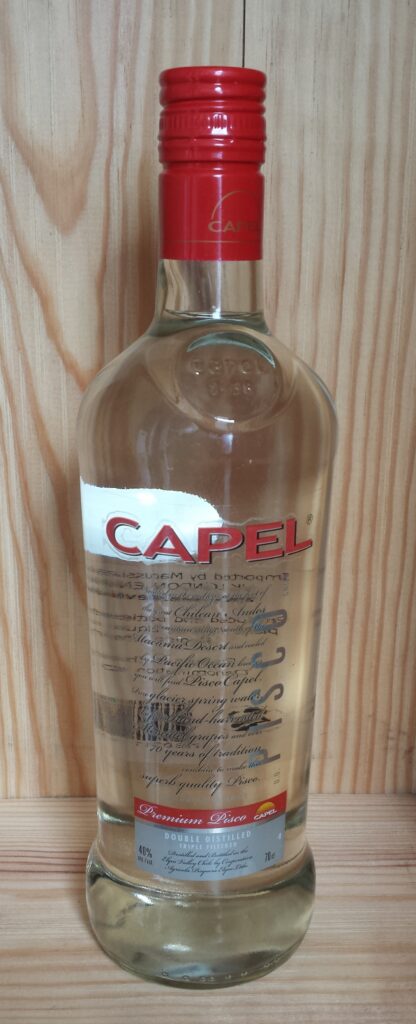
Capel pisco from Chile

Pisco Chileno

A protected Chilean grape spirit that can range from bright, floral and citrus-led to rounded and wood-influenced. Aromatic grape varieties often provide an expressive nose, but maturation and producer choices create substantial variation. It should not be treated as identical to Peruvian pisco.

Pisco Chileno Read More »

Scroll to Top