
AOC Martinique Rhum Agricole
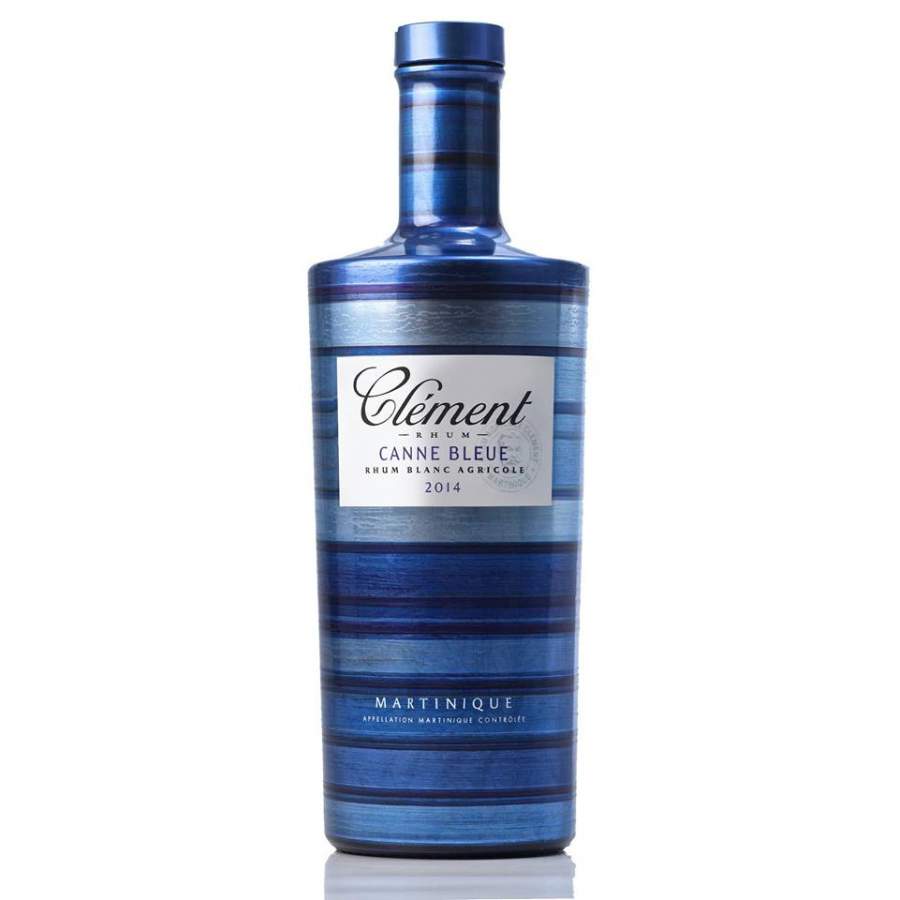
A Martinique cane-juice rum family combining fresh plant and fermentation expression with optional oak development. Blanc can be vivid, grassy, floral and peppery; matured expressions may add dried fruit, cocoa and spice. The best examples preserve a recognizable cane-derived foundation through their chosen maturation style.
Color
Maturation
Alcohol
Sweetness
Balance
History
Martinique’s rhum agricole developed within a sugar economy whose changing fortunes encouraged the use of fresh cane juice for rum production. The island’s industry guide places this development in the context of nineteenth-century changes in sugar production and later efforts to define the spirit’s identity. Appellation recognition in 1996 was a decisive protection milestone. It formalized an established Martinican tradition rather than inventing cane-juice distillation. CODERUM: Martinique rum guide, 2021.
Classic characteristics
Appearance
Colourless for blanc through gold and mahogany for wood-matured examples; normally clear.
Aroma
Medium to pronounced grass, cane, flowers and fruit; aged forms add oak, spice and dried-fruit notes.
Flavor
Vegetal and fruity foundations with peppery freshness; wood can introduce vanilla, cocoa and tannin.
Sweetness
Usually dry in impression; ripe-fruit and vanilla aromas should not be confused with measured sugar.
Mouthfeel
Light to full, often firm and expressive; higher-strength blanc can be oily and warming.
Finish
Medium to long; cane, herbs and pepper when young, increasingly woody or dried-fruit-led with maturation.
Flavor Profile Deep Dive
Declare blanc, élevé sous bois or vieux before scoring; cane and maturation expression should match that branch. Investigate persistent unpleasant solvent-like, stale or sulfurous character in context. Do not diagnose a specific production error from one aroma; appropriate fermentation character and proof-related warmth are not automatic faults.
Service notes
Teach blanc and aged expressions as related branches rather than separate raw-material categories. Compare similar strengths when possible, and record any tasting dilution. Staff should say “AOC Martinique” only for a documented qualifying bottle. A fresh cane or grassy note describes flavour; it does not by itself demonstrate compliance with the appellation.
Style parameters
| Parameter | Boundary or expectation |
|---|---|
| Base material | Fermented fresh sugarcane juice |
| Bottled strength | Record actual bottle strength; U.S.-market rum must meet the U.S. rum rule's bottling floor. |
| United States: bottled ABV | at least 40%; Ordinary rum/cachaça identity; origin requirements remain applicable. |
| Color and clarity | Colourless for blanc through gold and mahogany for wood-matured examples; normally clear. |
| Maturation | Declare blanc, élevé sous bois or vieux; the last has the three-year minimum noted in the shared references. |
| Additions | Follow the AOC specification; an added botanical or fruit flavour is not automatically covered by the appellation. |
Legal limits apply only to the named jurisdiction and identity. ADI entry conditions and typical sensory expectations are separate; a product example is not a universal range.
Cocktail connections
Style comparison
Cane juice and protected Martinique production separate this entry from generic molasses rum and from cane-juice spirits produced elsewhere. Column distillation does not imply a neutral or light result: these rums can be highly expressive. Cachaça shares a cane-juice foundation but has a different country, legal framework and production tradition.
Ingredients
Fermented fresh sugarcane juice
Production notes
This is a protected French appellation, not a generic synonym for all cane-juice rum. Its specification controls origin, cane cultivation, fermentation, column distillation and maturation. Distillate is collected within the specified 65–75% ABV range. The family includes blanc, élevé sous bois and vieux; vieux requires at least three years in qualifying oak vessels. A bottle's stated appellation and age category matter more than its colour alone.
Commercial examples
No newly verified benchmark is designated in this revision. The original example discussion below remains a research lead, with its original qualifications.
Retained example and source context. Clément Extra-Aged, 42%, illustrates the matured branch. INAO appellation record; 2020 specification. ADI scope: S088.
Photo credit
Clément Canne Bleue rhum agricole. Photo: Florianehayot / Wikimedia Commons. CC BY-SA 4.0. Display resized; no other edits.

Keep exploring
- INAO Martinique AOC specification — evidence reviewed 2026-09-17.
- 27 CFR 5.147 — evidence reviewed 2026-09-17.