
Cachaça
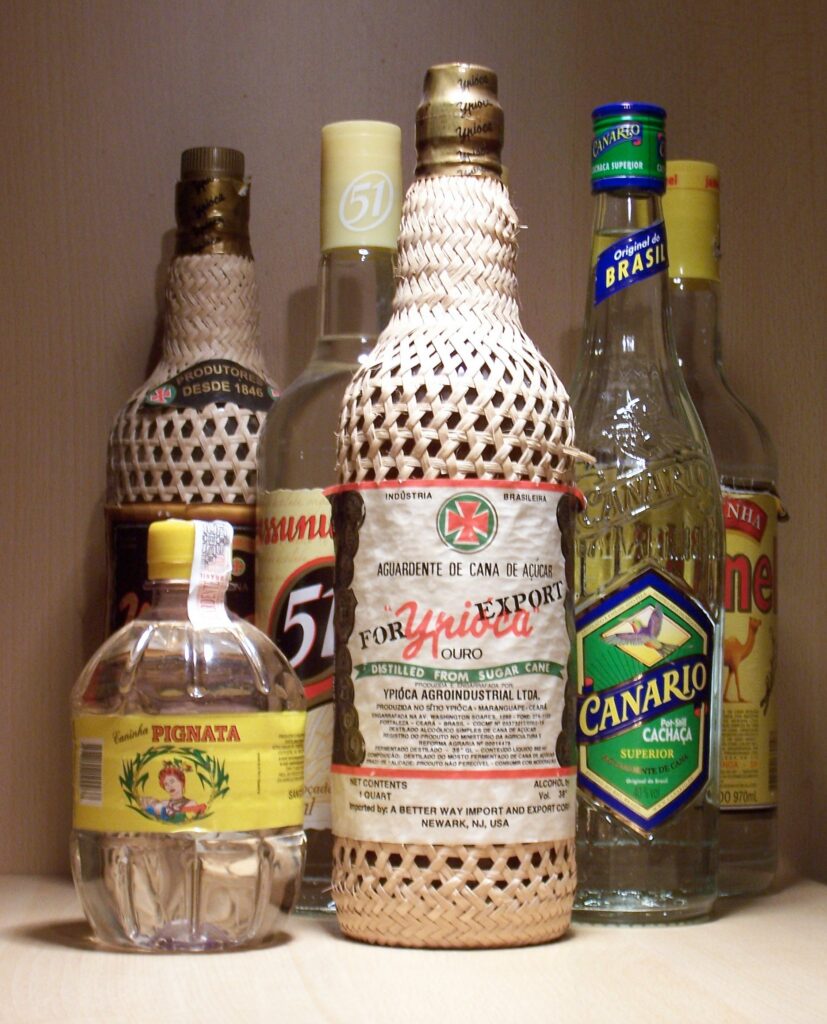
A Brazilian cane-juice spirit with potential fresh grass, flowers, fruit, pepper and earthy complexity. Unaged expressions can be vivid and direct; wood-influenced versions may gain spice, nuts, vanilla or distinctive native-wood aromas. A coherent cane-derived character remains a useful reference across this broad family.
Color
Maturation
Alcohol
Sweetness
Balance
History
Cachaça’s history is tied to Brazil’s colonial sugar economy and the struggle over local production and taxation. The Revolta da Cachaça of 1660 is a documented political milestone emphasized by the Brazilian industry’s historical account. Much later, protection of the name strengthened its national commercial identity. These events offer firmer teaching points than assigning every cachaça to one supposedly certain first distillery or exact invention year. IBRAC: historical milestones of cachaça.
Classic characteristics
Appearance
Colourless to gold or amber; wood species and treatment can create varied hues and intensities.
Aroma
Medium to pronounced cane, grass, flowers, banana or other fruit; wood may add spice and nuts.
Flavor
Fresh vegetal and fruity character, sometimes peppery or earthy; matured forms add distinct wood influence.
Sweetness
Usually dry to gently sweet in impression; the Brazilian cachaça rules permit limited sugar before the adoçada designation.
Mouthfeel
Light to full and rounded; clean warmth, oiliness and restrained astringency may contribute.
Finish
Medium to long; cane, fruit, pepper or wood-specific spice depending on expression.
Flavor Profile Deep Dive
Assess fresh-cane character with the declared wood and sugar classification; unfamiliar Brazilian wood aromas are not automatically defects. Investigate persistent unpleasant solvent-like, stale or sulfurous character in context. Do not diagnose a specific production error from one aroma; appropriate fermentation character and proof-related warmth are not automatic faults.
Service notes
Compare a neutral-vessel-rested expression with a documented wood-treated one. Separate freshness, fermentation fruit and wood character in notes. For consumers, explain cachaça before introducing the Caipirinha; the cocktail is an application, not the spirit's definition. A clear cachaça may have rested extensively without wood, so colour alone cannot establish time since distillation.
Style parameters
| Parameter | Boundary or expectation |
|---|---|
| Base material | Fermented fresh sugarcane juice |
| Bottled strength | Brazil 38–48% ABV; apply the U.S. rum rule to U.S.-market bottling. |
| Brazil: bottled ABV | at least 38% and at most 48%; see identity requirements. |
| United States: bottled ABV | at least 40%; Ordinary rum/cachaça identity; origin requirements remain applicable. |
| Color and clarity | Colourless to gold or amber; wood species and treatment can create varied hues and intensities. |
| Maturation | Unaged, wood-stored and legally aged categories differ; use the actual designation and wood information. |
| Additions | Sugar and colour permissions follow the Brazilian classification; do not assume every cachaça is unsweetened. |
Legal limits apply only to the named jurisdiction and identity. ADI entry conditions and typical sensory expectations are separate; a product example is not a universal range.
Cocktail connections
Style comparison
Its Brazilian identity and juice substrate distinguish cachaça from generic molasses rum. It is related sensorially to other fresh-cane spirits but is not Martinique agricole. Native woods can create flavours unlike conventional oak-aged rum; these should be identified through documentation rather than interpreted automatically as added spices.
Related styles: AOC Martinique Rhum Agricole · Sweet Cachaça.
Ingredients
Fermented fresh sugarcane juice
Production notes
Cachaça is Brazil's distinctive spirit made from fermented sugarcane juice, rather than a generic name for any cane distillate. Pot and other distillation methods exist. Brazilian rules distinguish production and maturation designations, including specific treatment of alambique production. The 38–48% domestic strength range and sugar distinction appear in the Brazilian cachaça rules. U.S. law recognizes cachaça within rum and requires the relevant U.S. bottling strength; a domestic Brazilian bottle is not automatically export-conforming.
Commercial examples
Retained example and source context. Novo Fogo Silver, 40%, documents neutral stainless-steel resting. ADI scope: S090; the Brazilian cachaça rules and the U.S. rum rule.
Photo credit
Cachaça bottles. Photo: Tom Tom at German Wikipedia / Wikimedia Commons. CC BY-SA 3.0. Display resized; no other edits.

Keep exploring
- Brazil Decree 12,709/2025 — evidence reviewed 2026-09-17.
- 27 CFR 5.147 — evidence reviewed 2026-09-17.
- MAPA cachaça classification clarification — evidence reviewed 2026-09-17.