
Sweet Cachaça
Cachaça deliberately sweetened beyond the ordinary Brazilian category's allowance. Cane, grass, flowers or fruit remain relevant, while added sugar can soften perceived heat and increase roundness. A good example retains definition and balance rather than becoming merely sugary or masking an indistinct distillate.
Color
Maturation
Alcohol
Sweetness
Balance
History
Sweet Cachaça shares the Brazilian cane-spirit tradition, with a separate documented history as a named product classification. Article 53 of Brazil’s 2009 beverage decree explicitly distinguished cachaça adoçada from the base category by added sugar. That is a clear historical regulatory milestone, rather than the first occasion on which a producer sweetened cachaça. The subdivision should therefore remain part of the wider cachaça lineage, not receive a separate regional invention story. Brazil: original text of Decree 6871, June 4, 2009.
Classic characteristics
Appearance
Colourless through gold or amber, depending on wood treatment and permitted colour adjustment.
Aroma
Light to pronounced cane, grass, floral or fruit notes; sugar itself supplies no defining aroma.
Flavor
Cane-derived flavours with added sweetness; oak or native-wood notes may occur in documented matured versions.
Sweetness
Sweetened by definition; actual perception varies with strength, acidity, bitterness and flavour concentration.
Mouthfeel
Typically rounder or more coating than an otherwise comparable unsweetened base, without a mandatory syrupy body.
Finish
Short to long; cane or wood flavours should remain evident alongside the lingering sweetness.
Flavor Profile Deep Dive
Judge sweetness as intentional within the documented adoçada classification; tasting alone cannot establish the sugar band. Investigate persistent unpleasant solvent-like, stale or sulfurous character in context. Do not diagnose a specific production error from one aroma; appropriate fermentation character and proof-related warmth are not automatic faults.
Service notes
Use a bottle whose adoçada status is explicitly documented; do not assign it from taste. Compare with a similar-strength ordinary cachaça where possible. In Caipirinha or other recipe training, account for existing sweetness before adding more sugar. Staff should explain that this remains a Brazilian cane-juice spirit with a distinct sweetening designation, rather than describing it as rum mixed with syrup without further qualification.
Style parameters
| Parameter | Boundary or expectation |
|---|---|
| Base material | Fermented fresh sugarcane juice |
| Bottled strength | Brazilian cachaça range 38–48% ABV; U.S.-market bottling follows the U.S. rum rule. |
| Brazil: bottled ABV | at least 38% and at most 48%; see identity requirements. |
| United States: bottled ABV | at least 40%; Ordinary rum/cachaça identity; origin requirements remain applicable. |
| Color and clarity | Colourless through gold or amber, depending on wood treatment and permitted colour adjustment. |
| Maturation | Not required by sweetening classification; use the separate maturation statement and documented wood type. |
| Additions | Added sugar above 6 and below 30 g/L defines adoçada; other permissions follow the applicable standard. |
Legal limits apply only to the named jurisdiction and identity. ADI entry conditions and typical sensory expectations are separate; a product example is not a universal range.
Cocktail connections
Browse published cocktails. Documented recipes, conditional style choices and development substitutions are labeled separately.
No established classic or recognized modern cocktail match was found for this specific style in the sources reviewed. This records a research gap, not proof that no cocktail exists. No neighboring style has been substituted to fill the space.
Style comparison
The legal sweetening band distinguishes this entry from S090, not a different agricultural raw material. It also separates a documented adoçada product from one that merely smells of ripe banana or vanilla. Wood, filtration and sugar can each affect perceived smoothness, so a soft palate should not be attributed entirely to ageing.
Ingredients
Fermented fresh sugarcane juice
Production notes
This entry corresponds to cachaça adoçada. The underlying spirit retains cachaça's Brazilian cane-juice identity; sugar classification is a separate axis from still type and maturation. The Brazilian cachaça rules give the legal sugar band: above 6 and below 30 g/L. ADI's linked 2009 decree is supplemented here by more recent Brazilian sources. Sweet cachaça is not automatically a liqueur, and a sweet-tasting unsweetened cachaça does not qualify on sensory impression alone.
Commercial examples
No newly verified benchmark is designated in this revision. Select a documented qualifying expression before running a benchmark tasting.
Retained example and source context. ADI supplied source, S098; the Brazilian cachaça rules and the U.S. rum rule. No current producer-verified adoçada benchmark is asserted in the available sources; the legal designation, rather than a guessed brand formula, is the reference.
Photo credit
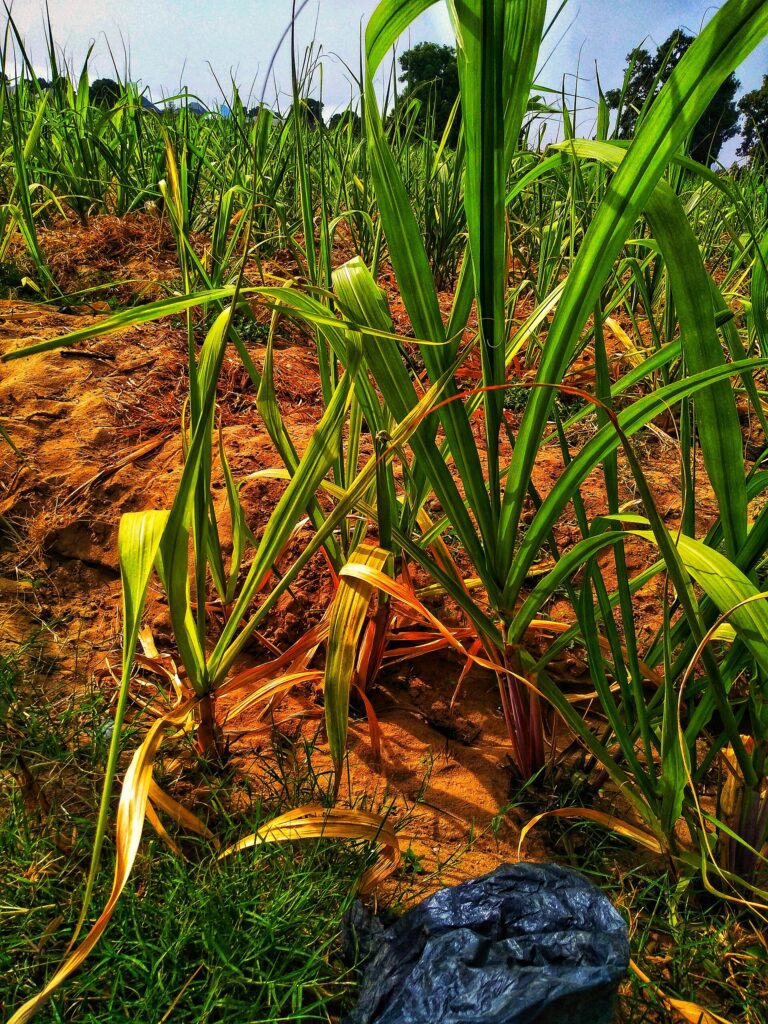
Ingredient or production reference: Sugarcane growing in a field. This photograph illustrates the raw material or process, not a bottle of this specific style. Photo: Yahuzaishat / Wikimedia Commons. CC0. Display resized; no other edits.

Keep exploring
- Brazil Decree 12,709/2025 — evidence reviewed 2026-09-17.
- 27 CFR 5.147 — evidence reviewed 2026-09-17.
- MAPA cachaça classification clarification — evidence reviewed 2026-09-17.