
Other Liqueur
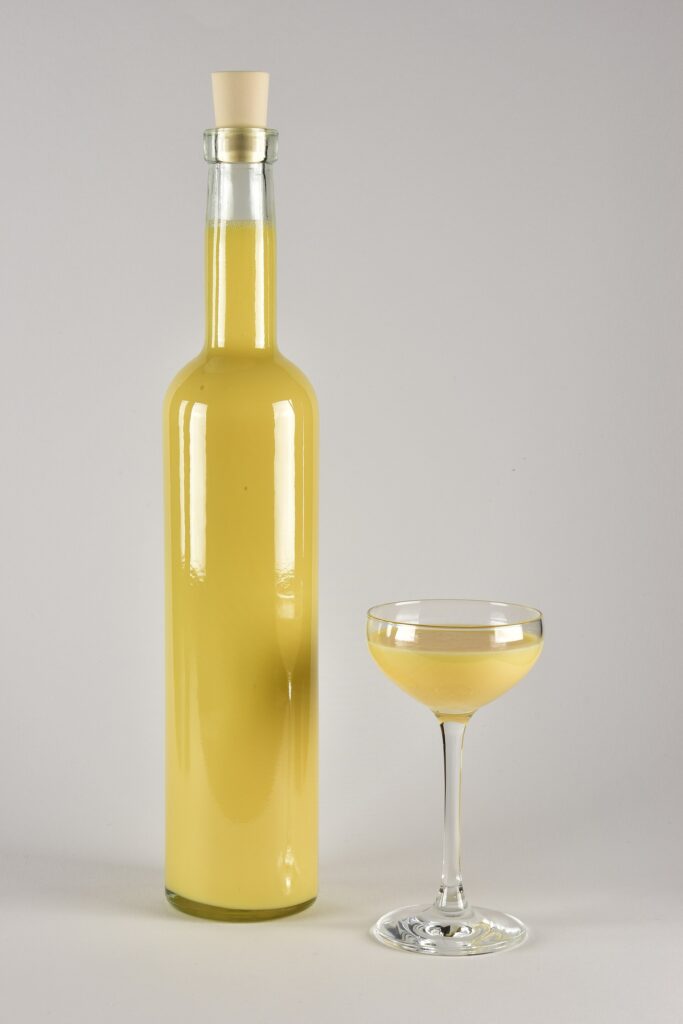
A residual category for sweetened spirits that do not fit the preceding principal-flavor families. Chocolate, honey-led or spirit-led preparations may belong here, depending on their composition and the competition's allocation. The category requires a declared intent before a useful sensory judgment can be made.
Color
Maturation
Alcohol
Sweetness
Balance
History
Other Liqueur is a residual competition grouping, so it does not have one shared origin. European regulation in 1989 already treated liqueurs as a broad family and separately described preparations such as egg liqueur, illustrating the diversity that formal classifications must accommodate. The appropriate history for an individual entry will depend on its ingredient, recipe and place; a single founding date for this catch-all heading would be misleading. European Community: Regulation 1576/89, adopted May 1989.
Classic characteristics
Appearance
Product-specific: clear, coloured or opaque according to ingredients.
Aroma
Declared central flavor or base spirit should be evident at the intended intensity.
Flavor
Flavor-led, with sweetness, alcohol and any bitterness supporting the formulation.
Sweetness
Sweetened by liqueur identity; actual perceived intensity varies widely.
Mouthfeel
Light through thick and coating, according to recipe and serving conditions.
Finish
Short through long; assess whether the intended flavor persists coherently.
Flavor Profile Deep Dive
Require a declared flavor family and intended use; this residual category has no universal ideal sweetness or texture. Investigate stale ingredients, an unpleasant solvent-like edge, or sweetness/bitterness that overwhelms the declared flavor. Intentional color or sweetening is not itself a defect.
Service notes
Begin every evaluation with a one-sentence product brief stating the base, principal flavor and intended presentation. Then judge clarity, balance and finish against that brief. In recipe development, identify whether the product supplies sweetness, flavor, alcohol or several functions at once. For consumers, replace the vague category label with a concrete description of the bottle, such as a chocolate liqueur or a honey-and-whisky liqueur, where supported.
Style parameters
| Parameter | Boundary or expectation |
|---|---|
| Base material | Spirit and declared flavor/sweetening ingredients |
| Bottled strength | Product-specific; named spirit-liqueur types may impose additional minima. |
| European Union: bottled ABV | at least 15%; General liqueur rule; explicit named-type exceptions apply. |
| Color and clarity | Product-specific: clear, coloured or opaque according to ingredients. |
| Maturation | Optional; distinguish a matured base from maturation of the finished liqueur. |
| Additions | Document the principal ingredients and the reason for placement in this residual category. |
Legal limits apply only to the named jurisdiction and identity. ADI entry conditions and typical sensory expectations are separate; a product example is not a universal range.
Cocktail connections
Style comparison
Other Liqueur is not a single style with one correct aroma. It is a coverage category that prevents unusual formulations from being forced into an inaccurate family. Chocolate liqueur, for example, need not contain dairy despite a creamy sensation or the name crème de cacao. Spirit liqueurs also should not be mistaken for their unsweetened base spirits.
Related styles: Cordial Gin · Herbal / Botanical / Spiced Liqueur.
Ingredients
Spirit and declared flavor/sweetening ingredients
Production notes
ADI explicitly includes spirit liqueurs such as rum-, gin- or whiskey-based products. Some of those overlap other entries when a botanical or fruit flavor becomes primary. Assign the product according to its documented identity and dominant purpose, then record the overlap. This row is not permission to omit a meaningful description.
Commercial examples
| Expression | Stated ABV | Source/market review | Eligibility note |
|---|---|---|---|
| Giffard Crème de Cacao Brown | 25% | French producer international page; checked 2026-09-18 | Cocoa-extract liqueur; illustrative of this broad residual liqueur category, not all its possible recipes. |
Retained example and source context. Giffard Crème de Cacao Brown documents cocoa extract and 25% ABV; Drambuie illustrates a whisky, honey and botanical formulation. Shared liqueur rules supply the general legal context.
Photo credit
Advocaat egg liqueur. Photo: Sebastian Koppehel / Wikimedia Commons. CC BY 4.0. Display resized; no other edits.

Keep exploring
- EU Regulation 2019/787 — evidence reviewed 2026-09-17.
- 27 CFR 5.150 — evidence reviewed 2026-09-17.