
Cordial Gin
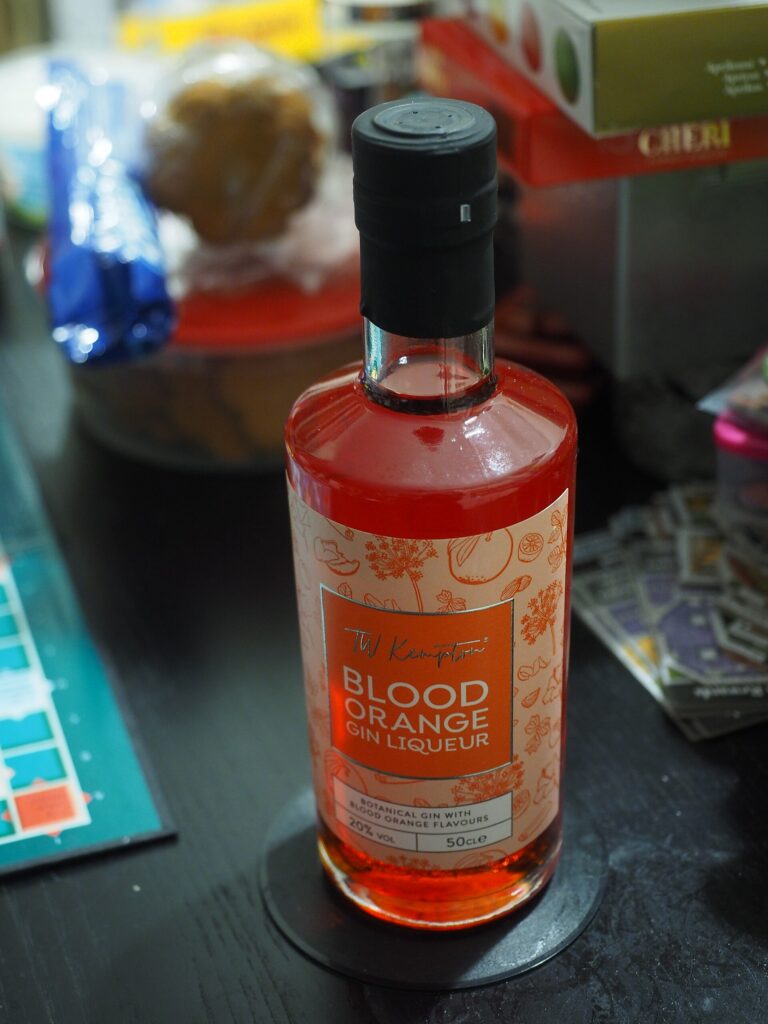
A deliberately sweet gin-based liqueur in which recognizable gin character remains central. Sweetness rounds the botanicals and changes texture, but should not automatically erase juniper or turn the finish into undifferentiated syrup. The style is broader than one historical recipe.
Color
Maturation
Alcohol
Sweetness
Balance
History
Gin cordial belongs to the history of sweetened gin preparations and domestic or commercial flavoring. Interviews with gin historians describe nineteenth-century recipes and later revivals, rather than a single founder. The term is therefore useful historically as a family of sweetened preparations. It should not be confused with a claim that all early gin was sweet or that sweetness invariably served to conceal defective spirit. Matador: interviews with gin historians on gin cordial.
Classic characteristics
Appearance
Often clear and colourless; additional ingredients may change colour.
Aroma
Juniper and supporting botanicals, with a potentially rounded sweet aromatic impression.
Flavor
Gin character supported by deliberate sweetness; other flavors must be assessed in context.
Sweetness
Sweetened by definition; exact perceived sweetness depends on sugar, alcohol and bitterness.
Mouthfeel
Rounded through viscous; should remain coherent with botanical intensity.
Finish
Medium or variable; juniper and spice may linger alongside sweetness.
Flavor Profile Deep Dive
Judge gin character through intentional sweetening; sweetness is defining rather than a defect in a cordial gin. Investigate stale ingredients, an unpleasant solvent-like edge, or sweetness/bitterness that overwhelms the declared flavor. Intentional color or sweetening is not itself a defect.
Service notes
Compare a dry gin and a qualifying cordial expression to separate botanical aroma from the effect of sweetness. Note changes in texture and finish rather than treating sugar solely as an aroma. In cocktails, the product may supply both spirit and sweetening functions, so a recipe may need adjustment after a controlled first trial. For consumers, say that it is sweetened and gin-led, with the actual ABV clearly stated.
Style parameters
| Parameter | Boundary or expectation |
|---|---|
| Base material | Agricultural spirit with juniper and other botanicals |
| Bottled strength | U.S. gin-liqueur type minimum 30%. |
| United States: bottled ABV | at least 30%; Gin liqueur; all distilled spirits used must be gin. |
| Color and clarity | Often clear and colourless; additional ingredients may change colour. |
| Maturation | No universal wood requirement; identify any matured base. |
| Additions | Sweetening defines the liqueur; document other ingredients separately. |
Legal limits apply only to the named jurisdiction and identity. ADI entry conditions and typical sensory expectations are separate; a product example is not a universal range.
Cocktail connections
Browse published cocktails. Documented recipes, conditional style choices and development substitutions are labeled separately.
No established classic or recognized modern cocktail match was found for this specific style in the sources reviewed. This records a research gap, not proof that no cocktail exists. No neighboring style has been substituted to fill the space.
Style comparison
Cordial Gin is not interchangeable with Old Tom, which ADI defines more broadly and does not restrict to a liqueur composition. Sloe gin has its own U.S. liqueur type and can fall below the gin-liqueur strength minimum. A sweet gin product therefore needs its actual designation checked rather than being assigned to this row by taste alone.
Ingredients
Agricultural spirit with juniper and other botanicals
Production notes
ADI equates the entry with U.S. gin liqueur. That specific type requires at least 30% ABV, all distilled spirits used to be gin, and a predominant characteristic gin flavour. The general U.S. liqueur sugar threshold also applies. This is more specific than the loose commercial use of “gin liqueur” for any low-strength fruit preparation.
Commercial examples
No newly verified benchmark is designated in this revision. Select a documented qualifying expression before running a benchmark tasting.
Retained example and source context. 27 CFR §5.150(a), (b)(4) establishes the specific U.S. class used by ADI. No lower-strength sloe or fruit product is presented as a qualifying benchmark without checking that distinction.
Photo credit
TW Kempton Blood Orange Gin Liqueur. Photo: JIP / Wikimedia Commons. CC BY-SA 4.0. Display resized; no other edits.

Keep exploring
- 27 CFR 5.150 — evidence reviewed 2026-09-17.