
Singani
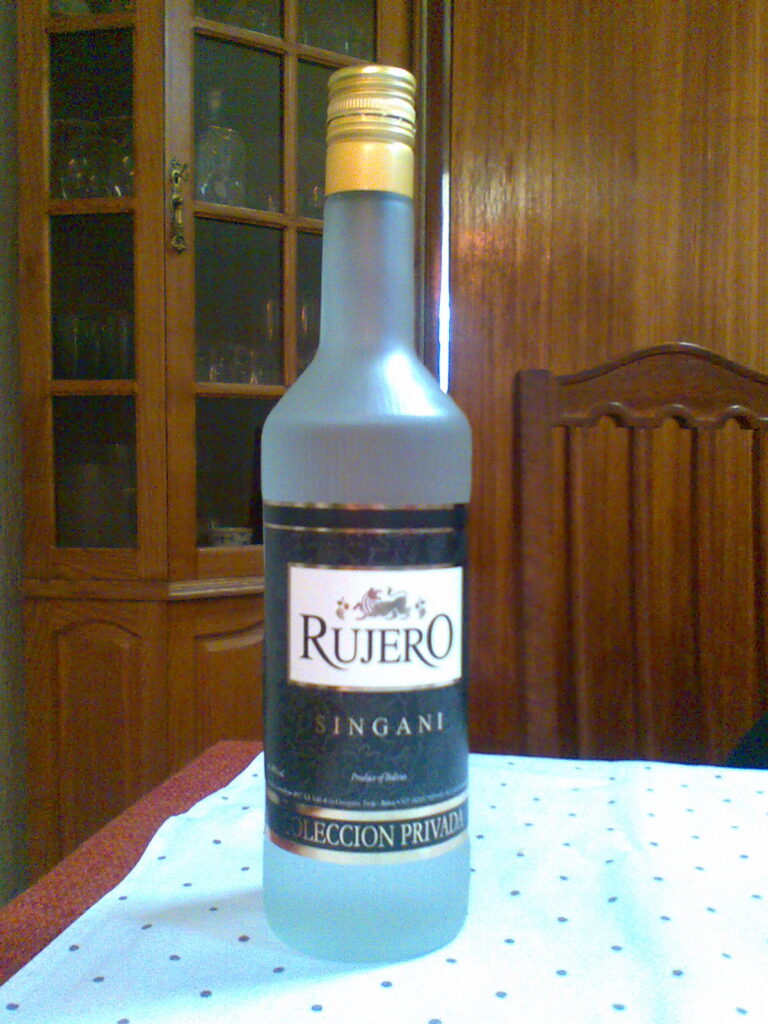
A Bolivian grape spirit best known internationally through clear, aromatic Muscat expressions. Floral, grape and citrus associations can be prominent while the palate remains dry. It offers an expressive unwooded alternative within the wider brandy family without being interchangeable with pisco.
Color
Maturation
Alcohol
Sweetness
Balance
History
Singani’s protected Bolivian identity was formalized in Law 1334 of 1992, which linked the name to designated production areas. A later international milestone came with the U.S. final rule published in January 2023 recognizing Singani within the standards of identity for distilled spirits. These dates document legal recognition of an existing Bolivian spirit; neither should be described as the year Singani was invented. Bolivia: Law 1334 of 1992, through WIPO; TTB: Singani recognition, final rule published January 2023.
Classic characteristics
Appearance
Typically clear and colourless in the familiar aromatic presentation.
Aroma
Medium to pronounced; floral perfume, fresh grape and citrus associations.
Flavor
Aromatic grape character, potentially with herbal or peppery detail.
Sweetness
Commonly dry despite a sweet-smelling floral nose.
Mouthfeel
Light through rounded, with warming alcohol and a potentially supple entry.
Finish
Medium or longer in expressive examples, carrying flowers, fruit or spice.
Flavor Profile Deep Dive
Assess the documented Bolivian subtype; do not generalize one premium muscat bottling into a universal recipe. Investigate persistent unpleasant solvent-like, stale or sulfurous character in context. Do not diagnose a specific production error from one aroma; appropriate fermentation character and proof-related warmth are not automatic faults.
Service notes
Compare a documented Muscat Singani with an aromatic pisco. Describe common floral features and the differences in texture or finish before discussing origin. Avoid claiming that altitude alone explains every sensory distinction; producer choices also matter. For consumers, identify Bolivia and the bottle's actual aromatic character. In a long drink, assess how much of that perfume survives dilution rather than judging the spirit only neat.
Style parameters
| Parameter | Boundary or expectation |
|---|---|
| Base material | Eligible Bolivian grape wine; verify subtype |
| Bottled strength | Singani 63 example 40%; U.S. The U.S. brandy strength requirements applies to the recognized brandy type. |
| United States: bottled ABV | at least 40%; Ordinary brandy identity; protected-origin specifications also apply. |
| Color and clarity | Typically clear and colourless in the familiar aromatic presentation. |
| Maturation | Familiar examples are unwooded; verify any specific presentation. |
| Additions | Follow the Bolivian specification and actual label; no generic flavoring assumption. |
Legal limits apply only to the named jurisdiction and identity. ADI entry conditions and typical sensory expectations are separate; a product example is not a universal range.
Cocktail connections
Style comparison
Singani's Bolivian origin identity is distinct from the pisco specifications of Peru and Chile. A shared aromatic grape or a similar floral note does not make the products legally equivalent. The 2023 U.S. recognition also means it should not be described using outdated assumptions that every unaged grape spirit must carry the ordinary immature-grape-brandy designation.
Ingredients
Eligible Bolivian grape wine; verify subtype
Production notes
Singani is protected under Bolivian origin rules and recognized as a distinct brandy type in the United States. The cited Bolivian framework links production to defined high-altitude origin zones. Muscat of Alexandria is central to the documented premium example, but broad claims about every legal subtype should be checked against the full Bolivian standard rather than extrapolated from one brand.
Commercial examples
No newly verified benchmark is designated in this revision. The original example discussion below remains a research lead, with its original qualifications.
Retained example and source context. Singani 63 production account; Bolivian origin law via WIPO; current U.S. recognition. The matrix describes the familiar aromatic expression rather than every Bolivian subtype.
Photo credit
Rujero singani. Photo: Juan Rodolfo Lillo. / Wikimedia Commons. Public domain. Display resized; no other edits.

Keep exploring
- 27 CFR 5.145 — evidence reviewed 2026-09-17.