
Unaged Grape Brandy
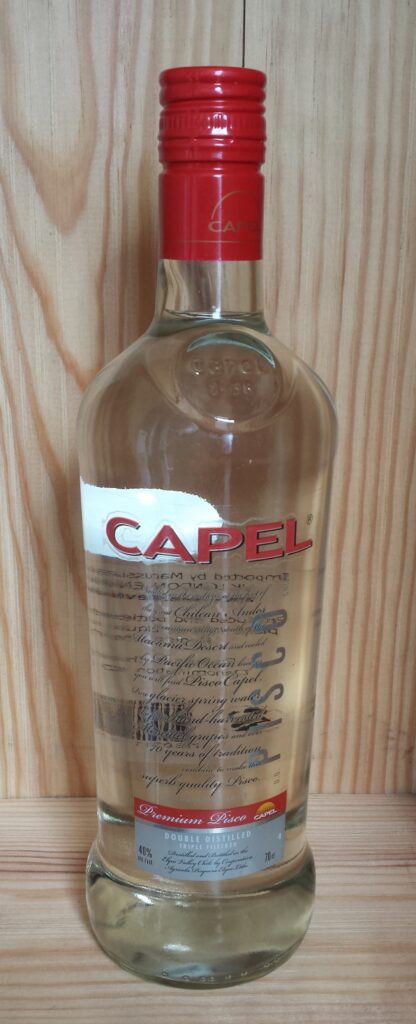
A grape-derived distillate presented without oak maturation, allowing grape, floral and fermentation character to remain central. Depending on variety and distillation, it may be delicate and restrained or notably aromatic. It should not be judged as an unfinished version of an aged brandy.
Color
Maturation
Alcohol
Sweetness
Balance
History
Unaged grape brandy covers spirits from different wine-producing regions and has no single founding event. Blanche Armagnac offers a precise modern milestone: its appellation was established in 2005, recognizing a fresh spirit that producers had previously kept for their own uses, including cooking. The date marks formal commercial recognition of an existing practice, not the invention of unaged wine distillate. BNIA: the Blanche Armagnac appellation.
Classic characteristics
Appearance
Normally clear and colourless; no oak-derived colour expected.
Aroma
Light to pronounced; grape, flowers, citrus, stone fruit or fermentation notes.
Flavor
Fresh fruit-derived expression, with aromatic intensity depending on grape and process.
Sweetness
Usually dry to sweet-seeming; grape aroma is not a sugar measure.
Mouthfeel
Light through rounded or oily; warmth depends on strength and integration.
Finish
Variable length; assess the persistence and clarity of grape-derived character.
Flavor Profile Deep Dive
Assess grape-derived definition without mandatory oak; verify the actual legal designation before style scoring. Investigate persistent unpleasant solvent-like, stale or sulfurous character in context. Do not diagnose a specific production error from one aroma; appropriate fermentation character and proof-related warmth are not automatic faults.
Service notes
Compare an aromatic and a less-aromatic grape expression where production is documented. Identify fruit and fermentation notes without demanding that the spirit resemble fresh grape juice. Then compare an oak-aged brandy to show what wood adds rather than what unaged spirit lacks. For consumers, emphasize the intended fresh, unwooded character and actual origin. In cocktails, its lack of oak grip can be as relevant as its aromatic intensity.
Style parameters
| Parameter | Boundary or expectation |
|---|---|
| Base material | Fermented grape juice, mash or wine |
| Bottled strength | ADI minimum 40%; distillation ceiling 85%. |
| United States: bottled ABV | at least 40%; Ordinary brandy identity; protected-origin specifications also apply. |
| Color and clarity | Normally clear and colourless; no oak-derived colour expected. |
| Maturation | No wood aging defines this entry; neutral resting does not make it oak-aged. |
| Additions | Verify formulation and designation; grape flavor added to alcohol is a different route. |
Legal limits apply only to the named jurisdiction and identity. ADI entry conditions and typical sensory expectations are separate; a product example is not a universal range.
Cocktail connections
Browse published cocktails. Documented recipes, conditional style choices and development substitutions are labeled separately.
No established classic or recognized modern cocktail match was found for this specific style in the sources reviewed. This records a research gap, not proof that no cocktail exists. No neighboring style has been substituted to fill the space.
Style comparison
This entry differs from pomace brandy in its main starting material and from neutral brandy in ADI's distillation boundary. Pisco and Singani can overlap its broad sensory territory while retaining protected identities. A clear grape spirit should not be assigned to one of those protected names merely because it smells floral.
Ingredients
Fermented grape juice, mash or wine
Production notes
ADI specifies eligible grape juice, mash or wine and a distillation ceiling of 85% ABV. Neutral resting can occur without introducing wood character. Under ordinary U.S. grape-brandy labeling, the immature designation in the U.S. grape-brandy maturation rule is relevant; protected types such as pisco and Singani have their own identity provisions and should be named accordingly.
Commercial examples
No newly verified benchmark is designated in this revision. Select a documented qualifying expression before running a benchmark tasting.
Retained example and source context. The supplied ADI definition establishes this broad entry. The U.S. brandy strength requirements, the U.S. grape-brandy maturation rule and the neutral-brandy distillation band explain U.S. boundaries. Protected examples described under Pisco Peru and Singani illustrate related sensory possibilities, but are not relabeled here as ordinary immature grape brandy.
Photo credit
Capel pisco, an unaged grape brandy. Photo: Dominic Lockyer / Wikimedia Commons. CC BY 2.0. Display resized; no other edits.

Keep exploring
- 27 CFR 5.145 — evidence reviewed 2026-09-17.