
Unaged Fruit Brandy
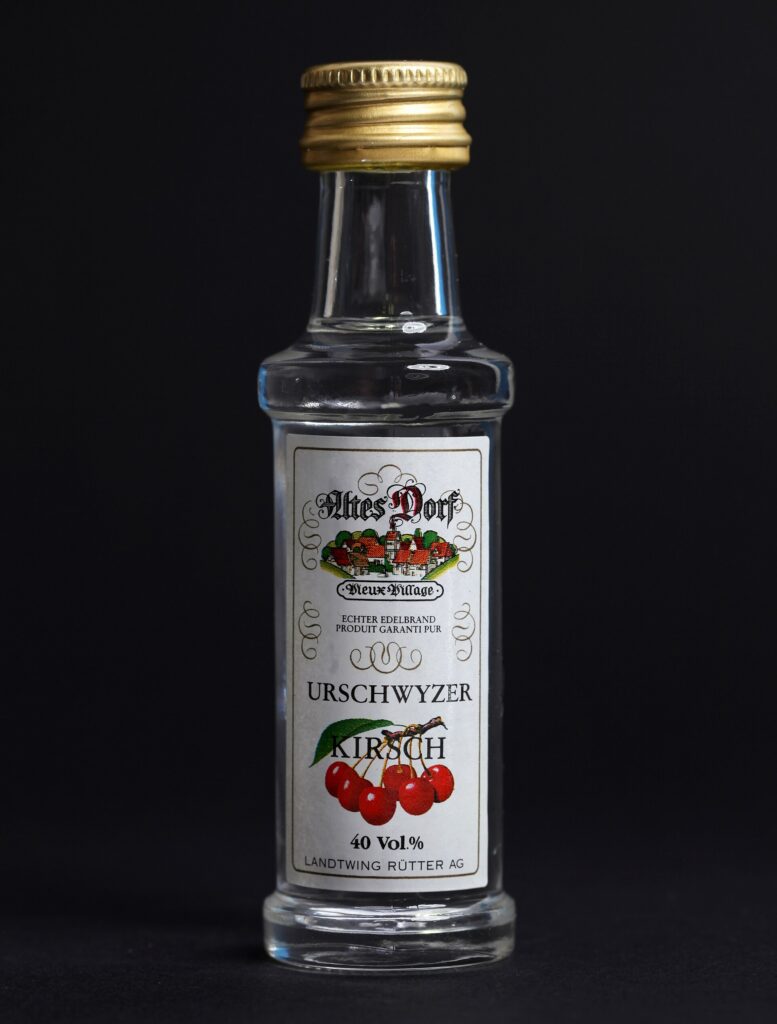
A clear fruit distillate intended to express the named fruit and its fermentation without an oak overlay. Pear, raspberry, cherry, plum and other fruits can produce very different aromatic signatures. A compelling example can smell richly fruity while tasting dry.
Color
Maturation
Alcohol
Sweetness
Balance
History
Unaged fruit brandy encompasses regional eau-de-vie traditions as well as later adaptations abroad. One well-documented American example is Jörg Rupf, who founded St. George Spirits in California in 1982 after growing up with a family distilling tradition in Germany’s Black Forest. His work connected that experience with California fruit. This illustrates the transmission and renewal of fruit-distilling knowledge, rather than the origin of the worldwide category. St. George Spirits: Jörg Rupf.
Classic characteristics
Appearance
Usually clear and colourless; fruit colour generally does not carry through distillation.
Aroma
Medium to pronounced; recognisable named-fruit character with possible floral or fermentation detail.
Flavor
Concentrated fruit associations despite dryness; spice or kernel-like notes depend on fruit.
Sweetness
Commonly dry; ripe-fruit aroma is not evidence of residual fruit sugar.
Mouthfeel
Light through rounded or oily, with warming alcohol.
Finish
Medium to long in expressive examples; fruit persistence is more informative than heat alone.
Flavor Profile Deep Dive
Judge clean expression of the named fruit; almond-like stone-fruit notes do not prove almond addition. Investigate persistent unpleasant solvent-like, stale or sulfurous character in context. Do not diagnose a specific production error from one aroma; appropriate fermentation character and proof-related warmth are not automatic faults.
Service notes
Compare an unaged fruit brandy with a liqueur made from the same fruit. Ask staff to identify the aromatic similarities, then assess sweetness and texture independently. This exercise helps prevent incorrect substitutions in cocktails. For consumers, say explicitly that the spirit is dry when a lush fruit aroma might suggest otherwise. Evaluate whether alcohol supports the fruit expression without requiring oak-derived softness or a dark colour as evidence of quality.
Style parameters
| Parameter | Boundary or expectation |
|---|---|
| Base material | Fermented fruit; identify species |
| Bottled strength | ADI minimum 40%; distillation at no more than 85%. |
| United States: bottled ABV | at least 40%; Ordinary brandy identity; protected-origin specifications also apply. |
| Color and clarity | Usually clear and colourless; fruit colour generally does not carry through distillation. |
| Maturation | No intended oak maturation; neutral-vessel resting is compatible with this profile. |
| Additions | Check product identity; sweetening or flavor addition may require a different designation. |
Legal limits apply only to the named jurisdiction and identity. ADI entry conditions and typical sensory expectations are separate; a product example is not a universal range.
Cocktail connections
Browse published cocktails. Documented recipes, conditional style choices and development substitutions are labeled separately.
No established classic or recognized modern cocktail match was found for this specific style in the sources reviewed. This records a research gap, not proof that no cocktail exists. No neighboring style has been substituted to fill the space.
Style comparison
Fruit brandy and fruit liqueur can share an aroma while differing fundamentally in production and sweetness. A colorless raspberry spirit is not missing the fruit merely because it lacks red pigment. Likewise, an intense pear perfume does not establish added flavor. Production evidence and tasting should be considered together.
Ingredients
Fermented fruit; identify species
Production notes
Fruit juice, mash or wine is fermented and distilled within ADI's specified boundary. “Unaged” here means no wood-aging requirement or intended wood-derived character; neutral resting may still occur. The fruit supplies the fermentable material. This separates the entry from a fruit infusion in neutral spirit or a sweetened fruit liqueur.
Commercial examples
| Expression | Stated ABV | Source/market review | Eligibility note |
|---|---|---|---|
| St. George Pear Brandy | 40% | Producer-listed expression; local availability not verified; checked 2026-09-18 | Producer identity and stated strength checked; not a tasting or full label-compliance certification |
Retained example and source context. St. George Pear Brandy documents fermented and distilled Bartlett pears, 40% ABV and no sugar addition. ADI establishes the entry's distillation and bottling limits; the U.S. fruit-brandy naming rule supplies U.S. fruit naming context.
Photo credit
Urschwyzer kirsch. Photo: Gürkan Sengün / Wikimedia Commons. CC BY-SA 3.0. Display resized; no other edits.

Keep exploring
- 27 CFR 5.145 — evidence reviewed 2026-09-17.