
Fruit Liqueur
A sweetened spirit led by non-citrus fruit, ranging from fresh and tangy berry styles to rich orchard-fruit or tropical expressions. Fruit intensity, acidity, sweetness and texture can vary independently. The named fruit should provide a coherent identity even when the style is deliberately rich.
Color
Maturation
Alcohol
Sweetness
Balance
History
Fruit liqueur encompasses many regional recipes, with maraschino providing one documented nineteenth-century example. Luxardo dates its Maraschino Originale tradition to 1821, linking the product to its house history and cherry-based production. That chronology belongs to a particular liqueur, not the invention of the whole fruit-liqueur family. Distilled fruit spirits and sweetened fruit liqueurs also need to remain historically distinct, even when trade names overlap. Luxardo: Maraschino Originale history.
Classic characteristics
Appearance
Colourless through vivid fruit colours or deep brown; process and ingredients determine expectation.
Aroma
Medium to pronounced named-fruit character, fresh, cooked, jam-like or dried by style.
Flavor
Fruit with variable acidity, peel or skin bitterness and supporting spirit character.
Sweetness
Clearly sweet, with acid and tannin altering the perceived balance.
Mouthfeel
Rounded through syrupy; richer texture should remain proportionate to flavor intensity.
Finish
Medium to long in expressive examples; fruit should persist beyond simple sweetness.
Flavor Profile Deep Dive
Assess the named fruit's definition with sweetness and acidity; vivid color alone does not establish real-fruit content. Investigate stale ingredients, an unpleasant solvent-like edge, or sweetness/bitterness that overwhelms the declared flavor. Intentional color or sweetening is not itself a defect.
Service notes
Compare the liqueur with an unsweetened distillate or juice of the same fruit where practical. Identify which fruit features remain and how sugar changes their perception. In recipes, consider acidity and body as well as sweetness before substituting one fruit liqueur for another. For guests, describe whether the product is fresh and tart, jam-like, or rich and dried-fruit-led rather than simply calling it fruity.
Style parameters
| Parameter | Boundary or expectation |
|---|---|
| Base material | Spirit, non-citrus fruit ingredients and sweetening |
| Bottled strength | Product-specific; Giffard Cassis d'Anjou example is 16%. |
| European Union: bottled ABV | at least 15%; General liqueur rule; explicit named-type exceptions apply. |
| Color and clarity | Colourless through vivid fruit colours or deep brown; process and ingredients determine expectation. |
| Maturation | Not inherently required; resting or a mature base may influence expression. |
| Additions | Fruit flavor and sweetening define the family; verify juice, acid and colour claims. |
Legal limits apply only to the named jurisdiction and identity. ADI entry conditions and typical sensory expectations are separate; a product example is not a universal range.
Cocktail connections
Browse published cocktails. Documented recipes, conditional style choices and development substitutions are labeled separately.
- Angel Face — qualified; supporting.
- Aviation — documented; supporting.
- Blood And Sand — documented; supporting.
- Bramble — documented; supporting.
- Brandy Crusta — documented; supporting.
- Brooklyn — documented; seasoning.
- Casino — documented; supporting.
- El Diablo — documented; supporting.
- French Martini — documented; supporting.
- Hemingway Special — documented; supporting.
- IBA Tiki — documented; seasoning.
- Illegal — documented; supporting.
- Kir — documented; supporting.
- Kir Royale — documented; supporting.
- Last Word — documented; supporting.
- Martinez — documented; supporting.
- Mary Pickford — documented; supporting.
- Paradise — qualified; supporting.
- Porn Star Martini — documented; supporting.
- Red Hook — documented; supporting.
- Remember The Maine — documented; supporting.
- Russian Spring Punch — documented; supporting.
- Sex On The Beach — documented; supporting.
- Singapore Sling — documented; supporting.
- Sloe Gin Fizz — Champagne version — documented; base.
- Tuxedo — documented; supporting.
- Holland House — documented; supporting.
Style comparison
Fruit Liqueur differs from dry fruit brandy through formulation and sweetness, even when both begin with the same fruit. It differs from Citrus Liqueur through the principal flavor. Blackcurrant, blackberry and raspberry are distinct fruits rather than interchangeable labels for dark berry liqueur, and their cocktail effects can differ considerably.
Ingredients
Spirit, non-citrus fruit ingredients and sweetening
Production notes
ADI includes distillation, maceration and extracts using fruit peel, flesh or juice, with citrus excluded as the principal flavor. The base may itself be distilled from fruit, or fruit may flavor another spirit. These routes can overlap in a commercial product. “Crème de” is not a statement that dairy cream is present.
Commercial examples
| Expression | Stated ABV | Source/market review | Eligibility note |
|---|---|---|---|
| Giffard Crème de Cassis d’Anjou | 16% | French producer international page; checked 2026-09-18 | Blackcurrant-infusion liqueur; sugar minima specific to named liqueurs still require separate attention. |
Retained example and source context. Giffard Crème de Cassis d'Anjou documents blackcurrant infusion and strength. Shared liqueur provisions supply the general legal context; protected fruit-liqueur names can add further requirements.
Photo credit
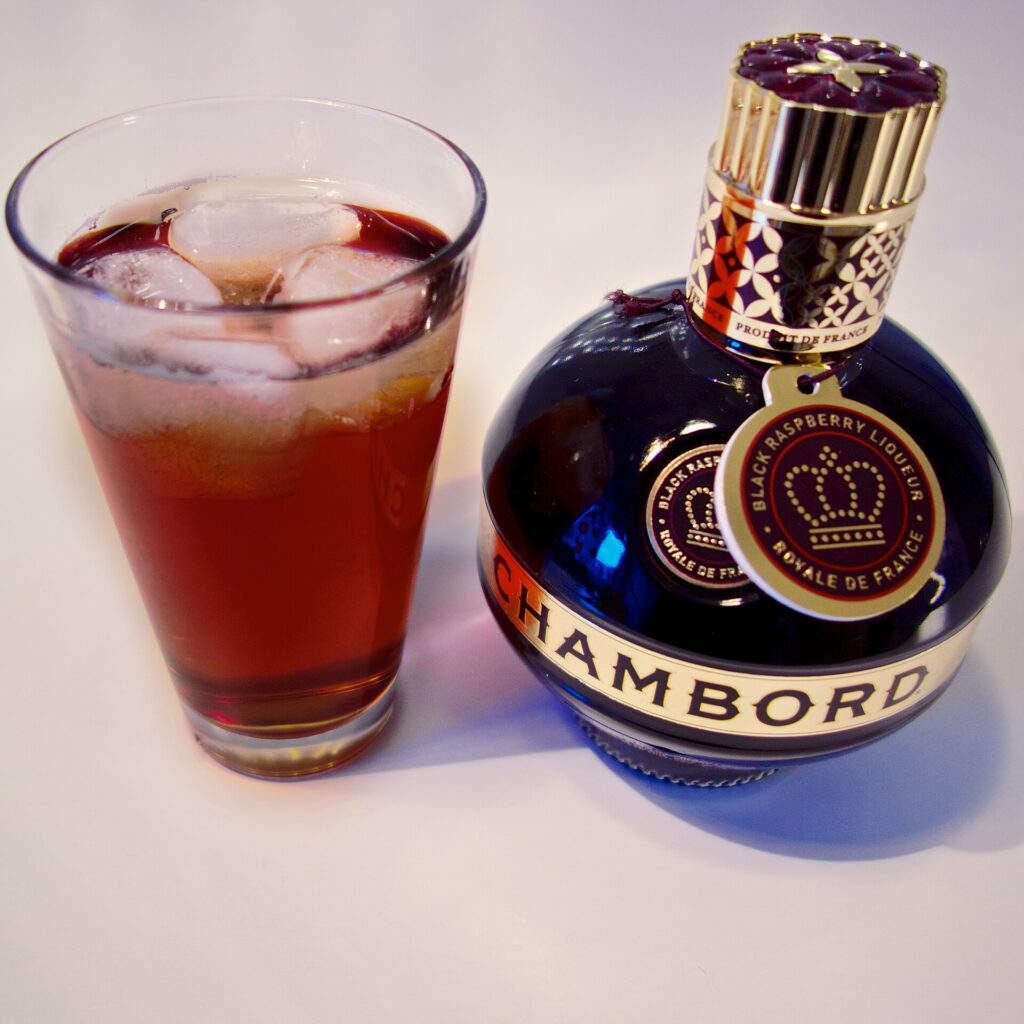
Chambord fruit liqueur. Photo: Maria Rantanen / Wikimedia Commons. CC BY-SA 2.0. Display resized; no other edits.

Keep exploring
- EU Regulation 2019/787 — evidence reviewed 2026-09-17.
- 27 CFR 5.150 — evidence reviewed 2026-09-17.