
Citrus Liqueur
A sweetened spirit whose principal identity comes from citrus. Orange, lemon, grapefruit and other citrus directions can emphasize peel oils, fresh fruit, pith bitterness or candied character. The balance between aromatic brightness and sweetness is more informative than colour alone.
Color
Maturation
Alcohol
Sweetness
Balance
History
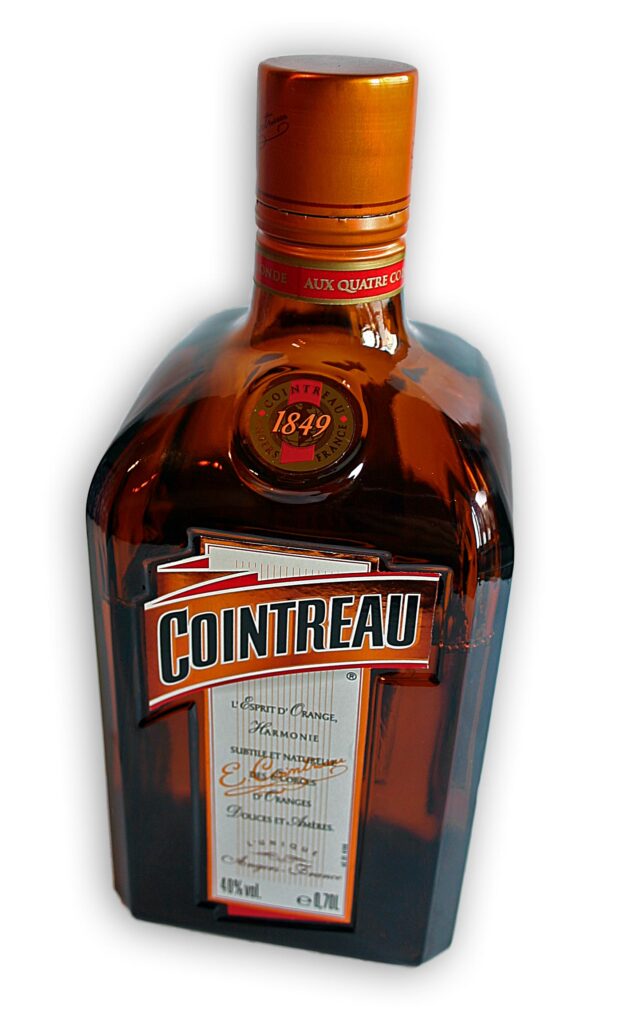
Citrus liqueur’s commercial history is illustrated by the archives of Cointreau, whose current chronology records an orange-liqueur recipe in 1857 and registration of its distinctive bottle in 1885. These are specific nineteenth-century milestones in a broader family of citrus preparations. They should not be converted into a claim that one house invented every orange liqueur, or replaced uncritically with the different dates that circulate in abbreviated brand histories. Cointreau: archival brand chronology.
Classic characteristics
Appearance
Colourless through yellow, orange, amber or deliberately coloured presentations.
Aroma
Medium to pronounced; citrus peel, flowers, fresh fruit or candied citrus.
Flavor
Citrus oils and fruit, with possible pith bitterness and base-spirit detail.
Sweetness
Sweet by family identity, balanced to differing degrees by bitterness, acidity and alcohol.
Mouthfeel
Rounded through viscous; citrus oils may contribute weight.
Finish
Medium to long in expressive examples, often carrying peel or bittersweet citrus.
Flavor Profile Deep Dive
Judge citrus definition, bitterness and sweetness together; aroma intensity need not imply juice-like acidity. Investigate stale ingredients, an unpleasant solvent-like edge, or sweetness/bitterness that overwhelms the declared flavor. Intentional color or sweetening is not itself a defect.
Service notes
Compare two citrus liqueurs at the same recipe quantity, noting differences in sweetness, strength and peel character. Then adjust the drink deliberately rather than treating the bottles as exact substitutes. For consumers, describe whether the selected product is bright and peel-led, rich and candied, or influenced by an aged base. Do not equate citrus aroma with fresh-juice acidity.
Style parameters
| Parameter | Boundary or expectation |
|---|---|
| Base material | Spirit, citrus ingredients and sweetening |
| Bottled strength | Product-specific within applicable liqueur rules; do not assume all triple secs share a strength. |
| European Union: bottled ABV | at least 15%; General liqueur rule; explicit named-type exceptions apply. |
| Color and clarity | Colourless through yellow, orange, amber or deliberately coloured presentations. |
| Maturation | Not required for the family; a matured base may contribute wood character. |
| Additions | Citrus flavoring and sweetening define the entry; colour and acidity depend on formulation. |
Legal limits apply only to the named jurisdiction and identity. ADI entry conditions and typical sensory expectations are separate; a product example is not a universal range.
Cocktail connections
Browse published cocktails. Documented recipes, conditional style choices and development substitutions are labeled separately.
- Añejo Highball — documented; supporting.
- B-52 — documented; supporting.
- Between The Sheets — documented; supporting.
- Brandy Crusta — documented; supporting.
- Cable Car — documented; supporting.
- Calvados Cocktail — documented; supporting.
- Champagne Cocktail — documented; supporting.
- Corpse Reviver No. 2 — documented; supporting.
- Cosmopolitan — documented; supporting.
- El Presidente — documented; supporting.
- Golden Dream — documented; supporting.
- Grand Margarita — documented; supporting.
- Jasmine — documented; supporting.
- Kamikaze — documented; supporting.
- Lemon Drop Martini — documented; supporting.
- Long Island Iced Tea — documented; supporting.
- Lynchburg Lemonade — documented; supporting.
- Mai Tai — documented; supporting.
- Margarita — documented; supporting.
- Pegu Club — documented; supporting.
- Seelbach — documented; supporting.
- Sidecar — documented; supporting.
- Singapore Sling — documented; supporting.
- Weeski — documented; supporting.
- White Lady — documented; supporting.
- Spicy Margarita — documented; supporting.
Style comparison
Citrus Liqueur is separated from other fruit liqueurs by the principal flavor, not by one universal production method. A clear orange liqueur can be highly aromatic. The words dry or triple sec do not mean sugar-free. A brandy-based orange liqueur may also contribute mature fruit and wood, changing its role in a cocktail.
Ingredients
Spirit, citrus ingredients and sweetening
Production notes
ADI includes distillation, maceration and extracts using citrus peel, flesh or juice. The base may be neutral or characterful, including brandy. Distilled peel character and juice-derived acidity are different contributions; a liqueur can smell intensely of citrus without tasting sharply acidic. The specific product name may carry additional requirements beyond this broad family.
Commercial examples
| Expression | Stated ABV | Source/market review | Eligibility note |
|---|---|---|---|
| Cointreau L’Unique | 40% | U.S. producer FAQ; checked 2026-09-18 | Orange liqueur expression; not the distinct concentrates or bottled Spritz products on the same site. |
Retained example and source context. Cointreau production documents sweet and bitter orange peels, alcohol, sugar and water. Shared liqueur provisions supply the legal context; the sensory range reflects multiple citrus formulations.
Photo credit
Cointreau orange liqueur. Photo: Christian "VisualBeo" Horvat / Wikimedia Commons. CC BY-SA 3.0. Display resized; no other edits.

Keep exploring
- EU Regulation 2019/787 — evidence reviewed 2026-09-17.
- 27 CFR 5.150 — evidence reviewed 2026-09-17.