
Black Flannel Academy
Aged Fruit Brandy
Brandy · Fruit · Spice · Vanilla · Varies by product
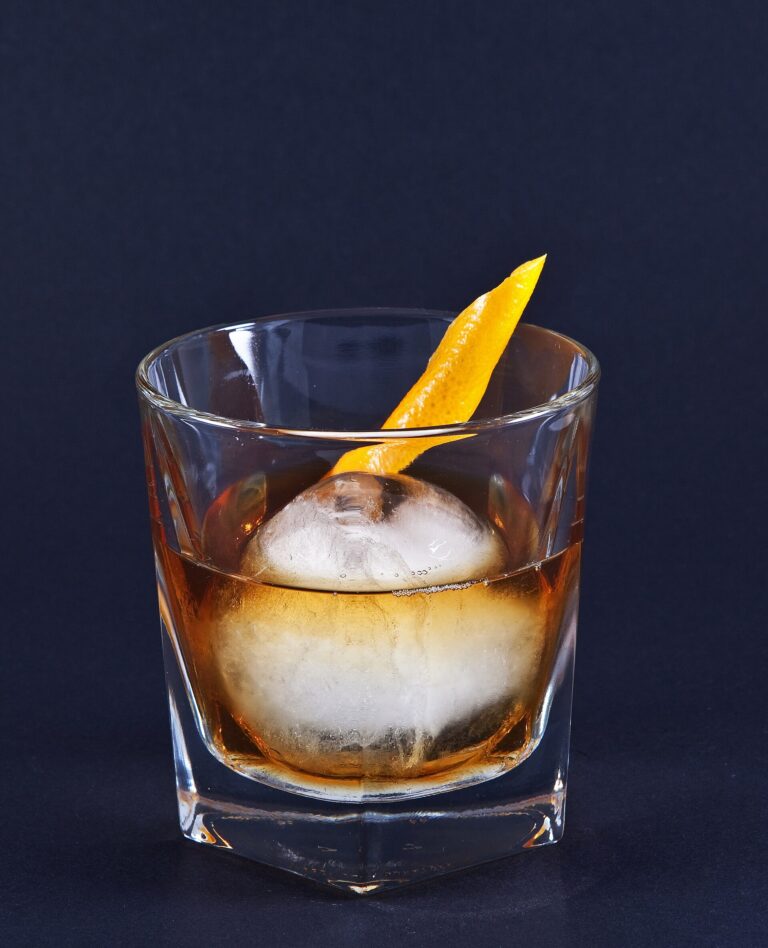
An oak-matured distillate of fruit other than grapes or apples in this ADI entry. The best organizing principle is the named fruit: plum, pear, cherry and apricot do not share one compulsory flavour profile. Maturation adds a second layer that should be assessed against the fruit's expression.
Color
Pale gold through amber; colour depth depends on cask and treatment.
Maturation
Oak aging defines this entry; no single duration is specified by ADI.
Alcohol
ADI bottling minimum 40%; distillation ceiling 85%.
Sweetness
Commonly dry to sweet-seeming; ripe fruit and oak aromas do not quantify sugar.
Balance
Fruit and wood in varying balance; stone-fruit examples may show kernel-like associations.
History
Aged Fruit Brandy encompasses several regional traditions rather than a single invention. Normandy offers a documented example: Gilles de Gouberville recorded cider distillation in 1553, an early written marker in the history that developed into Calvados. That record establishes distillation, not the first use of every later maturation practice. Other fruit-growing regions developed their own spirits, so Calvados’s chronology cannot stand as a universal birth date for the category. Calvados interprofession: history.
Classic characteristics
Appearance
Pale gold through amber; colour depth depends on cask and treatment.
Aroma
Medium to pronounced; named fruit with vanilla, spice, dried-fruit or nutty development.
Flavor
Fruit and wood in varying balance; stone-fruit examples may show kernel-like associations.
Sweetness
Commonly dry to sweet-seeming; ripe fruit and oak aromas do not quantify sugar.
Mouthfeel
Rounded and warming, sometimes with drying wood grip.
Finish
Medium to long in expressive examples; fruit may evolve toward spice or mature notes.
Flavor Profile Deep Dive
Assess fruit identity through oak; neither darker color nor stronger tannin proves better maturation. Investigate persistent solvent-like pungency, unpleasant stale character or wood astringency that overwhelms the intended expression. A descriptor alone cannot prove a distillation-cut error, additive use or chemical safety.
Service notes
Prefer a matched unaged/aged pair from one producer when available. Ask whether the cask has added useful detail while leaving the fruit identifiable. A powerful oak impression is not automatically evidence of maturity or quality. For consumers, name the fruit first, then describe how aging changes the drinking experience. In cocktails, consider both the fruit aroma and tannic structure before substituting it for an aged grape brandy.
Style parameters
| Parameter | Boundary or expectation |
|---|---|
| Base material | Fermented fruit; identify species |
| Bottled strength | ADI bottling minimum 40%; distillation ceiling 85%. |
| United States: bottled ABV | at least 40%; Ordinary brandy identity; protected-origin specifications also apply. |
| Color and clarity | Pale gold through amber; colour depth depends on cask and treatment. |
| Maturation | Oak aging defines this entry; no single duration is specified by ADI. |
| Additions | Verify actual treatment and origin rules; do not infer composition from colour alone. |
Legal limits apply only to the named jurisdiction and identity. ADI entry conditions and typical sensory expectations are separate; a product example is not a universal range.
Cocktail connections
Browse published cocktails. Documented recipes, conditional style choices and development substitutions are labeled separately.
No established classic or recognized modern cocktail match was found for this specific style in the sources reviewed. This records a research gap, not proof that no cocktail exists. No neighboring style has been substituted to fill the space.
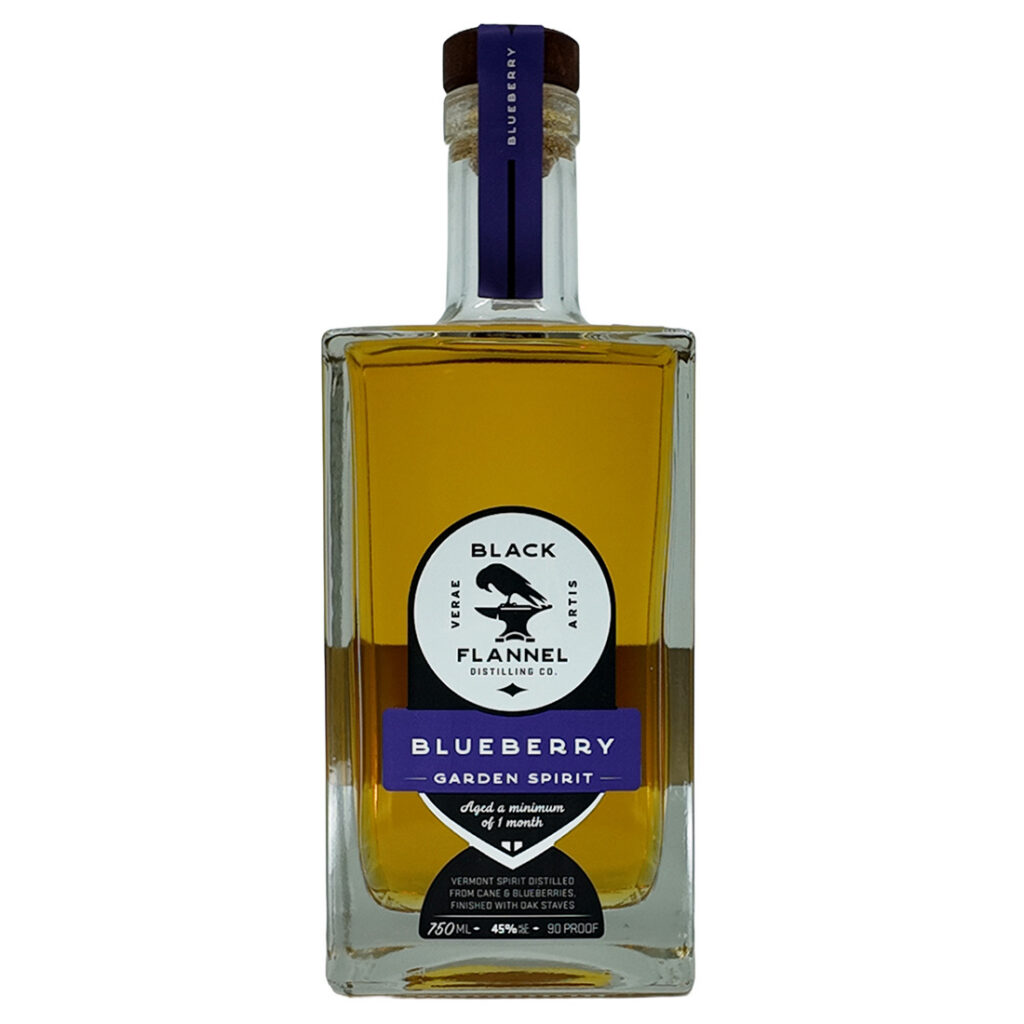
Make Cocktails with Blueberry Garden Spirit and Cranberry Garden Spirit
Style comparison
Compare with unaged fruit brandy for the influence of wood, and with flavored brandy for the origin of the fruit character. A plum aroma in a grape-based flavored drink is a different identity from fermented-and-distilled plum. Protected regional names may impose additional requirements beyond this broad category.
Related styles: Unaged Fruit Brandy (S047) · Aged Grape Brandy (S034).
Ingredients
Fermented fruit; identify species
Production notes
Fermented fruit juice, mash or wine is distilled and aged in oak within ADI's specified production boundary. This is not simply grape brandy flavored with another fruit. Variety, ripeness, fermentation and distillation influence the original spirit; cask history and duration influence its later development. Record both sets of information when available.
Commercial examples
No newly verified benchmark is designated in this revision. The original example discussion below remains a research lead, with its original qualifications.
Retained example and source context. Rudolf Jelínek's producer catalogue includes gold plum-brandy expressions. ADI supplies the specific entry boundary; the U.S. brandy strength requirements and the U.S. fruit-brandy naming rule provide U.S. context.
Photo credit
Placeholder image: Black Flannel Agave Dream Blanco. Shown for illustration; it does not depict this spirit style.
Keep exploring
- 27 CFR 5.145 — evidence reviewed 2026-09-17.