
Contemporary Gin
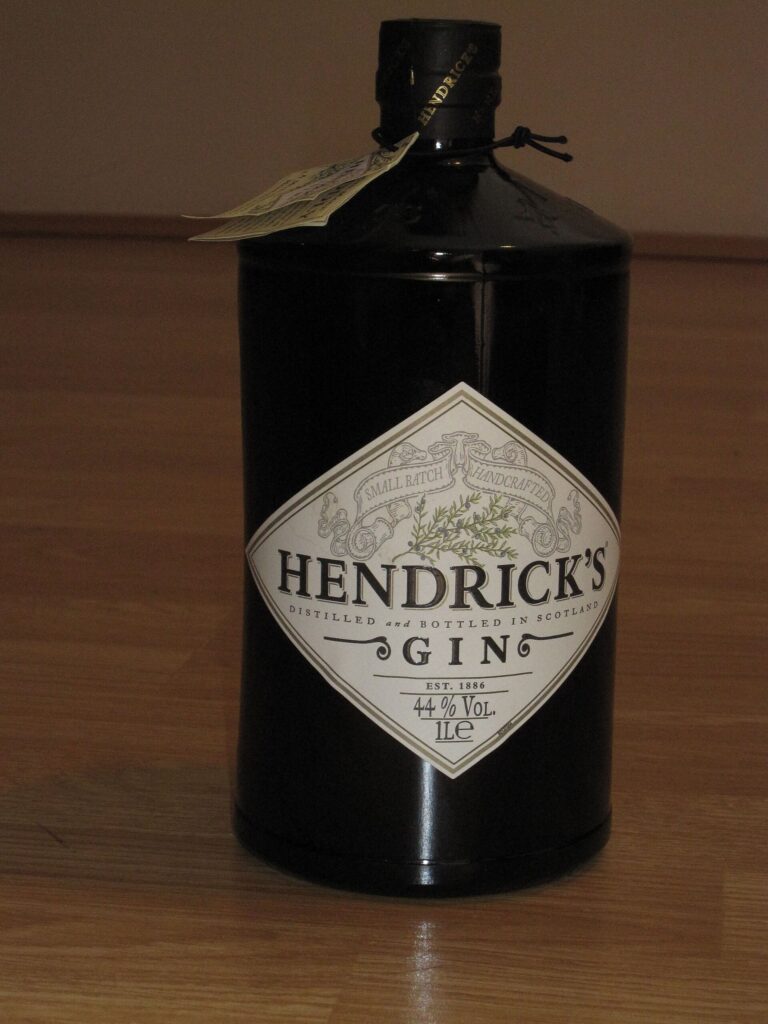
A gin style in which botanicals beyond juniper receive conspicuous attention. Citrus, flowers, herbs or spices may lead the first impression. The range is intentionally broad, and a contemporary profile need not be sweet, coloured or weak in flavour.
Color
Maturation
Alcohol
Sweetness
Balance
History
Contemporary Gin is a modern way of grouping products that give botanicals other than juniper a prominent sensory role. Hendrick’s provides a documented commercial milestone: its 1999 creation under Lesley Gracie and Charles Gordon made rose and cucumber central to a distinctive gin identity. The brand is an example of the movement, not proof that the whole competition category was invented at one distillery or on that date. Hendrick’s: creation of the brand in 1999.
Classic characteristics
Appearance
Usually colourless when distilled and unaged; other presentations require explanation.
Aroma
Medium to pronounced; citrus, floral, herbal or spice notes share or take the sensory lead.
Flavor
A deliberate botanical arrangement with juniper present in the overall gin identity.
Sweetness
Often dry; floral or sweet-spice aromas do not prove sugar addition.
Mouthfeel
Light through rounded or oily; botanical oils can provide weight.
Finish
Variable length; evaluate how the leading botanicals and juniper resolve together.
Flavor Profile Deep Dive
Assess botanical coherence while respecting the product's lawful gin identity; novelty alone earns no extra points. Investigate persistent unpleasant solvent-like, stale or sulfurous character in context. Do not diagnose a specific production error from one aroma; appropriate fermentation character and proof-related warmth are not automatic faults.
Service notes
Compare a contemporary expression with a classic benchmark at similar strength. Identify which aroma leads, whether juniper remains recognizable and how the finish changes. Avoid describing an unfamiliar botanical as a fault simply because it is not traditional. For guests, state the actual leading character—floral, citrus-led or herbal—rather than relying on “modern.” In mixed drinks, test garnish and mixer choices because they can reinforce or overwhelm the botanical arrangement.
Style parameters
| Parameter | Boundary or expectation |
|---|---|
| Base material | Agricultural spirit with juniper and other botanicals |
| Bottled strength | U.S. ordinary gin at least 40% ABV; EU gin at least 37.5% apply; contemporary is not a lower-strength exemption. |
| United States: bottled ABV | at least 40%; see identity requirements. |
| European Union: bottled ABV | at least 37.5%; see identity requirements. |
| Color and clarity | Usually colourless when distilled and unaged; other presentations require explanation. |
| Maturation | Usually unaged in the reference profile, with overlapping aged examples possible. |
| Additions | Determine actual method and legal designation; unconventional botanicals are not inherently flavor additives. |
Legal limits apply only to the named jurisdiction and identity. ADI entry conditions and typical sensory expectations are separate; a product example is not a universal range.
Cocktail connections
Style comparison
Contemporary differs from classic chiefly in the arrangement of botanical emphasis. Signature Botanical Gin is a narrower ADI grouping when a small named set is intentionally highlighted. Flavored Gin instead raises a formulation and labeling distinction. These boundaries can overlap and should not be invented as perfectly separate sensory boxes.
Ingredients
Agricultural spirit with juniper and other botanicals
Production notes
ADI includes New Western and American Dry terminology within this sensory grouping. These are not universal statutory categories. The shared legal reconciliation is important: ADI's non-juniper emphasis does not waive the applicable gin identity requirements. Botanical selection and extraction method should be documented rather than guessed from the modern branding or geographical origin.
Commercial examples
Retained example and source context. Aviation's botanical account documents a recipe including lavender, sarsaparilla, cardamom and orange peel. Its use here illustrates botanical breadth; the category placement is editorial rather than a claim of ADI certification.
Photo credit
Hendrick’s gin. Photo: User:Lennert B / Wikimedia Commons. CC BY 3.0. Display resized; no other edits.

Keep exploring
- EU Regulation 2019/787 — evidence reviewed 2026-09-17.
- 27 CFR 5.144 — evidence reviewed 2026-09-17.