
Signature Botanical Gin
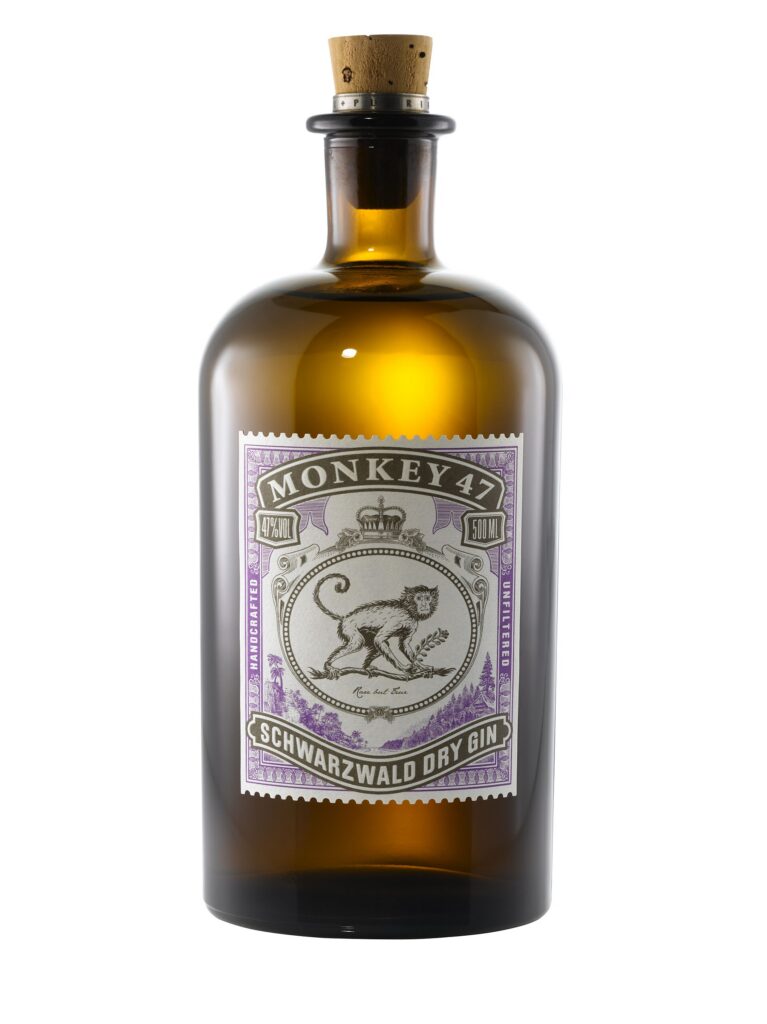
A gin organized around a small, deliberately highlighted set of botanicals beyond juniper. The signature may be floral, herbal, citrus-led or spicy. The useful question is whether that leading identity is clear and integrated, not whether every ingredient can be named blind.
Color
Maturation
Alcohol
Sweetness
Balance
History
Signature Botanical Gin is a judging category rather than a single historical school. Hendrick’s 1999 development, with rose and cucumber as recognizable signatures, illustrates the modern commercial emphasis on identifiable botanicals beyond juniper. It is a relevant historical comparison, not a ruling on that brand’s ADI eligibility. Different producers may arrive at signature botanicals through local ingredients, recipe design or branding, so a shared invention date is not established. Hendrick’s: creation of the brand in 1999.
Classic characteristics
Appearance
Usually clear and colourless when unaged; documented treatment may change this.
Aroma
Featured botanical or small botanical group clearly recognizable in the intended presentation.
Flavor
Signature flavor supported by the wider recipe and underlying gin character.
Sweetness
Commonly dry to sweet-seeming; botanical focus does not specify sugar.
Mouthfeel
Light through rounded or oily, depending on extraction and formulation.
Finish
Variable; assess whether the signature remains distinct without becoming one-dimensional or harsh.
Flavor Profile Deep Dive
Assess the named botanical's clarity within the whole recipe; do not infer production technique from a single aroma. Investigate persistent unpleasant solvent-like, stale or sulfurous character in context. Do not diagnose a specific production error from one aroma; appropriate fermentation character and proof-related warmth are not automatic faults.
Service notes
Taste without garnish first and identify the leading aromatic family. Then add the suggested garnish and discuss whether it amplifies the bottle or introduces a new aroma. This is useful for staff who otherwise attribute every scent above a glass to the gin itself. For consumers, name the documented signature botanicals and describe how they appear, while keeping the rest of the recipe in proportion.
Style parameters
| Parameter | Boundary or expectation |
|---|---|
| Base material | Agricultural spirit with juniper and other botanicals |
| Bottled strength | U.S. ordinary gin at least 40% ABV; EU gin at least 37.5% and market identity requirements remain relevant. |
| United States: bottled ABV | at least 40%; see identity requirements. |
| European Union: bottled ABV | at least 37.5%; see identity requirements. |
| Color and clarity | Usually clear and colourless when unaged; documented treatment may change this. |
| Maturation | Optional; any wood influence should be explained alongside the botanical focus. |
| Additions | Verify distillation, infusion or other treatment; a featured ingredient does not reveal method. |
Legal limits apply only to the named jurisdiction and identity. ADI entry conditions and typical sensory expectations are separate; a product example is not a universal range.
Cocktail connections
Browse published cocktails. Documented recipes, conditional style choices and development substitutions are labeled separately.
No established classic or recognized modern cocktail match was found for this specific style in the sources reviewed. This records a research gap, not proof that no cocktail exists. No neighboring style has been substituted to fill the space.
Style comparison
Contemporary Gin is the broader sensory family. Signature Botanical Gin narrows the discussion to a small intentional focus, such as a named flower and vegetable combination. Flavored Gin may overlap in ordinary language, but its regulatory classification must be established separately. A garnish placed beside the drink does not prove that the ingredient is in the bottle.
Ingredients
Agricultural spirit with juniper and other botanicals
Production notes
ADI specifies a few featured botanicals with juniper in a secondary sensory role. This creates the same legal tension discussed in the shared gin note: a competition emphasis is not permission to disregard statutory gin identity. A producer's declared botanical focus establishes the editorial placement more reliably than a taster's isolated aroma guess.
Commercial examples
No newly verified benchmark is designated in this revision. The original example discussion below remains a research lead, with its original qualifications.
Retained example and source context. Hendrick's Original documents rose and cucumber alongside its distilled botanical recipe. Placement here is an editorial illustration of ADI's category, not a claim about official competition entry or an exemption from gin law.
Photo credit
Monkey 47 Schwarzwald Dry Gin. Photo: Grossmatthias1234 / Wikimedia Commons. CC BY-SA 4.0. Display resized; no other edits.

Keep exploring
- EU Regulation 2019/787 — evidence reviewed 2026-09-17.
- 27 CFR 5.144 — evidence reviewed 2026-09-17.