
Flavored Gin
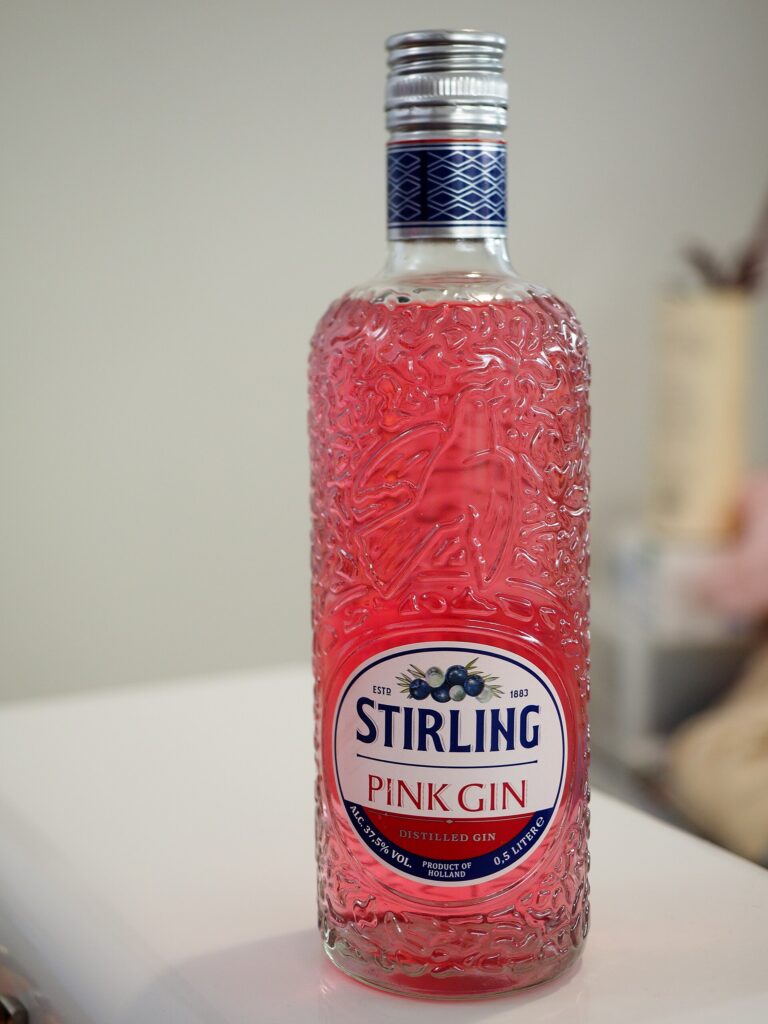
Gin presented with a deliberate additional named flavor, commonly fruit but potentially another botanical direction. The added flavor can be dominant while gin provides structure underneath. Sweetness, colour and strength vary substantially, so the category needs a conditional matrix.
Color
Maturation
Alcohol
Sweetness
Balance
History
Flavored gin overlaps historically with fruit-infused and sweetened gin preparations documented in nineteenth-century cordial recipes. The category’s later commercial forms do not all preserve the same sweetness or production method. Its history is consequently a continuation and diversification of flavoring practices, rather than a single recent invention. Historical gin cordial is relevant background, but should not be used to classify every modern flavored gin as a liqueur. Matador: interviews with gin historians on gin cordial.
Classic characteristics
Appearance
Colourless through strongly coloured; appearance follows ingredients and treatment.
Aroma
Named flavor commonly leads, with juniper, citrus or spice underneath.
Flavor
Added fruit or botanical flavour plus variable gin character.
Sweetness
Dry through sweet; colour and fruit aroma cannot determine the level.
Mouthfeel
Light through rounded or viscous, according to formulation.
Finish
Variable length; assess flavor integration, bitterness and sweetness together.
Flavor Profile Deep Dive
Evaluate the declared added flavor and gin identity; distinguish liqueur-level presentation where relevant. Investigate stale ingredients, an unpleasant solvent-like edge, or sweetness/bitterness that overwhelms the declared flavor. Intentional color or sweetening is not itself a defect.
Service notes
Ask staff to read the full label and identify what the flavor name actually establishes. It may not prove the use of fresh fruit juice or a specific extraction method. Taste for sweetness and acidity separately; a citrus aroma can be strong even when acidity is low. In a Gin and Tonic, first use a neutral garnish so that the bottle's own character can be assessed. For guests, name the flavor and actual sweetness rather than assuming all pink or fruit-associated gins are sugary.
Style parameters
| Parameter | Boundary or expectation |
|---|---|
| Base material | Agricultural spirit with juniper and other botanicals |
| Bottled strength | U.S. flavored-spirit minimum of 30% ABV applies where that class is used. |
| United States: bottled ABV | at least 30%; Only products qualifying as flavored spirits under 5.151; not every ADI entrant. |
| Color and clarity | Colourless through strongly coloured; appearance follows ingredients and treatment. |
| Maturation | Not inherent; any wood treatment belongs to the documented product. |
| Additions | Flavoring is central; verify sweeteners, colour and other ingredients when relevant. |
Legal limits apply only to the named jurisdiction and identity. ADI entry conditions and typical sensory expectations are separate; a product example is not a universal range.
Cocktail connections
Style comparison
A gin naturally smelling of citrus from its distilled recipe is not necessarily a separately designated flavored gin. Contemporary and Signature Botanical Gin organize sensory emphasis, whereas this row follows a flavored-product boundary. Sloe gin and other gin-based liqueurs can overlap conversationally but should retain their accurate legal descriptions.
Ingredients
Agricultural spirit with juniper and other botanicals
Production notes
ADI points to U.S. flavored-spirit rules. A qualifying base gin is flavored and labeled accordingly; products outside that class may instead be liqueurs or specialties. The distinction is not merely that gin contains botanicals—all gin does. It is the finished flavored presentation and applicable identity that matter.
Commercial examples
No newly verified benchmark is designated in this revision. The original example discussion below remains a research lead, with its original qualifications.
Retained example and source context. Beefeater's production explanation distinguishes its classic gin from expressions with added natural flavorings. Shared flavored-spirit rules and ADI's definition establish the classification context; the examples do not impose a universal recipe or strength.
Photo credit
Stirling Pink Gin. Photo: JIP / Wikimedia Commons. CC BY-SA 4.0. Display resized; no other edits.

Keep exploring
- 27 CFR 5.151 — evidence reviewed 2026-09-17.