
Pisco Chileno
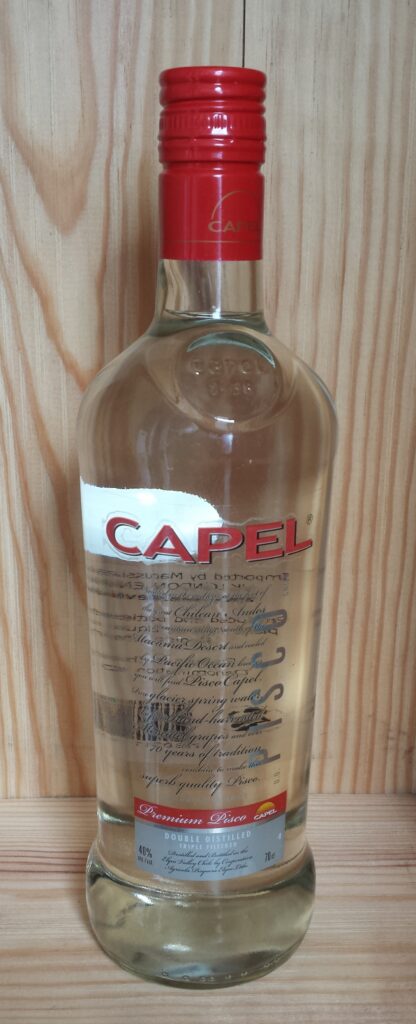
A protected Chilean grape spirit that can range from bright, floral and citrus-led to rounded and wood-influenced. Aromatic grape varieties often provide an expressive nose, but maturation and producer choices create substantial variation. It should not be treated as identical to Peruvian pisco.
Color
Maturation
Alcohol
Sweetness
Balance
History
Chilean pisco’s commercial history includes nineteenth-century producers and labeled products documented by the national trade association. A decisive institutional milestone followed in 1931, when Chile established protection for the pisco denomination. This chronology supports a Chilean production and naming history without resolving competing national claims by declaring a universal inventor. The historical meaning of the name and the later legal protection should be kept distinct. Pisco Chile: historical chronology.
Classic characteristics
Appearance
Colourless in untreated expressions; gold or amber where wood contributes colour.
Aroma
Medium to pronounced; flowers, grape, citrus peel and optional vanilla or spice.
Flavor
Aromatic fruit and floral character, sometimes supported by oak.
Sweetness
Generally dry to sweet-seeming; Chile limits sugar to 5 g/L in the cited rule.
Mouthfeel
Light through rounded, with warmth varying by strength category.
Finish
Medium or longer in expressive examples; floral, citrus or wood notes can persist.
Flavor Profile Deep Dive
Assess the declared Chilean type and treatment; a strength classification is not an age statement. Investigate persistent unpleasant solvent-like, stale or sulfurous character in context. Do not diagnose a specific production error from one aroma; appropriate fermentation character and proof-related warmth are not automatic faults.
Service notes
Compare clear and wood-treated Chilean expressions before making a country-to-country comparison. Identify grape aroma separately from barrel contribution. Ask staff to explain Reservado without calling it a guaranteed age statement. For guests, name Chile and the actual flavour of the bottle. In a Pisco Sour, keep the first recipe consistent and adjust only after assessing aromatic intensity, sweetness and strength.
Style parameters
| Parameter | Boundary or expectation |
|---|---|
| Base material | Authorized Chilean wine grapes |
| Bottled strength | Chilean minima: Tradicional 30%, Especial 35%, Reservado 40%, Gran Pisco 43%; U.S. The U.S. brandy strength requirements. |
| Chile: bottled ABV | at least 30%; see identity requirements. |
| United States: bottled ABV | at least 40%; Ordinary brandy identity; protected-origin specifications also apply. |
| Color and clarity | Colourless in untreated expressions; gold or amber where wood contributes colour. |
| Maturation | Verify actual resting or wood treatment; strength terms do not establish age. |
| Additions | Follow Chilean rules and product documentation; do not import Peru's rules wholesale. |
Legal limits apply only to the named jurisdiction and identity. ADI entry conditions and typical sensory expectations are separate; a product example is not a universal range.
Cocktail connections
Style comparison
Chilean and Peruvian pisco have distinct national specifications. A Chilean example may be wood-treated, while Peruvian pisco's neutral-vessel requirement leads to a different boundary. A floral nose can occur in both, so sensory resemblance does not settle provenance. U.S. rules recognize pisco from either country under its respective laws.
Ingredients
Authorized Chilean wine grapes
Production notes
Chile's denomination concerns specified production in Atacama and Coquimbo using authorized grape varieties. Discontinuous distillation is prescribed. Chilean categories distinguish minimum bottling strengths, and wood-treated expressions are possible. The legal term Reservado refers to strength classification rather than automatically establishing an oak-age minimum.
Commercial examples
Retained example and source context. El Gobernador documents a 40% floral/citrus expression. Chilean Decreto 521, current strength provisions; U.S. The protected-brandy origin provisions.
Photo credit
Capel pisco from Chile. Photo: Dominic Lockyer / Wikimedia Commons. CC BY 2.0. Display resized; no other edits.

Keep exploring
- Chile Decreto 521 — evidence reviewed 2026-09-17.
- 27 CFR 5.145 — evidence reviewed 2026-09-17.