
Pisco Sour
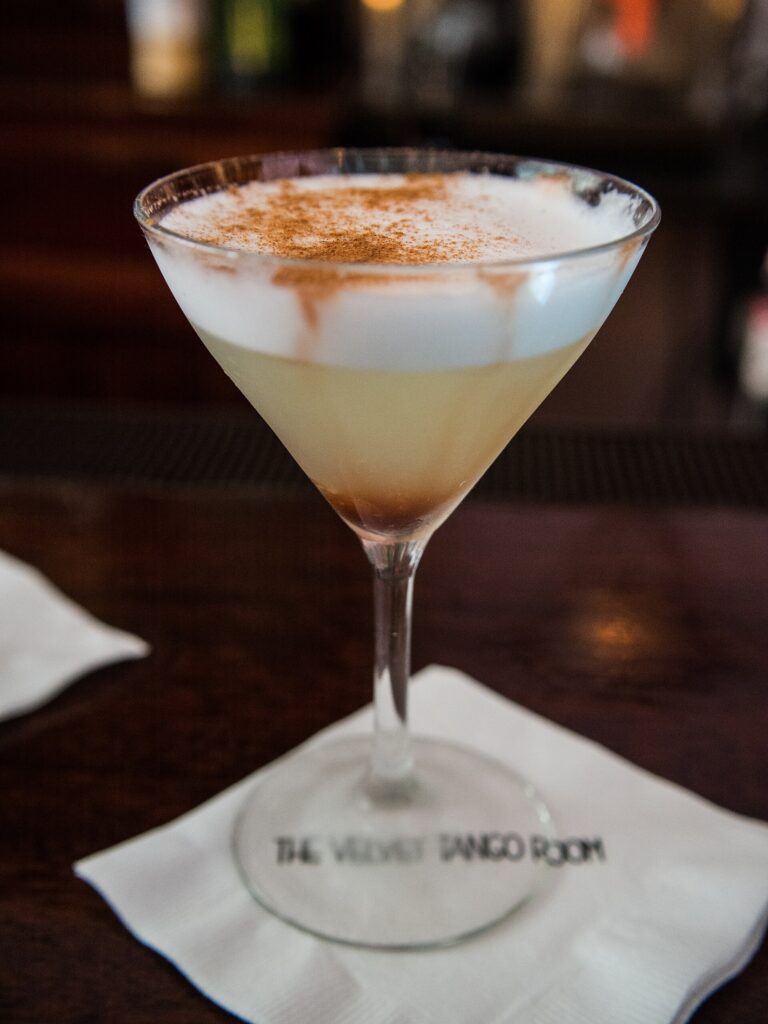

Pisco’s grape-derived aroma sits above lemon and syrup, with egg-white texture and bitters on the foam.
IBA published specification · 1 reference serve.
Glassware
Technique
Ice
Garnish
Preparation effort
Ingredients & measurements
| Ingredient | mL | US fl oz | Source measure / qualification |
|---|---|---|---|
| Pisco | 60 | 2.03 | 60 ml Pisco |
| Fresh Lemon Juice | 30 | 1.01 | 30 ml Fresh Lemon Juice |
| Simple Syrup | 20 | 0.68 | 20 ml Simple Syrup |
| 1 Raw whole Egg White | — | — | 1 Raw whole Egg White |
| Few dashes Amargo bitters (garnish) | — | — | Few dashes Amargo bitters (garnish) |
Converted equivalents are rounded for display; use one measurement system consistently. Dashes, spoonfuls, fruit counts and unspecified top-ups remain source measures. A blank equivalent does not mean zero.
How to make it
Shake pisco, lemon, syrup and pasteurized egg white with ice, then strain into a chilled goblet. Apply the bitters to the foam as garnish.
Glass: Goblet. Ice: None in serving glass. Garnish: A few dashes of aromatic Amargo bitters on the foam.
Flavor & balance
- Sour (Acidic) (dominant): Citrus contributes the principal tart edge; fruit ripeness and juice yield affect balance.
- Sweet (supporting): Sweeteners, fruit or sweetened modifiers round the attack and add weight; product sugar varies.
- Bitter (supporting): Cocktail bitters or coffee contribute a bitter accent; a small dose need not dominate.
Assess sweetness, bitterness and tactile drying separately. These flavor expectations are based on recipe structure, not measured tasting scores. Actual products, ice and dilution will change the result.
Preparation & batching
Service complexity: high. Batchability: spirit components only.
- Measure and label the chosen product specification; chill appropriate glassware.
- Prepare or select the named syrup; record its concentration and follow its storage instructions.
- Prepare and measure fresh fruit components for the service plan; do not assume a fruit count guarantees a juice volume.
- Use pasteurized egg ingredients and follow the approved cold-holding and allergen procedure; alcohol is not a sanitizing step.
Finish aeration and texture to order; do not infer a safe storage period from the alcohol content. Workload is an editorial assessment; no labor timing or storage validation is claimed.
Ingredient checks: Egg: present; use pasteurized ingredients under the bar’s approved procedure. These checks are not a complete allergen declaration for every brand or garnish.
Spirit & ingredient choices
Recipe notes & variations
The recipe says pisco without establishing national origin. Peruvian and Chilean products and national versions must be identified explicitly.
For a Black Flannel variation, change one component at a time and record the selected product, proof, sweetener concentration and dilution. Compare it with this reference before naming or publishing the variation.