
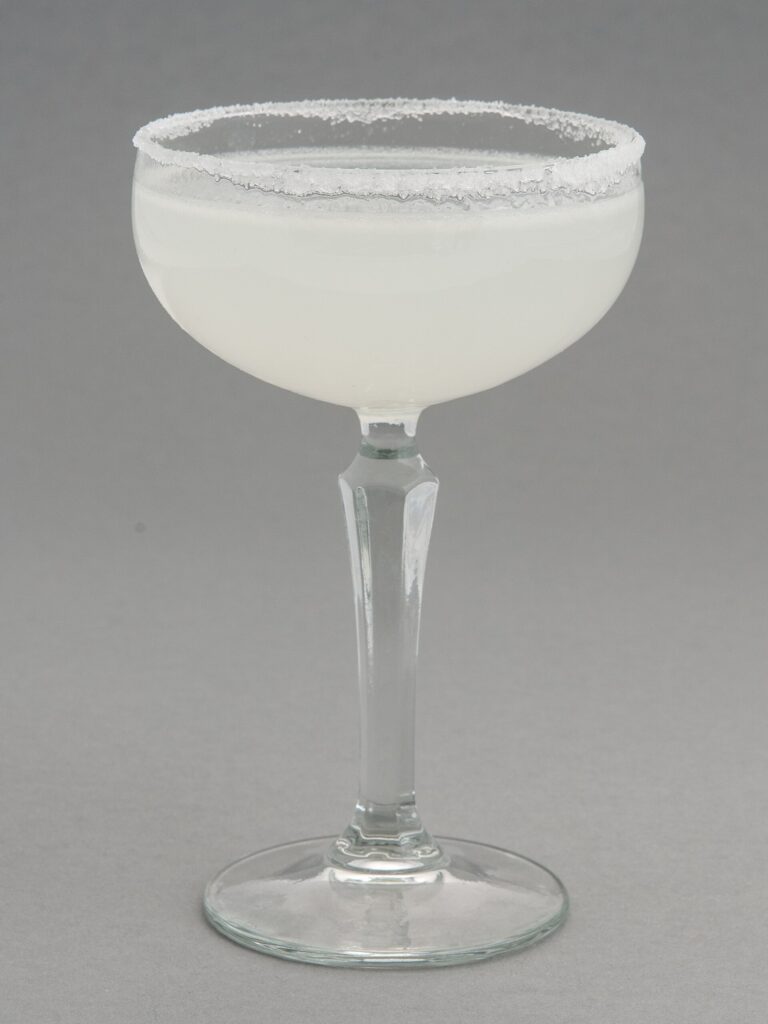
Grand Margarita
Cognac-based orange liqueur supplies a richer modifier to tequila and lime, with a salt rim framing the entry.
Cognac-based orange liqueur supplies a richer modifier to tequila and lime, with a salt rim framing the entry.
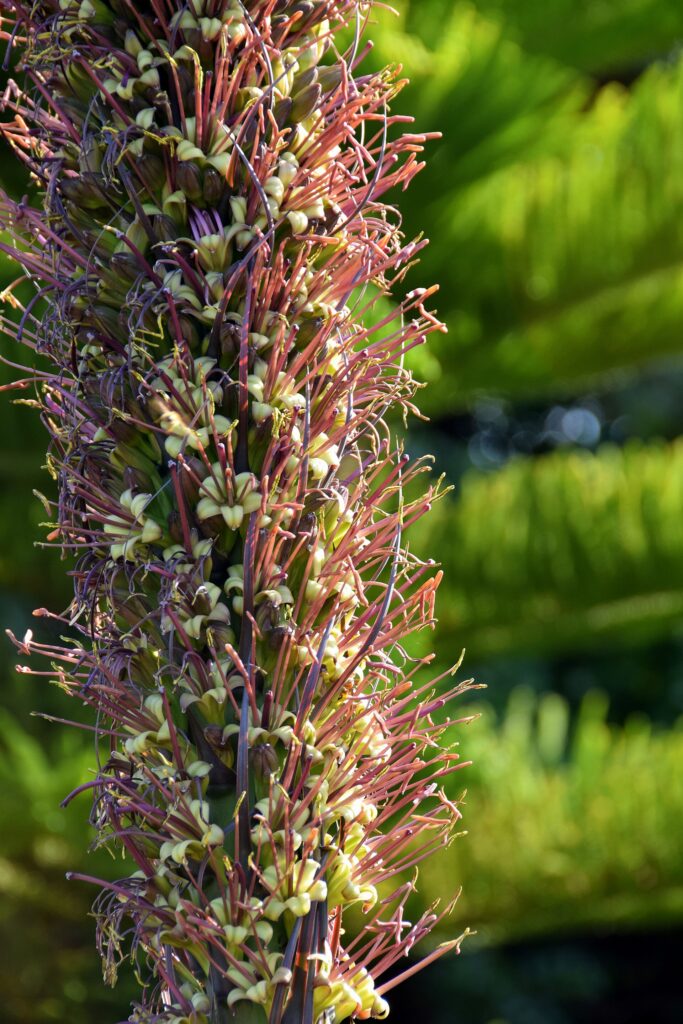
Tequila presented with a deliberate additional flavor. Successful examples make their intended flavor easy to recognize while maintaining a coherent balance among agave, sweetness, alcohol and any spice or bitterness. This is a formulation family, not one narrow aromatic style.
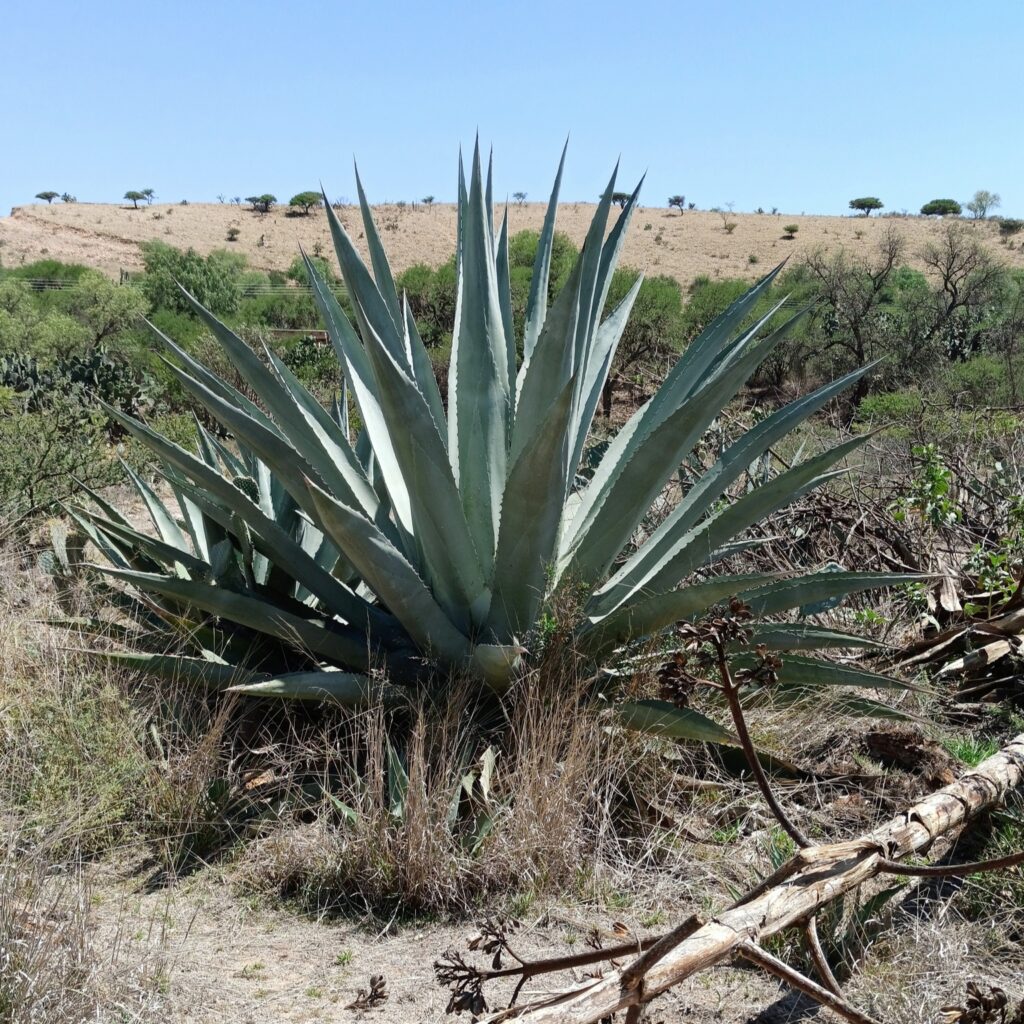
An agave-based spirit carrying an intentional additional flavor outside, or more broadly than, a named protected tequila category. Fruit, flowers, herbs and spices can each provide the leading impression. There is no defensible single target colour, sweetness or finish for the entire entry.
Flavored Agave Spirit Read More »

A flavored product built around Bacanora, potentially ranging from an agave-forward infusion to a rich cream preparation. The intended flavor and the nature of the formulation must be established before judging the balance or expecting a particular level of agave expression.
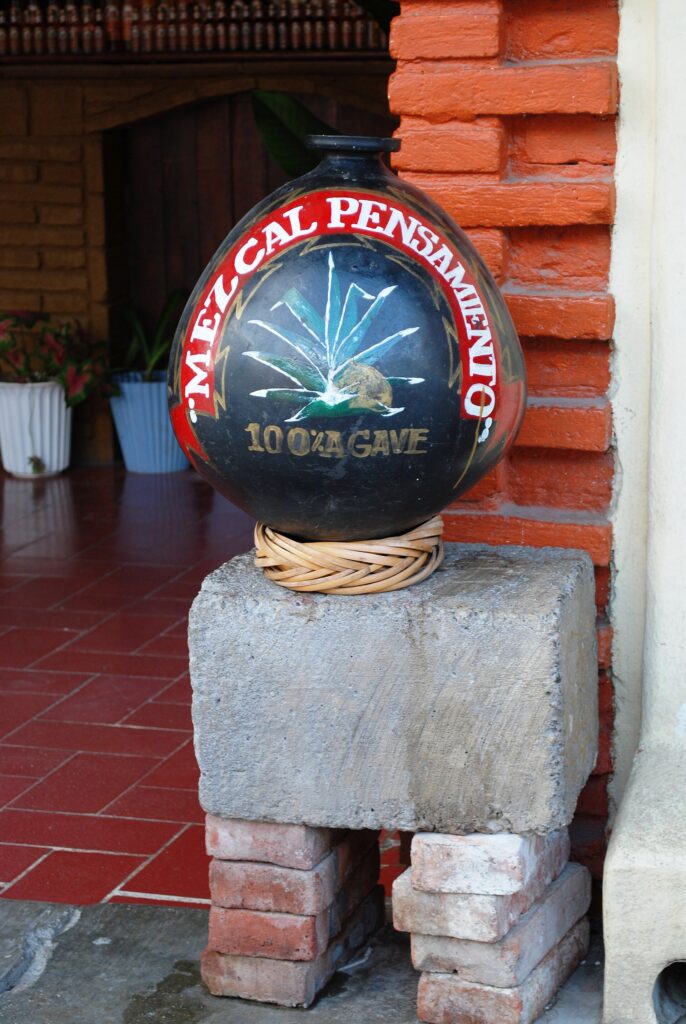
A mezcal production category that can offer vivid agave, fruit, earth and fermentation character. Some examples feel especially textured or layered, but the name should not be taught as a guaranteed level of smoke, rusticity or quality.
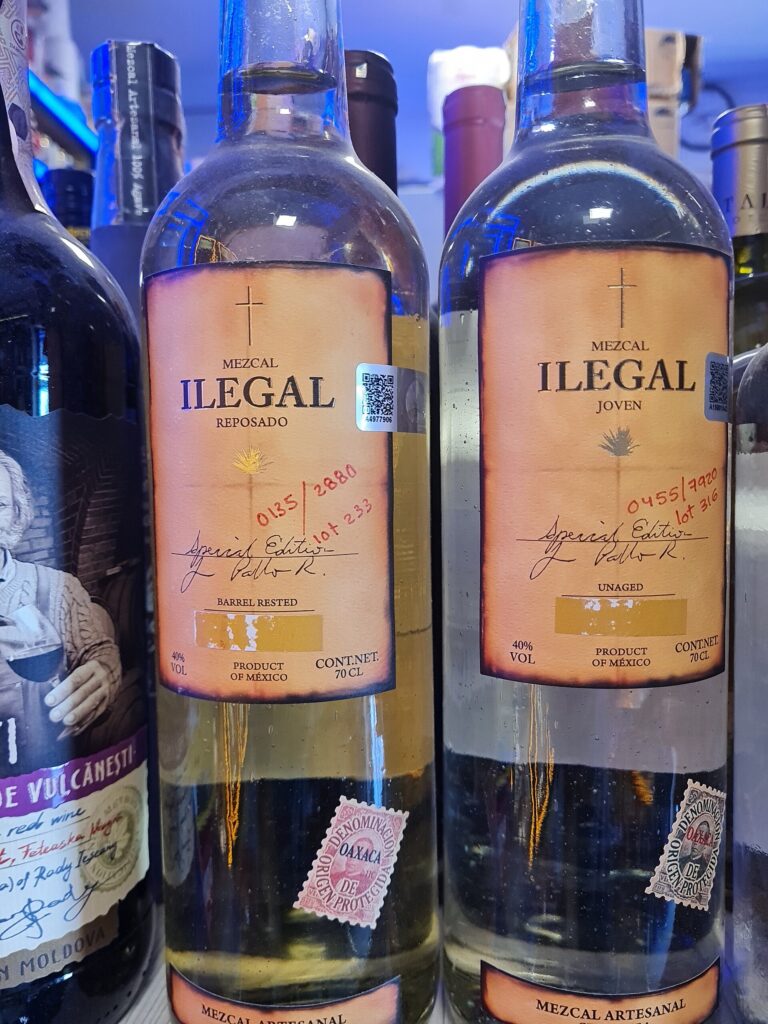
A mezcal category with wide sensory scope: cooked agave, fruit, herbs, earth and smoke can appear in different proportions. A well-described example communicates those proportions rather than relying on “smoky” as a complete tasting note.
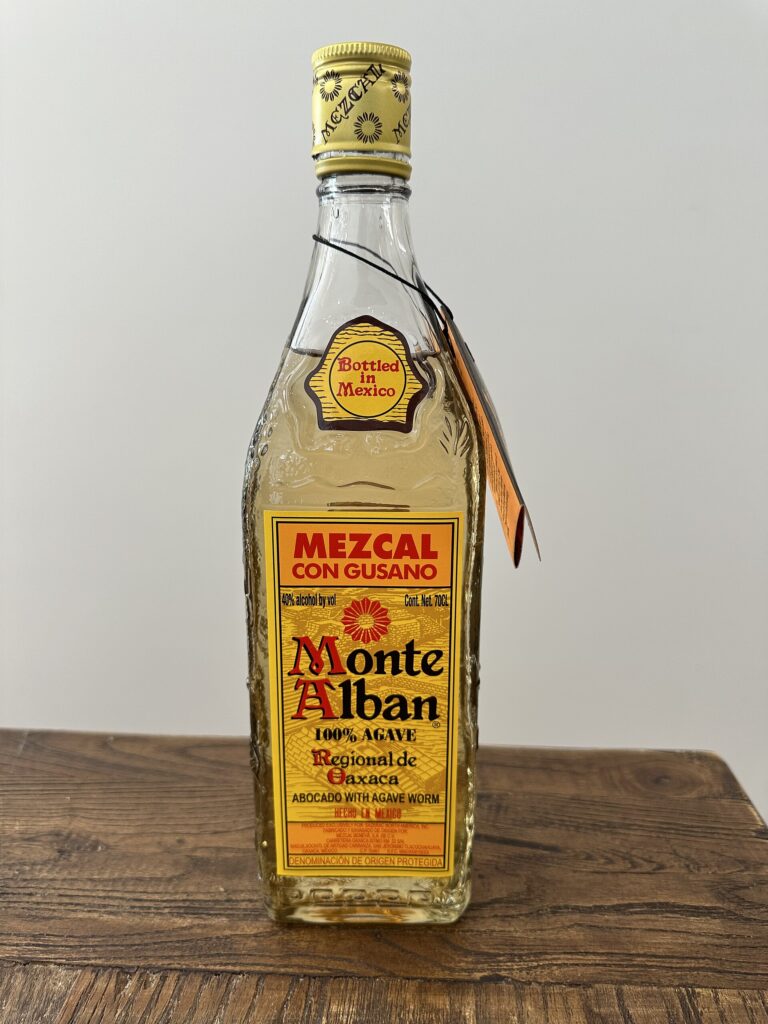
A broad protected agave-spirit identity and, within the Mexican standard, the name of a particular production category. Its sensory scope is too wide for a single smoke, sweetness or texture target. The guide retains this ADI entry without collapsing it into the two separately listed production categories.
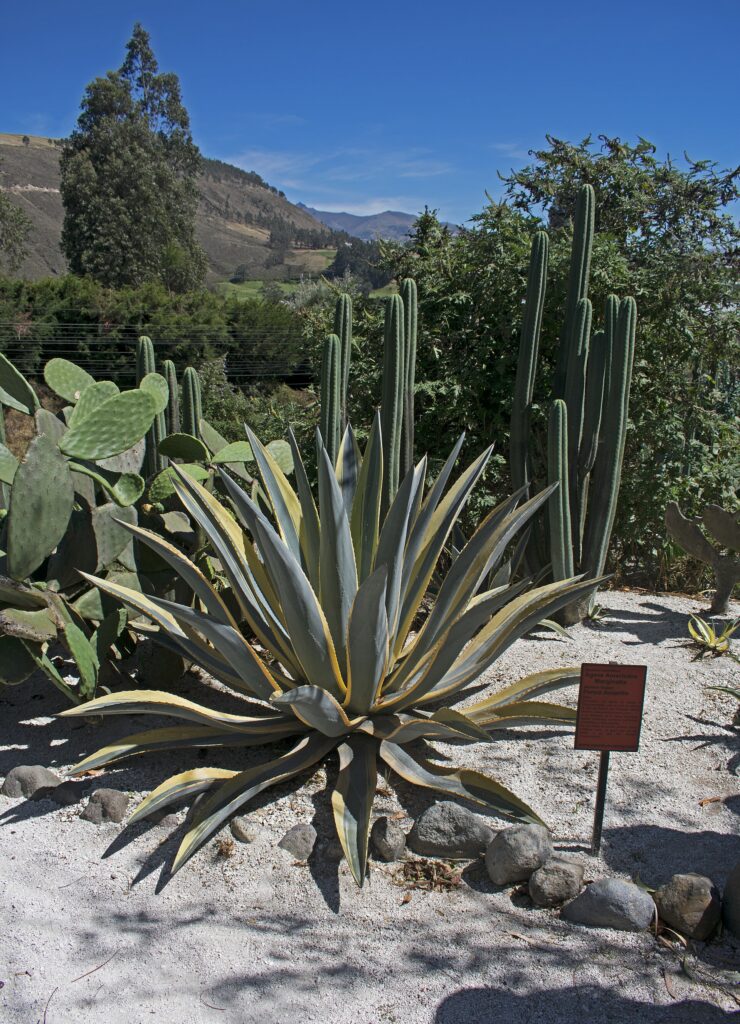
An Ecuadorian agave-sap spirit that can show grassy, plant-derived and gently fruity character, often with a rounded texture. It provides a useful counterpoint to heart-cooked agave distillates and should be presented as a distinct tradition rather than an Ecuadorian version of tequila.
A western Mexican agave spirit with potentially vivid fruit, herbal, earthy and mineral-like impressions. Its range includes substantial differences among producers and regions. Smoke can be present, but it should not be used as the category's defining sensory requirement.
A Chiapan spirit whose identity begins with collected agave sap. It offers an important contrast to spirits made by cooking harvested agave hearts. Its character can be delicate or assertive, and fermentation and maturation choices require more attention than a simple assumption of roasted-agave flavour.