wood

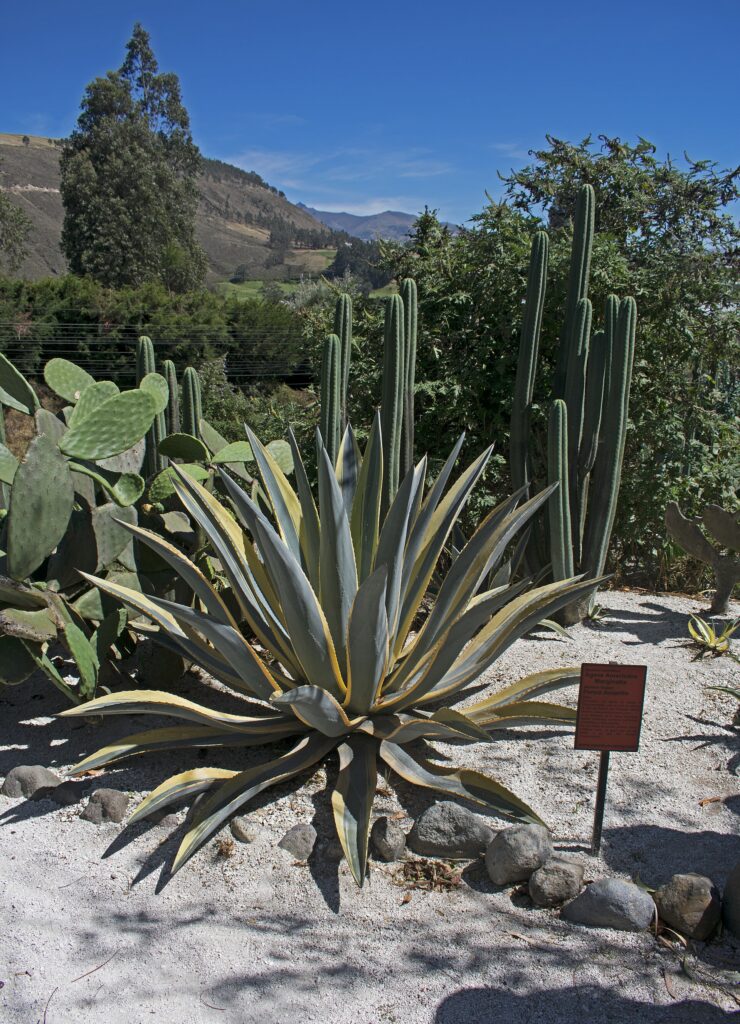
Agave americana at Museo Solar in Cayambe, Ecuador

Miske

An Ecuadorian agave-sap spirit that can show grassy, plant-derived and gently fruity character, often with a rounded texture. It provides a useful counterpoint to heart-cooked agave distillates and should be presented as a distinct tradition rather than an Ecuadorian version of tequila.

Miske Read More »

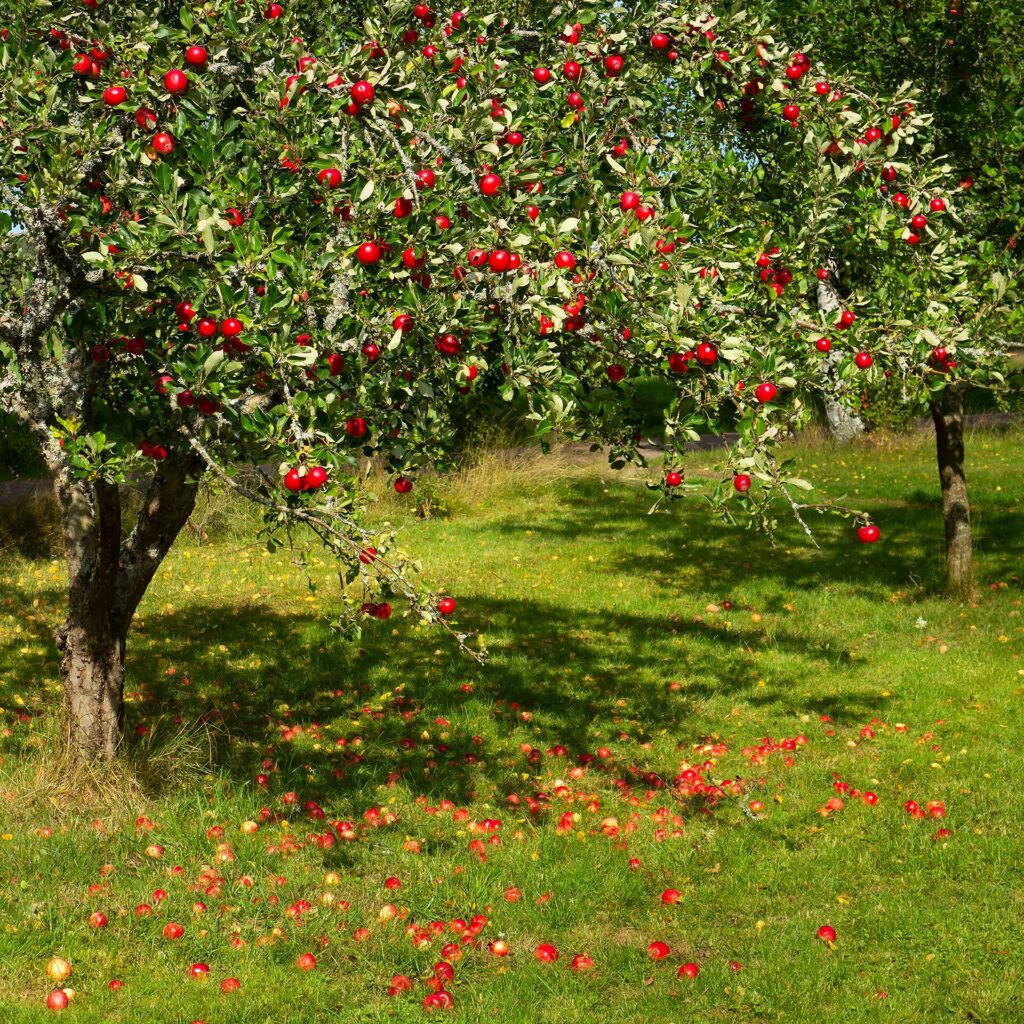
Apples growing in an orchard

Blended Applejack

An apple-brandy blend designed around a lighter or more restrained expression than some all-brandy products. Apple and wood can remain noticeable, but their intensity depends on the actual formulation. The class should be evaluated on balance and intended use rather than automatically ranked below apple brandy.

Blended Applejack Read More »

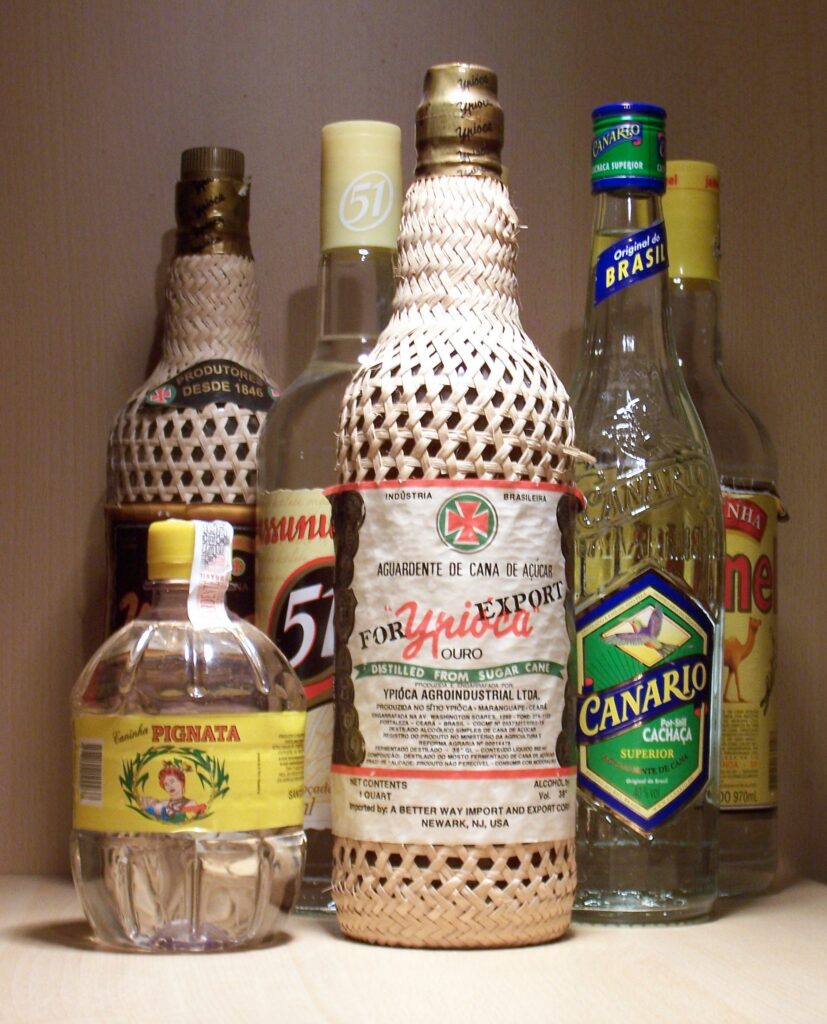
Cachaça bottles

Cachaça

A Brazilian cane-juice spirit with potential fresh grass, flowers, fruit, pepper and earthy complexity. Unaged expressions can be vivid and direct; wood-influenced versions may gain spice, nuts, vanilla or distinctive native-wood aromas. A coherent cane-derived character remains a useful reference across this broad family.

Cachaça Read More »

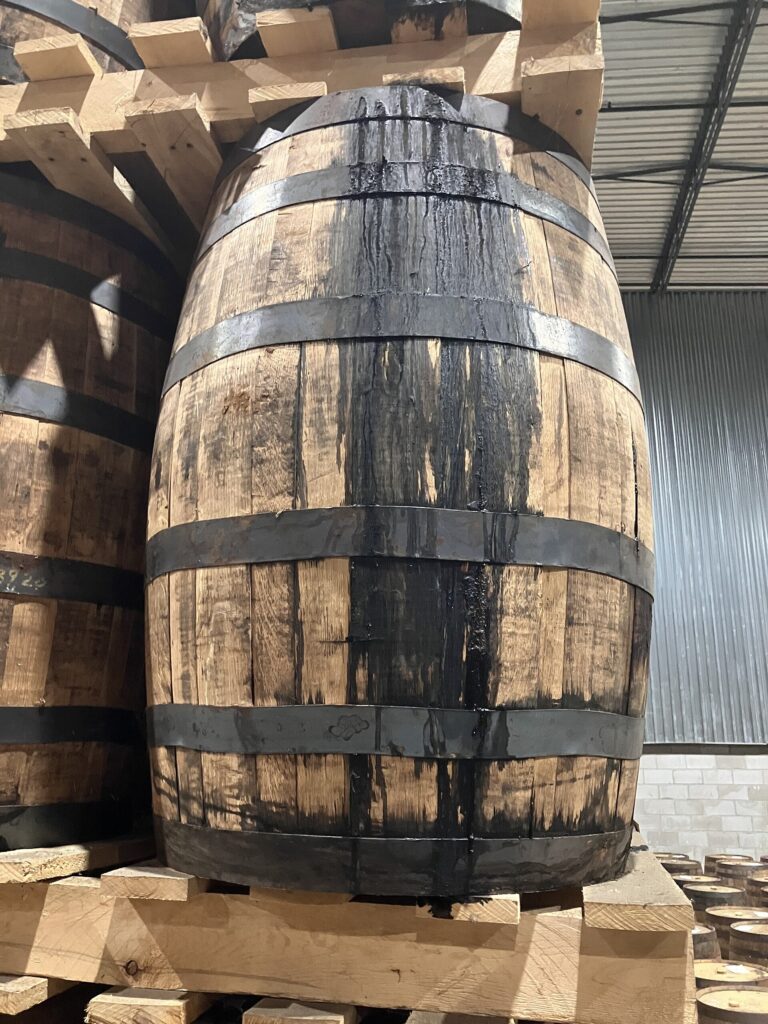
A whiskey aging barrel at Forty Creek; a wood-maturation reference for aged vodka

Aged Vodka

A highly rectified spirit given flavour and colour through contact with a non-neutral wooden barrel. Expect a comparatively restrained base beneath wood-derived vanilla, toast, spice and tannin, with intensity depending on the actual treatment. This is an ADI competition category whose name conflicts with ordinary U.S. vodka labelling rules.

Aged Vodka Read More »

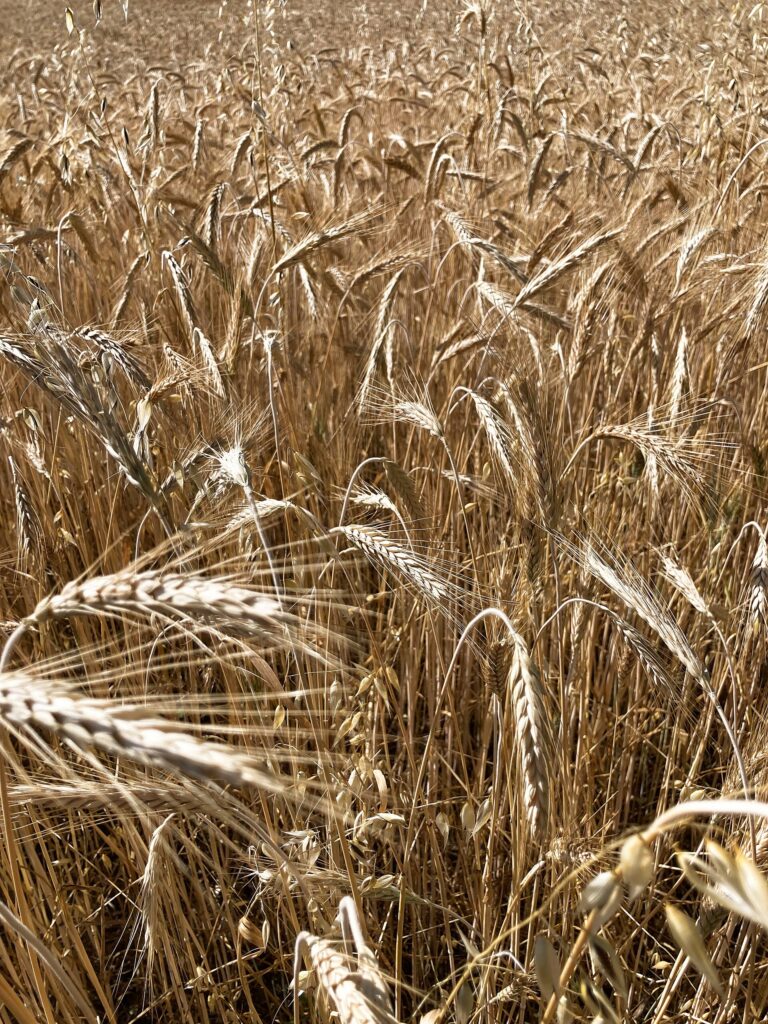
Wheat growing in a field, one grain used in whiskey

Spirit Whiskey

A U.S. mixture in which neutral spirit can substantially outweigh whiskey, producing restrained cereal and wood character with relatively light aromatic intensity. It should taste coherent and clean within that objective. The category name is a precise legal identity, not an interchangeable phrase for all distilled whiskey.

Spirit Whiskey Read More »

Scroll to Top