
Reposado Tequila
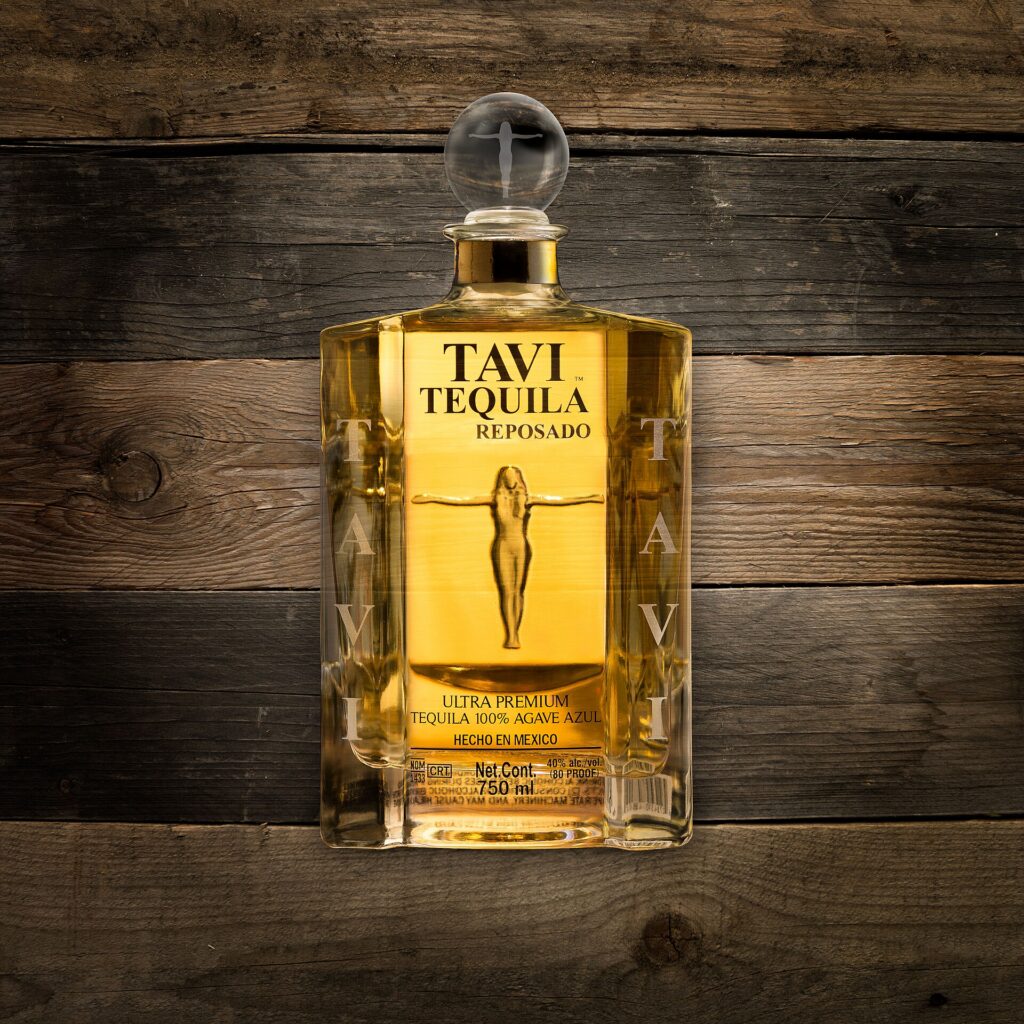
A rested tequila in which the degree of barrel influence can range from a light accent to a substantial part of the flavour. The category is useful for discussing the meeting of base-spirit character and maturation without assuming a fixed recipe.
Color
Maturation
Alcohol
Sweetness
Balance
History
Reposado’s modern identity developed through tequila standardization as well as producers’ use of wood resting. The regulatory chronology separates maturation classes from the two fermentation-source categories formalized in 1976. Consequently, this entry and 100% agave reposado share a historical lineage; the additional ADI heading does not establish a separate invention date. Academia Patrón: tequila standardization timeline.
Classic characteristics
Appearance
Pale gold through amber; inspect clarity and actual colour depth.
Aroma
Light-medium to pronounced; agave and varying wood-associated aromas.
Flavor
Agave with gentle to substantial oak; flavour intensity is product-dependent.
Sweetness
Dry through rounded or sweet-seeming; avoid an assumed sugar value.
Mouthfeel
Light-medium through rounded; warmth and drying grip vary.
Finish
Short-medium through long; follow both plant and cask impressions.
Flavor Profile Deep Dive
Assess wood integration rather than presumed intensity; this heading and S004 share a maturation boundary. Investigate persistent solvent-like pungency, unpleasant stale character or wood astringency that overwhelms the intended expression. A descriptor alone cannot prove a distillation-cut error, additive use or chemical safety.
Service notes
Build a label-reading exercise around the words identifying sugar category and those identifying maturation. Follow it with a paired tasting in which staff describe agave and wood separately. A guest explanation should lead with the observed balance: for example, a brighter agave-led bottle and a more oak-forward bottle may suit different preferences even though both qualify here. For cocktails, taste the finished drink as well as the spirit; a barrel note apparent neat may become subtle once mixed.
Style parameters
Legal limits apply only to the named jurisdiction and identity. ADI entry conditions and typical sensory expectations are separate; a product example is not a universal range.
Cocktail connections
Browse published cocktails. Documented recipes, conditional style choices and development substitutions are labeled separately.
No established classic or recognized modern cocktail match was found for this specific style in the sources reviewed. This records a research gap, not proof that no cocktail exists. No neighboring style has been substituted to fill the space.
Style comparison
Compare with an unaged tequila for the effect of resting and with añejo for the maturation boundary. Neither comparison establishes a rigid ladder of sweetness, body or quality. A reposado can be chosen deliberately for a brighter base-spirit impression rather than regarded as an incomplete añejo. When training staff, keep that product intent visible.
Related styles: 100% Agave Reposado Tequila · Añejo Tequila.
Ingredients
Agave tequilana Weber var. azul; verify declared fermentation category
Production notes
reposado (at least two months in oak) applies. This unqualified ADI row does not supply a different maturation rule from S004. Establish the fermentation category and the particular producer's barrel practice before making more specific claims. As with other overlapping rows, retain the entry for source fidelity while acknowledging its shared sensory territory.
Commercial examples
| Expression | Stated ABV | Source/market review | Eligibility note |
|---|---|---|---|
| Patrón Reposado | 40% | Producer-listed expression; local availability not verified; checked 2026-09-18 | 100% agave expression. ADI headings without “100%” overlap this product; they do not establish mixed-sugar production. |
Retained example and source context. S004 supplies a documented overlapping expression. Cuervo's international range also identifies an Especial Reposado; verify the local bottling before transferring specifications across markets. Legal parameters: shared tequila rules.
Photo credit
Tavi Reposado tequila. Photo: Zmrussell / Wikimedia Commons. CC BY-SA 4.0. Display resized; no other edits.

Keep exploring
- NOM-006-SCFI-2012 — evidence reviewed 2026-09-18.
- 27 CFR 5.148 — evidence reviewed 2026-09-17.