
Añejo Tequila
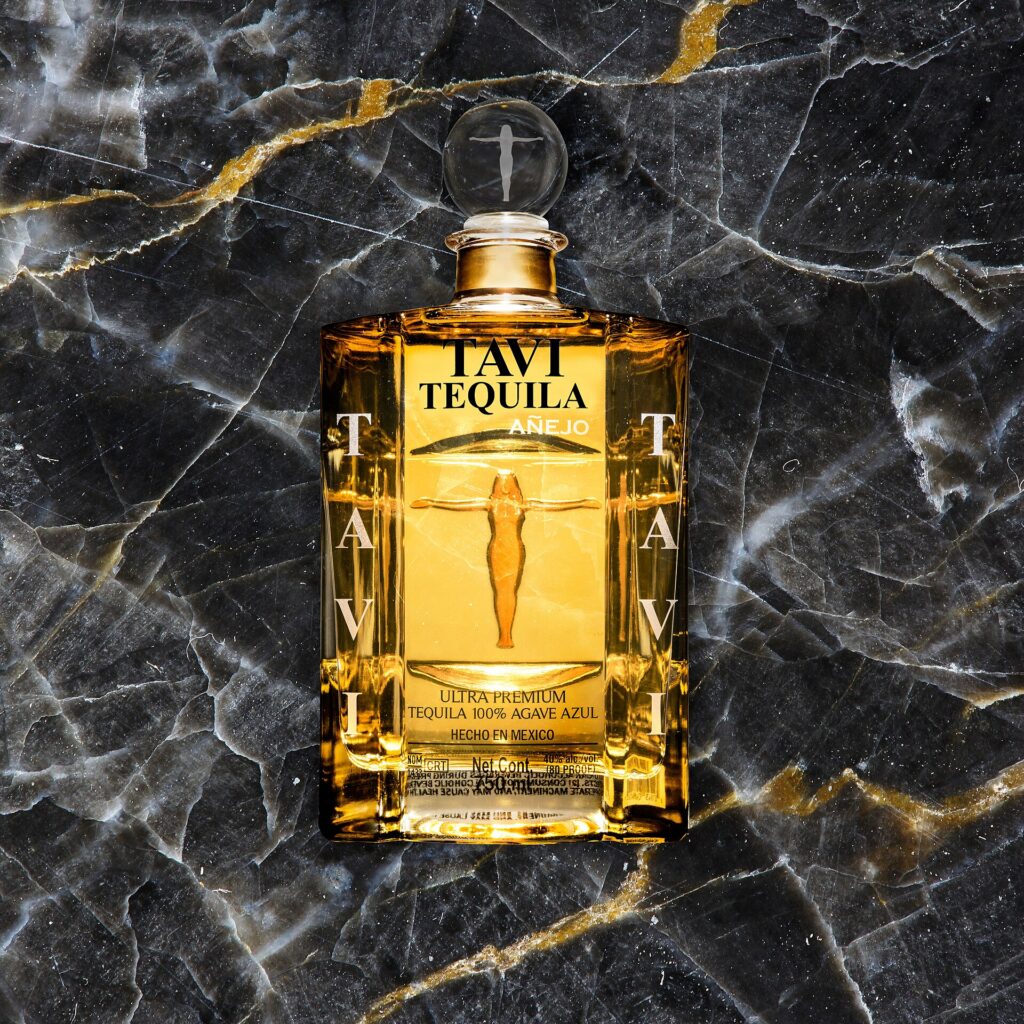
An aged tequila defined by its maturation class, with a potentially broad balance of agave and wood. ADI lists this separately from its explicitly 100% agave entry, but the unqualified name does not by itself prove that other fermentable sugars were used.
Color
Maturation
Alcohol
Sweetness
Balance
History
Añejo tequila grew within the Tequila region’s established distilling economy, whose industrial development UNESCO traces through surviving haciendas and production facilities. It belongs to the maturation history of the wider spirit. ADI’s separate entry for añejo without the 100% agave qualifier should not be given an independent regional origin. UNESCO: Agave Landscape and Ancient Industrial Facilities of Tequila.
Classic characteristics
Appearance
Usually gold to amber; intensity is not a fermentation-category test.
Aroma
Medium to pronounced; agave and oak-associated aromas in variable proportions.
Flavor
Plant-derived character with barrel spice, vanilla or caramel associations.
Sweetness
Dry through sweet-seeming; establish actual sugar separately.
Mouthfeel
Light-medium through full; warming, with variable wood-related grip.
Finish
Short-medium through long; assess persistence and development in the sample.
Flavor Profile Deep Dive
Judge the documented añejo and fermentation categories; omission of “100%” from ADI's heading does not establish mixed-sugar production. Investigate persistent solvent-like pungency, unpleasant stale character or wood astringency that overwhelms the intended expression. A descriptor alone cannot prove a distillation-cut error, additive use or chemical safety.
Service notes
Give staff two labels and ask them to separate statements about raw material from statements about age. Then taste without identifying the bottles and discuss which sensory differences are actually observable. The exercise should end with a clear distinction between evidence from a label and evidence from the senses. For service, choose the bottle for its actual balance and the intended drink; “aged tequila” is a useful opening description, but not enough to predict cocktail performance.
Style parameters
Legal limits apply only to the named jurisdiction and identity. ADI entry conditions and typical sensory expectations are separate; a product example is not a universal range.
Cocktail connections
Browse published cocktails. Documented recipes, conditional style choices and development substitutions are labeled separately.
No established classic or recognized modern cocktail match was found for this specific style in the sources reviewed. This records a research gap, not proof that no cocktail exists. No neighboring style has been substituted to fill the space.
Style comparison
The practical comparison with S001 is one of documented raw-material category, where that distinction exists, not a mandatory difference in aroma. Do not teach that unqualified añejo must be sweeter, harsher, cheaper or less authentic. It is also misleading to treat colour depth as proof of greater oak exposure when maturation and permitted presentation choices can differ.
Related styles: 100% Agave Añejo Tequila · Reposado Tequila.
Ingredients
Agave tequilana Weber var. azul; verify declared fermentation category
Production notes
Apply añejo (at least one year in oak vessels no larger than 600 L) and establish the fermentation category from the label or producer. If a competition requires these two ADI entries to be mutually exclusive, its entry instructions must resolve the placement. This guide preserves both rows without inventing an exclusion absent from the supplied definition.
Commercial examples
| Expression | Stated ABV | Source/market review | Eligibility note |
|---|---|---|---|
| Patrón Añejo | 40% | Producer-listed expression; local availability not verified; checked 2026-09-18 | 100% agave expression. ADI headings without “100%” overlap this product; they do not establish mixed-sugar production. |
Retained example and source context. The sensory comparison with S001 is intentional: this broader label can encompass that profile. Legal identity and overlap: shared tequila rules; ADI's supplied entry contains no explicit non-100% exclusion. No separately verified mixed-sugar añejo benchmark is asserted here.
Photo credit
Tavi Añejo tequila. Photo: Zmrussell / Wikimedia Commons. CC BY-SA 4.0. Display resized; no other edits.

Keep exploring
- NOM-006-SCFI-2012 — evidence reviewed 2026-09-18.
- 27 CFR 5.148 — evidence reviewed 2026-09-17.