
Commercial Examples
Schneider Aventinus, Tucher Weizen Bock, Erdinger Weizenbock, Troegs Dreamweaver (American variant), Samuel Smith Wheat Ale (similar style)

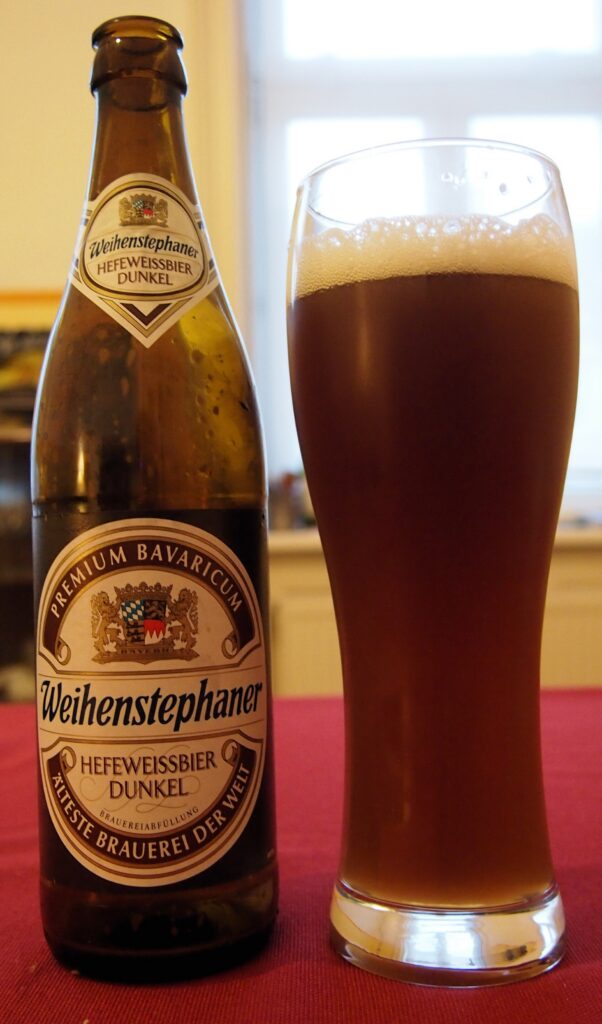
The Weizenbock emerged from Bavaria's wheat beer tradition, where monks and brewers experimented with creating stronger versions of popular styles. The earliest documented Weizenbock dates to the 1600s Munich court of the Wittelsbachs, who controlled the wheat brewing monopoly. Schneider Weizen brewery's Aventinus, first brewed in 1907, remains the world's oldest top-fermented wheat doppelbock and is considered the style's benchmark.
Bavaria, particularly Munich, is the spiritual home of Weizenbock. The combination of wheat brewing tradition and bock brewing expertise makes Bavaria the natural origin point.
Contemporary Weizenbock production remains concentrated in Bavaria, though the style has influenced brewers worldwide. Pale and dark variants have emerged, offering different expressions of the wheat-bock combination.
Color ranges widely depending on variant: pale Weizenbock shows light amber to golden color, while dark versions show deep amber to brown. All versions typically show significant cloudiness from wheat protein and yeast, with tan to cream head with excellent retention. The appearance suggests a powerful wheat beer.
Complex bouquet combining wheat beer fruity-spicy character (banana, clove, phenolic notes) with bock-style malt richness (bread, toast, caramel). Fruity esters prominent. The combination of banana-clove wheat character with bock malt complexity creates a unique aromatic profile.
Wheat beer fruity and spicy character (banana, clove, white pepper) blends with bock malt richness (bread, toast, slight caramel sweetness). Full body and alcohol warmth support the complexity. The finish balances banana-clove spice against bock malt sweetness, transitioning to slightly dry.
Wheat beer fruity-spicy character (banana, clove) balanced against bock malt richness (bread, toast). The interplay between these elements creates the style's unique character. Full body and warming alcohol support the complexity.
Herbal hints from hops, subtle caramel sweetness from bock malt, white pepper or other phenolic notes from yeast.
Warming finish with lingering banana-clove spice and bock malt sweetness. The alcohol presence is felt but integrates well with the overall flavor.
Serve at 50-55°F in a tall wheat beer glass or Pilsner glass (to showcase clarity of pale variants). This beer rewards contemplation and pairs beautifully with German food. Allow it to warm slightly to reveal additional complexity.
Overall Impression: A strong, malty, fruity, wheat-based ale combining the best malt and yeast flavors of a weissbier (pale or dark) with the malty-rich flavor, strength, and body of a Dunkles Bock or Doppelbock.
Aroma: Medium-high to high malty-rich character with a significant bready-grainy wheat component. Paler versions will have a bready-toasty malty richness, while darker versions will have a deeper, richer malt presence with significant Maillard products. The malt component is similar to a helles bock for pale versions (grainy-sweet-rich, lightly toasted) or a dunkles bock for dark versions (bready-malty-rich, highly toasted, optional caramel). The yeast contributes a typical weizen character of banana and spice (clove, vanilla), which can be medium-low to medium-high. Darker versions can have some dark fruit aroma (plums, prunes, grapes, raisins), particularly as they age. A low to moderate alcohol aroma is acceptable, but shouldn't be hot or solventy. No hop aroma. The malt, yeast, and alcohol intertwine to produce a complex, inviting, prominent bouquet.
Appearance: Pale and dark versions exist, with pale versions being light gold to light amber, and dark versions being dark amber to dark ruby-brown in color. A very thick, moussy, longlasting white to off-white (pale versions) or light tan (dark versions) head is characteristic. The high protein content of wheat impairs clarity in this traditionally unfiltered style, although the level of haze is somewhat variable. Suspended yeast sediment can contribute to the cloudiness.
Flavor: Similar to the aroma, a medium-high to high maltyrich flavor together with a significant bready-grainy wheat flavor. Paler versions will have a bready, toasty, grainy-sweet malt richness, while darker versions will have deeper, breadyrich or toasted malt flavors with significant Maillard products, optional caramel. Low to moderate banana and spice (clove, vanilla) yeast character. Darker versions can have some dark fruit flavor (plums, prunes, grapes, raisins), particularly as they age. A light chocolate character (but not roast) is optional in darker versions. No hop flavor. A low hop bitterness can give a slightly sweet palate impression, but the beer typically finishes dry (sometimes enhanced by a light alcohol character). The interplay between the malt, yeast, and alcohol adds complexity and interest, which is often enhanced with age.
Mouthfeel: Medium-full to full body. A fluffy or creamy texture is typical, as is the mild warming sensation of substantial alcohol content. Moderate to high carbonation.
Comments: A Weissbier brewed to bock or doppelbock strength. Schneider also produces an Eisbock version. Pale and dark versions exist, although dark are more common. Pale versions have less rich malt complexity and often more hops, as with doppelbocks. Lightly oxidized Maillard products can produce some rich, intense flavors and aromas that are often seen in aged imported commercial products; fresher versions will not have this character. Well-aged examples might also take on a slight sherry-like complexity.
History: Aventinus, the world's oldest top-fermented wheat doppelbock, was created in 1907 at the Schneider Weisse Brauhaus in Munich.
Characteristic Ingredients: A high percentage of malted wheat is used (by German brewing tradition must be at least 50%, although it may contain up to 70%), with the remainder being Munich- and/or Vienna-type barley malts in darker versions, and more Pils malt in paler versions. Some color malts may be used sparingly. A traditional decoction mash can give the appropriate body without cloying sweetness. Weizen ale yeasts produce the typical spicy and fruity character. Too warm or too cold fermentation will cause the phenols and esters to be out of balance and may create off-flavors. Hop choice is essentially irrelevant, but German varieties are most traditional.
Style Comparison: Stronger and richer than a Weissbier or Dunkles Weissbier, but with similar yeast character. More directly comparable to the Doppelbock style, with the pale and dark variations. Can vary widely in strength, but most are in the bock to doppelbock range.
Vital Statistics: OG: 1.064 – 1.090 IBUs: 15 – 30 FG: 1.015 – 1.022 SRM: 6 – 25 ABV: 6.5 – 9.0%
Commercial Examples: Dark – Eisenbahn Weizenbock, Plank Bavarian Dunkler Weizenbock, Penn Weizenbock, Schneider Unser Aventinus; Pale – Plank Bavarian Heller Weizenbock, Weihenstephaner Vitus
50% wheat malt, 50% pale or Munich malt (proportions may vary). Darker variants use small amounts of darker malts (chocolate, roasted). The goal is combining wheat beer character with bock malt depth.
Light to moderate hopping (15-30 IBU) using noble varieties. Hops should provide balance without dominating.
Weissbier yeast (Hefeweizen yeast) selected for good banana and clove production. The yeast is critical to balancing wheat beer character with bock strength.
Soft to moderately hard water. No particular mineral emphasis required.
Step mash recommended, incorporating a protein rest (around 122°F) to break down wheat proteins and ensure clarity where desired, or avoiding the protein rest to maintain cloudiness (traditional).
Warm fermentation at Hefeweizen temperature range (65-75°F) to develop banana-clove character. The yeast should produce these compounds despite the higher gravity and strength.
At the pub: Thrice Cooked Chips Also at the pub: Smoked Trout Schnitzel Dessert: French Apple Tart
Rich, aged cheeses, smoked varieties
Roasted poultry, pork, venison, hearty preparations
Spice cake, banana-based desserts, rich chocolate preparations
Genever
New: Snarky Puppy Old: Brahms, Piano Concerto No. 1 in D Minor
Schneider Aventinus, Tucher Weizen Bock, Erdinger Weizenbock, Troegs Dreamweaver (American variant), Samuel Smith Wheat Ale (similar style)