Black Flannel Academy

Weissbier | Rito`s Lament

central-europe · Malty · pale-color · standard-strength · top-fermented · Traditional style · wheat-beer-family

The Hefeweizen is one of the world's great beer styles—a cloudy, fruity-spicy wheat beer that represents the pinnacle of German wheat beer brewing. The style's distinctive banana and clove character comes from specific yeast strains and fermentation temperature, creating a beer that is refreshing, complex, and food-friendly.

Color

2 – 6 SRM

Bitterness

8 – 15 IBU

Alcohol

4.3 – 5.6% ABV

Sweetness

Sweet sensation from the wheat and banana esters, balanced by light hopping.

Balance

The banana-clove balance varies by yeast strain—some emphasize banana, others clove.

History

Historical Development

Hefeweizen's modern form traces back to seventeenth-century Bavaria, when Duke Maximilian I inherited the right to brew beer with wheat from the family of Duke Degenberg in 1602. This monopoly shifted wheat brewing from monasteries to the Bavarian royal court. When Maximilian established a new brewery in Munich to produce wheat beer for court consumption, the beer's prestige exploded across Bavaria. George Schneider's acquisition of brewery rights in 1856 established the commercial Schneider Weizen brand that helped popularize the style.

Geographic Origin

Bavaria, particularly Munich, is the undisputed home of Hefeweizen. The tradition extends across Bavaria, with each major brewery developing its own house character.

Modern Evolution

The terminology evolved over time—"Weissbier" literally means "white beer" (referring to the pale color), while "Weizen" means "wheat" and "Hefe" means "yeast." Modern German breweries often use these terms interchangeably, though regional preferences persist. International expansion has made Hefeweizen one of the world's most widely available wheat beer styles.

Classic characteristics

Appearance

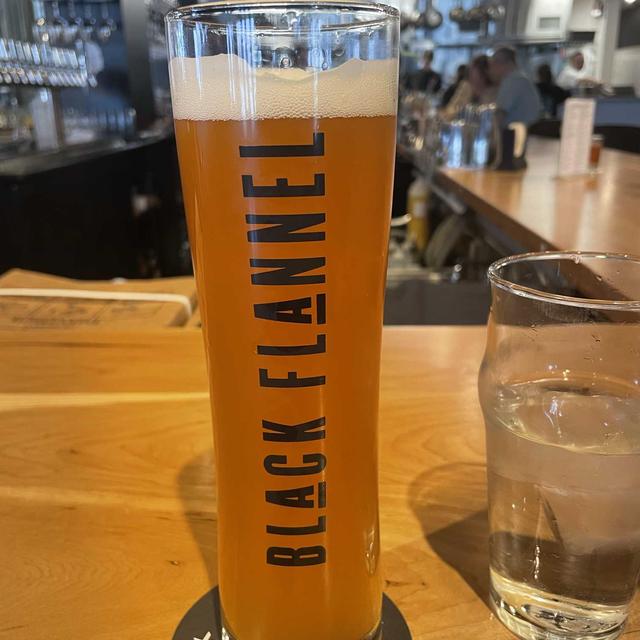
Pale to golden straw color, typically cloudy or turbid from suspended yeast and wheat proteins. The cloudiness is characteristic and traditional—clarity is not desired. Dense, white head with excellent retention and good lacing.

Aroma

Fruity and spicy with banana and clove notes predominating. The banana aroma comes from isoamyl acetate (produced by Hefeweizen yeast strains), while clove aroma derives from 4-vinyl-guaiacol (a phenolic compound). Some versions show slight wheat bread aroma. Very little hop aroma despite mild hopping.

Flavor

Fruity banana and spicy clove notes dominate the flavor, with subtle wheat bread character, slight yeast spice, and very light hop flavor. The banana-clove balance varies by yeast strain—some emphasize banana, others clove. Sweet sensation from the wheat and banana esters, balanced by light hopping. Clean, crisp finish.

Mouthfeel

  • ABV: 4.3-5.6%
  • Body: Medium
  • Carbonation: High (contributing to the fluffy mouthfeel)
  • Finish: Refreshing, clean

Flavor Profile Deep Dive

Primary Flavors

Banana and clove notes balance as the dominant flavors, with the exact ratio varying by yeast strain and fermentation temperature. Wheat bread character provides foundation. The banana-clove balance defines the style.

Secondary Flavors

Slight yeast spice, hints of white pepper, subtle herbal notes from hops.

Aftertaste

Clean, crisp finish with lingering banana-clove notes. The wheat contribution provides slight sweetness that makes another sip inviting.

Service notes

Serve very cold (46-54°F) in a traditional wheat beer glass or Hefeweizen vase. The glass shape allows for proper head formation and directs aroma to the nose. Traditionally served with a slice of lemon, though this is optional and somewhat controversial among purists.

BJCP designation

Overall Impression: A pale, refreshing German wheat beer with high carbonation, dry finish, a fluffy mouthfeel, and a distinctive banana-and-clove yeast character.

Aroma: Moderate to strong phenols (usually clove) and fruity esters (typically banana). The balance and intensity of the phenol and ester components can vary but the best examples are reasonably balanced and fairly prominent. The hop character ranges from low to none. A light to moderate wheat aroma (which might be perceived as bready or grainy) may be present but other malt characteristics should not. Optional, but acceptable, aromatics can include a light to moderate vanilla character, and/or a faint bubblegum aroma. None of these optional characteristics should be high or dominant, but often can add to the complexity and balance.

Appearance: Pale straw to gold in color. A very thick, moussy, long-lasting white head is characteristic. The high protein content of wheat impairs clarity in an unfiltered beer, although the level of haze is somewhat variable.

Flavor: Low to moderately strong banana and clove flavor. The balance and intensity of the phenol and ester components can vary but the best examples are reasonably balanced and fairly prominent. Optionally, a very light to moderate vanilla character and/or faint bubblegum notes can accentuate the banana flavor, sweetness and roundness; neither should be dominant if present. The soft, somewhat bready or grainy flavor of wheat is complementary, as is a slightly grainy-sweet malt character. Hop flavor is very low to none, and hop bitterness is very low to moderately low. Well-rounded, flavorful palate with a relatively dry finish. The perception of sweetness is more due to the absence of hop bitterness than actual residual sweetness; a sweet or heavy finish would significantly impair drinkability.

Mouthfeel: Medium-light to medium body; never heavy. Suspended yeast may increase the perception of body. The texture of wheat imparts the sensation of a fluffy, creamy fullness that may progress to a light, spritzy finish aided by high to very high carbonation. Always effervescent.

Comments: These are refreshing, fast-maturing beers that are lightly hopped and show a unique banana-and-clove yeast character. These beers often don't age well and are best enjoyed while young and fresh. The version mit hefe is served with suspended yeast; the krystal version is filtered for excellent clarity. The character of a krystal weizen is generally fruitier and less phenolic than that of the weissbier mit hefe. May be known as hefeweizen, particularly in the United States.

History: While Bavaria has a wheat beer tradition dating back hundreds of years, brewing wheat beer used to be a monopoly reserved for Bavarian royalty. Modern weissbier dates from 1872 when Schneider began production. However, pale weissbier only became popular since the 1960s. It is quite popular today, particularly in southern Germany.

Characteristic Ingredients: By German brewing tradition, at least 50% of the grist must be malted wheat, although some versions use up to 70%; the remainder is typically Pilsner malt. A decoction mash is traditional, although modern brewers typically don't follow this practice. Weizen ale yeast produces the typical spicy and fruity character, although high fermentation temperatures can affect the balance and produce off-flavors.

Vital Statistics: OG: 1.044 – 1.052 IBUs: 8 – 15 FG: 1.010 – 1.014 SRM: 2 – 6 ABV: 4.3 – 5.6%

Commercial Examples: Ayinger Brau Weisse, Hacker-Pschorr Weisse, Paulaner Hefe-Weizen Naturtrub, Schneider Weisse Unser Original, Weihenstephaner Hefeweissbier

Brewers Association designation

  • South German-Style Hefeweizen
    • Color: Straw to amber
    • Clarity: If served with yeast, appearance may be very cloudy.
    • Perceived Malt Aroma & Flavor: Very low to medium-low
    • Perceived Hop Aroma & Flavor: Not present to very low
    • Perceived Bitterness: Very low
    • Fermentation Characteristics: Med-low to med-high fruity and phenolic attributes are hallmarks of this style. Phenolic attributes such as clove, nutmeg, smoke and vanilla are present. Banana ester aroma and flavor should be present at low to medium-high levels. Diacetyl should not be present.
    • Body: Medium to full
    • Additional notes: These beers are made with at least 50 percent malted wheat. Hefeweizens are very highly carbonated. These beers are typically (though not always) roused during pouring, and when yeast is present, they will have a yeasty flavor and a characteristically fuller mouthfeel.
  • Original Gravity (°Plato) 1.047-1.056(11.7-13.8 °Plato) – Apparent Extract/Final Gravity (°Plato) 1.008-1.016(2.1-4.1 °Plato) – Alcohol by Weight (Volume) 3.9%-4.4%(4.9%-5.6%) – Bitterness (IBU) 10-15 – Color SRM (EBC) 3-9(6-18 EBC)

Style comparison

Parent Categories

  • German Wheat Beers
  • Pale Ales

Similar Styles

  • Dunkelweizen (10B) – dark wheat beer
  • Weizenbock (10C) – higher alcohol wheat
  • Witbier (Belgian cousin with different spicing)

Ingredients

Grain Bill

50% wheat malt, 50% pale ale malt (Pilsner malt common). The wheat provides the signature bread-like flavor and contributes to the proteins that create cloudiness.

Hops

Light hopping (8-15 IBU) using noble varieties (Hallertau, Tettnang). Hops should provide balance with minimal flavor impact.

Yeast

Hefeweizen-specific ale yeast strains (often available as "Bavarian Wheat" or "Hefeweizen" yeast). These strains produce the characteristic banana and clove compounds at normal fermentation temperatures.

Water Profile

Soft to moderately hard water, slightly sulfate-accented water may emphasize spice character, while chloride-accented water may enhance sweetness.

Brewing process

Mash Profile

Step mash incorporating a protein rest around 122°F is traditional, resting at this temperature for 30-45 minutes to break down wheat proteins without completely eliminating the haziness that defines the style.

Fermentation

Warm fermentation at 65-75°F is critical. The temperature range directly influences yeast ester and phenolic production—higher temperatures increase banana production, while lower temperatures can increase clove. Proper temperature control is essential to style definition.

Ferulic Acid Rest

A specialized mash step (around 113°F for 10-30 minutes) before raising temperature can enhance the 4-vinyl-guaiacol (clove) precursor, emphasizing clove character in the finished beer.

Food pairings

This is one of the most pairable beers for food. Try it with almost anything and it'll likely work. Here are a few possibilities.

At the Pub: Smoked Peanuts Takeout: Chicken Tikka Masala or Indian Butter Chicken Casual date: Burgers and fries

Cheese

Mild, fresh cheeses, cheddar, goat cheese

Meat & Seafood

Roasted chicken, pork, seafood, light preparations, sausages

Desserts

Lemon desserts, fruit tarts, light custard preparations, shortbread

Spirit pairings

Wheated Bourbon

The soundtrack

New: The Lumineers Old: Beethoven, Symphony No. 6, Pastorale

Keep exploring

Commercial Examples

Schneider Weisse, Erdinger Hefeweizen, Paulaner Hefeweizen, Hacker-Pschorr Hefeweizen, Ayinger Bräu-Weisse, Stiegl Hefeweizen, Black Flannel Brewing Rito’s Lament, Many American craft breweries produce Hefeweizen-inspired wheat beers

Beer Cocktail Recipe

Spicy Summertime

Ingredients:

8 ounces Hefeweizen
1.5 ounces fresh mango puree
1/4 of a habanero pepper without seeds
Thinly sliced mango for garnish
Whole habanero pepper for garnish (if you're a hot head)

Directions:

Put 1/4 of a habanero pepper in the bottom of an old fashioned glass and top with mango puree. Muddle together for 5-10 seconds, then use a spoon to remove the habanero pepper. Top with wheat beer, then garnish with sliced mango and habanero (if desired).

Return to all beer styles

Scroll to Top