Commercial Examples
Hoegaarden, Hitachino Nest White Ale, Allagash White, Black Flannel Brewing Wits & Giggles, Boulevard Brewing Unfiltered Wheat

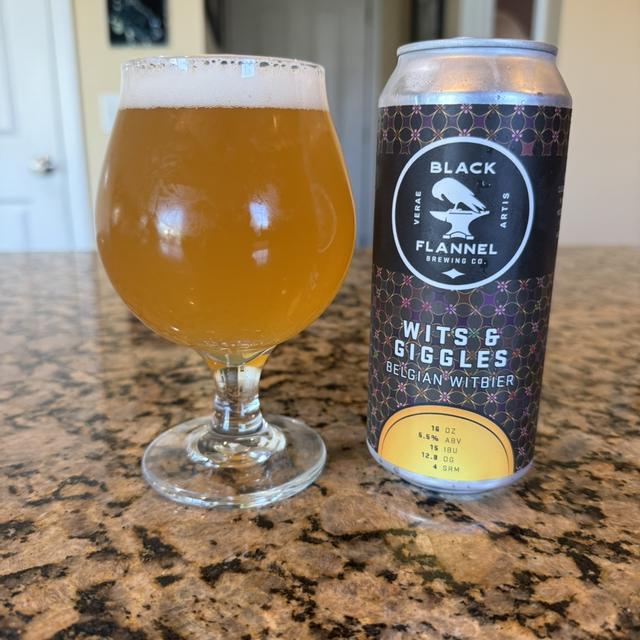
Witbier is a low-gravity white hazy beer from Belgium characterized by wheat bread maltiness and prominent spicing with orange peel and coriander. The hazy, pale color comes from unmalted wheat and often suspended protein and yeast. These beers are refreshing and slightly tart, making them excellent aperitifs. Witbier represents a historical Belgian brewing tradition revived in modern times.
Witbier originated in Brabant, the region including modern-day Belgium and parts of Netherlands. Historical records trace brewing to the Hoegaarden monastery around the 1400s. The region had an established brewing guild by the 1500s.
By the 1800s, Brabant supported 30+ witbier breweries. The style thrived for centuries. However, by 1960, every single witbier brewery had ceased production. The style was extinct—not just unpopular, but completely disappeared from commercial availability.
In 1966, Belgian entrepreneur Pierre Celis single-handedly revived witbier by establishing Brouwerij Celis in Hoegaarden. He recreated the historical style, drawing on brewing traditions and experimentation. His success made Hoegaarden a household name and sparked the style's return.
Brouwerij Celis was eventually acquired by Interbrew (now AB InBev), making Hoegaarden a global brand. The style spread worldwide. Pierre Celis later moved to Austin, Texas (1992) and created Celis Brewery there, continuing his legacy. Today, Hoegaarden represents the historical standard, while numerous Belgian and international breweries produce witbier interpretations.
Hazy, pale straw to pale golden color with milky opacity from unmalted wheat. White to pale foam head with excellent retention. The haziness is characteristic—not a defect. Appearance immediately identifies the style.
Sweet, bready wheat malt aroma. Prominent coriander and orange peel spice aroma. Subtle yeast/ale character. Slight citrus notes from orange peel. Complex yet balanced aroma.
Bread, wheat malt sweetness dominates. Coriander and orange peel provide characteristic spice/citrus. Slight clove or other subtle spice notes from ale yeast. Slightly tart from wheat proteins and yeast character. Very light bitterness. Refreshing, crisp finish.
Soft, bready wheat malt character provides foundation. Coriander and orange peel create balanced spice notes that integrate with malt rather than dominating.
Subtle clove-like phenols from ale yeast. Slight tartness from wheat proteins. Soft sweetness from unmalted wheat. The overall profile is gently complex.
Refreshing, clean, slightly dry finish. No harshness. Slight citrus lingers from orange peel.
Serve chilled (45-50°F) in a tall glass or traditional Belgian witbier glass. The haze should be visible and appetizing.
Overall Impression: A refreshing, elegant, tasty, moderate strength wheat-based ale.
Aroma: Moderate malty sweetness (often with light notes of honey and/or vanilla) with light, grainy, spicy wheat aromatics, often with a bit of tartness. Moderate perfumy coriander, often with a complex herbal, spicy, or peppery note in the background. Moderate zesty, citrusy-orangey fruitiness. A low spicy-herbal hop aroma is optional, but should never overpower the other characteristics. Vegetal, celery-like, or ham-like aromas are inappropriate. Spices should blend in with fruity, floral and sweet aromas and should not be overly strong.
Appearance: Very pale straw to very light gold in color. The beer will be very cloudy from starch haze and/or yeast, which gives it a milky, whitish-yellow appearance. Dense, white, moussy head. Head retention should be quite good.
Flavor: Pleasant malty-sweet grain flavor (often with a honey and/or vanilla character) and a zesty, orange-citrusy fruitiness. Refreshingly crisp with a dry, often tart, finish. Can have a low bready wheat flavor. Optionally has a very light lactic-tasting sourness. Herbal-spicy flavors, which may include coriander and other spices, are common should be subtle and balanced, not overpowering. A spicy-earthy hop flavor is low to none, and if noticeable, never gets in the way of the spices. Hop bitterness is low to medium-low, and doesn't interfere with refreshing flavors of fruit and spice, nor does it persist into the finish. Bitterness from orange pith should not be present. Vegetal, celery-like, ham-like, or soapy flavors are inappropriate.
Mouthfeel: Medium-light to medium body, often having a smoothness and light creaminess from unmalted wheat and the occasional oats. Despite body and creaminess, finishes dry and often a bit tart. Effervescent character from high carbonation. Refreshing, from carbonation, light acidity, and lack of bitterness in finish. No harshness or astringency from orange pith. Should not be overly dry and thin, nor should it be thick and heavy.
Comments: The presence, character and degree of spicing and lactic sourness varies. Overly spiced and/or sour beers are not good examples of the style. Coriander of certain origins might give an inappropriate ham or celery character. The beer tends to be fragile and does not age well, so younger, fresher, properly handled examples are most desirable. Most examples seem to be approximately 5% ABV.
History: A 400-year-old Belgian beer style that died out in the 1950s; it was later revived by Pierre Celis at Hoegaarden, and has grown steadily in popularity over time, both with modern craft brewers and mass-market producers who see it as a somewhat fruity summer seasonal beer.
Characteristic Ingredients: About 50% unmalted wheat and 50% pale barley malt (usually Pils malt) constitute the grist. In some versions, up to 5-10% raw oats may be used. Spices of freshly-ground coriander and Curacao or sometimes sweet orange peel complement the sweet aroma and are quite characteristic. Other spices (e.g., chamomile, cumin, cinnamon, Grains of Paradise) may be used for complexity but are much less prominent. Ale yeast prone to the production of mild, spicy flavors is very characteristic. In some instances a very limited lactic fermentation, or the actual addition of lactic acid, is done.
Style Comparison: Low bitterness level with a balance similar to a Weissbier, but with spice and citrus character coming from additions rather than the yeast.
Vital Statistics: OG: 1.044 – 1.052 IBUs: 8 – 20 FG: 1.008 – 1.012 SRM: 2 – 4 ABV: 4.5 – 5.5%
Commercial Examples: Allagash White, Blanche de Bruxelles, Celis White, Hoegaarden Wit, Ommegang Witte, St. Bernardus Witbier, Wittekerke
Unmalted wheat (50%) combined with pale malt (50%). Some brewers incorporate small amounts of raw oats (up to 5-10%) for additional silky mouthfeel and haziness.
Ale yeast prone to mild spicy phenolic character naturally. Yeast selection influences final spice profile—some strains produce clove-like notes enhancing the spice bill.
Traditional Spices:
Optional Spices (used judiciously):
The Belgian brewing philosophy embraces spice additions when they genuinely improve the beer. Unlike Anglo-Saxon brewing traditions that largely abandoned spicing, Belgian brewers maintained the practice and use it thoughtfully.
Step mashing typically employed:
Moderate ale temperature (66-72°F) for clean character with subtle yeast contributions. Avoid high temperatures that create excessive esters.
The characteristic haze comes from wheat proteins and suspended yeast. Modern filtration is typically avoided to preserve this characteristic appearance. The haziness is intentional and integral to the style.
At the Pub: Mini bratwurst Brunch: French Toast with blood orange slices and Vermont Maple Syrup Cheese pairing: Double Cream Brie
Mild cheeses, goat cheese, fresh mozzarella
Light poultry, fish, salads, ceviche, Asian cuisine with citrus elements
Light pastries, fruit-based desserts, lemon treats
Dutch Soul
New: James Taylor Old: Domenico Scarlatti, The Piano Sonatas
Hoegaarden, Hitachino Nest White Ale, Allagash White, Black Flannel Brewing Wits & Giggles, Boulevard Brewing Unfiltered Wheat