Commercial Examples
Kulmbacher Edelherb, Paulaner Dunkel, Black Flannel Brewing J.S. Bock, Ayinger Maibock, Weltenburger Dunkel, Eggenberg Dunkelweberbier

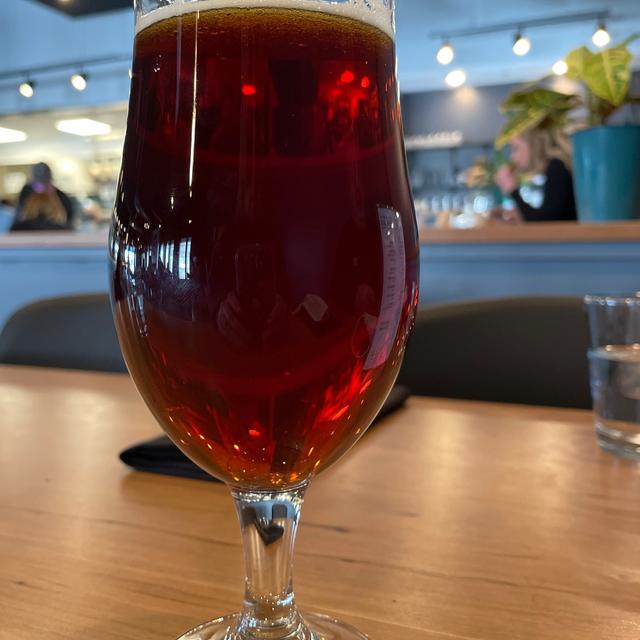
A strong, dark German lager with complex malt flavors and toasty character. Dunkles Bock represents the first strong lager style developed in Germany, originating in the medieval brewing tradition of Einbeck. The name "dunkles" means "dark" in German, distinguishing it from lighter bock variants.
Dunkles Bock emerged in Einbeck, Germany, during the medieval period as brewers developed techniques to create stronger, longer-aging beers. Einbeck was a major brewing center in northern Germany, with a reputation for quality and innovation. The strong beers from Einbeck became so famous that they were exported throughout Europe and contributed significantly to the development of bock-style beers across the continent.
The style developed through the natural evolution of German brewing as brewers sought to create beers that could be brewed in winter and aged for consumption during warmer months. The use of decoction mashing—partially boiling portions of the mash and returning them to the strike vessel—became a hallmark of Dunkles Bock production, creating deep, complex grain character and toasty notes that define the style.
Dunkles Bock is historically the first of the modern bock styles, predating the lighter variants (Maibock, Hellerbock) that emerged later. It remains a testament to medieval German brewing expertise and innovation.
Dunkles Bock originated in Einbeck, a city in Lower Saxony in northern Germany. Einbeck's position and brewing tradition made it a major center of beer production in medieval times. The style is now brewed throughout Germany, particularly in Bavaria, though Einbeck remains historically significant.
Today, Dunkles Bock is primarily brewed in Bavaria, though examples come from across Germany. Modern interpretations generally maintain the strong, malty character and toasty complexity that define the style, though brewing techniques have evolved with modern equipment.
Dark brown to black, with excellent clarity. Dense, creamy tan head that persists. Full body apparent from gravity and leg formation on the glass.
Rich, complex malt aroma with prominent toasted grain and bread notes. Notes of caramel and dark fruit (plums, raisins) are common. Low hop aroma. Some alcohol warmth present.
Deep, malty flavor with toasted grain, bread, caramel, and dark fruit character. The decoction mashing creates complex toasted notes that distinguish Dunkles Bock from other strong lagers. Moderate bitterness balances the malt sweetness without overwhelming it. Smooth finish with lingering toasted malt character and subtle warmth.
Deep malty richness with prominent toasted grain and bread character. Subtle caramel and dark fruit notes support the primary toasted malt impression. The decoction mashing technique creates complex layering of flavors.
Dark fruit (plums, raisins, currants), subtle chocolate notes, warming alcohol, complex grain character from decoction mashing.
Smooth, warming finish with lingering toasted malt character. Well-integrated alcohol adds to the warming sensation without harshness.
Serve at 50-55°F in a traditional Bock glass or snifter. This beer rewards contemplative sipping and pairs beautifully with hearty German food or quiet winter evenings.
Overall Impression: A dark, strong, malty German lager beer that emphasizes the malty-rich and somewhat toasty qualities of continental malts without being sweet in the finish.
Aroma: Medium to medium-high bready-malty-rich aroma, often with moderate amounts of rich Maillard products and/or toasty overtones. Virtually no hop aroma. Some alcohol may be noticeable. Clean lager character, although the malts can provide a slight (low to none) dark fruit character, particularly in aged examples.
Appearance: Light copper to brown color, often with attractive garnet highlights. Lagering should provide good clarity despite the dark color. Large, creamy, persistent, off-white head.
Flavor: Complex, rich maltiness is dominated by the toasty-rich Maillard products. Some caramel notes may be present. Hop bitterness is generally only high enough to support the malt flavors, allowing a bit of sweetness to linger into the finish. Well-attenuated, not cloying. Clean fermentation profile, although the malt can provide a slight dark fruit character. No hop flavor. No roasted or burnt character.
Mouthfeel: Medium to medium-full bodied. Moderate to moderately low carbonation. Some alcohol warmth may be found, but should never be hot. Smooth, without harshness or astringency.
Comments: Decoction mashing and long boiling plays an important part of flavor development, as it enhances the caramel and Maillard flavor aspects of the malt. Any fruitiness is due to Munich and other specialty malts, not yeast-derived esters developed during fermentation.
History: Originated in the Northern German city of Einbeck, which was a brewing center and popular exporter in the days of the Hanseatic League (14th to 17th century). Recreated in Munich starting in the 17th century. The name "bock" is based on a corruption of the name "Einbeck" in the Bavarian dialect, and was thus only used after the beer came to Munich. "Bock" also means "Ram" in German, and is often used in logos and advertisements.
Characteristic Ingredients: Munich and Vienna malts, rarely a tiny bit of dark roasted malts for color adjustment, never any non-malt adjuncts. Continental European hop varieties are used. Clean German lager yeast.
Style Comparison: Darker, with a richer malty flavor and less apparent bitterness than a Helles Bock. Less alcohol and malty richness than a Doppelbock. Stronger malt flavors and higher alcohol than a Marzen. Richer, less attenuated, and less hoppy than a Czech Amber Lager.
Vital Statistics: OG: 1.064 – 1.072 IBUs: 20 – 27 FG: 1.013 – 1.019 SRM: 14 – 22 ABV: 6.3 – 7.2%
Commercial Examples: Aass Bock, Einbecker Ur-Bock Dunkel, Great Lakes Rockefeller Bock, Kneitinger Bock, New Glarus Uff-da Bock, Penn Brewery St. Nikolaus Bock
Traditional German-Style Bock
Color: Dark brown to very dark
Clarity: Appearance should be clear. Chill haze should not be present
Perceived Malt Aroma & Flavor: Traditional Bocks are made with all malt and have high malt character with aromas of toasted or nutty malt, but not caramel. Traditional bocks display high malt sweetness. The malt flavor profile should display a balance of sweetness and toasted or nutty malt, but not caramel.
Perceived Hop Aroma & Flavor: Very low
Perceived Bitterness: Medium, increasing proportionately with starting gravity.
Fermentation Characteristics: Fruity esters if present should be minimal. Diacetyl should not be present.
Body: Medium to full
Original Gravity (Plato) 1.066-1.074 (16.1-18 Plato) – Apparent Extract/Final Gravity (Plato) 1.018-1.024 (4.6-6.1 Plato) – Alcohol by Weight (Volume) 5.0%-6.0% (6.3%-7.6%) – Bitterness (IBU) 20-30 – Color SRM (EBC) 20-30 (40-60 EBC)
Two-row Pilsner or German Pale malt as base (60-70%), with Munich malt (20-30%) for depth and body. Caramel malts (20-40L) for subtle sweetness, small amounts of roasted malt for color and toasted character. Some examples include a touch of chocolate malt.
Traditional German noble varieties (Hallertau, Spalt, Tettnang) used moderately for balance. Medium-low alpha acids preferred.
Bavarian lager yeast (Saccharomyces pastorianus) fermented at cool temperatures (50-55°F).
Soft to moderately sulfate German water, particularly similar to Bavarian profiles.
Decoction mashing is traditional and preferred, using 1-2 decoctions in the saccharification range. This creates the complex toasted grain character that distinguishes the style. Single infusion at upper saccharification temperatures can produce acceptable results but lacks the complexity of traditional decoction.
Cool primary fermentation (3-4 weeks), followed by 2-3 months lagering. Extended aging (6 weeks+) improves flavor integration and smoothness.
At the pub: Scotch Egg
Also at the pub: Smoked Trout Schnitzel
Barbeque night: Smoked ribs with sweet sauce
Aged cheddar, smoked gouda, sharp provolone
Roasted meats, beef stew, venison, braised chicken, smoked fish, German sausages
Dark chocolate desserts, spiced pastries, caramel-based treats
Excellent with hearty German cuisine, traditional Bavarian fare, and warming winter meals.
Vermont Common
Cognac
New: Ben Folds Five, The Unauthorized Biography of Reinhold Messner
Old: Bach (of course), Cello Suite No. 2 in D Minor
Kulmbacher Edelherb, Paulaner Dunkel, Black Flannel Brewing J.S. Bock, Ayinger Maibock, Weltenburger Dunkel, Eggenberg Dunkelweberbier