
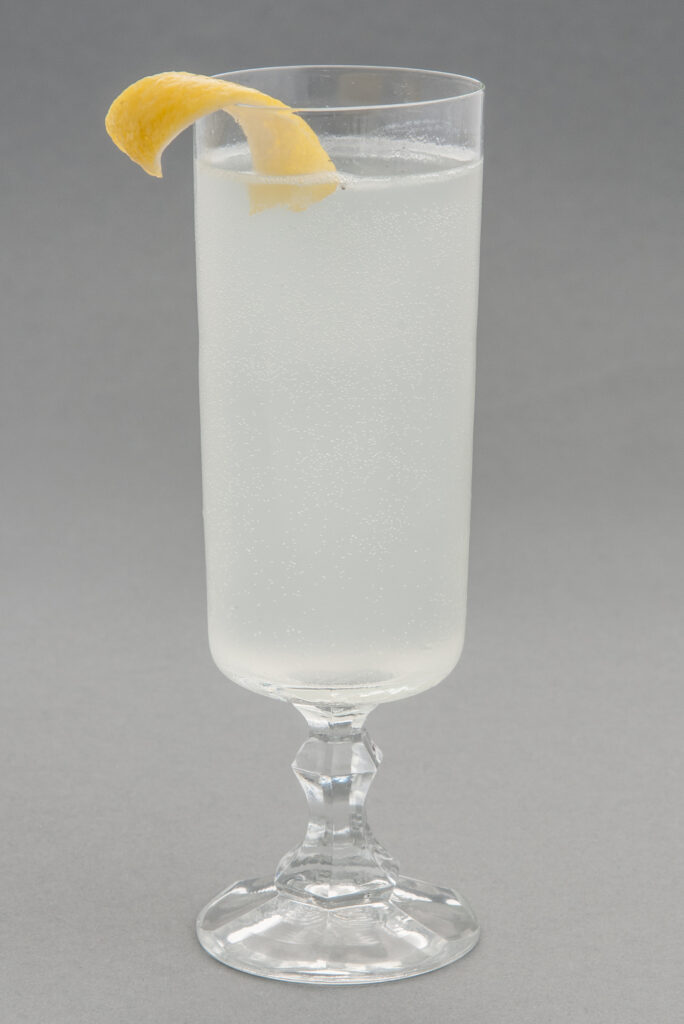
Suffering Bastard
Brandy and gin share a lime-and-bitters base that ginger beer lengthens into a spicy highball.
Brandy and gin share a lime-and-bitters base that ginger beer lengthens into a spicy highball.
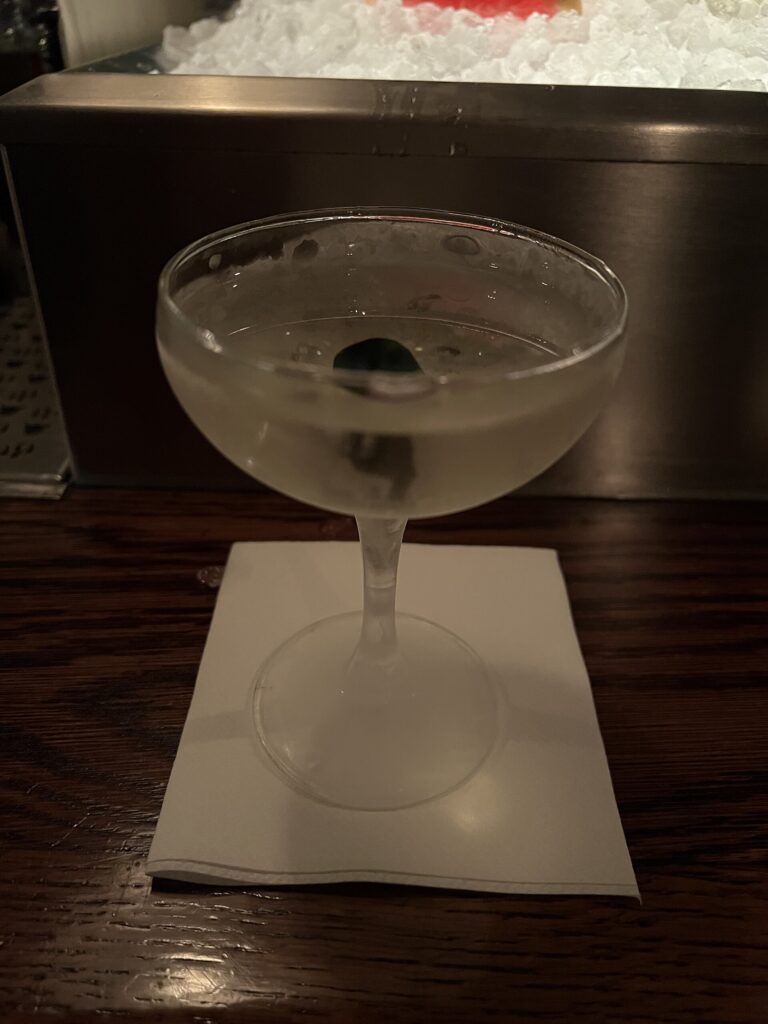
Old Tom gin and dry vermouth meet small maraschino and absinthe accents, plus orange bitters.
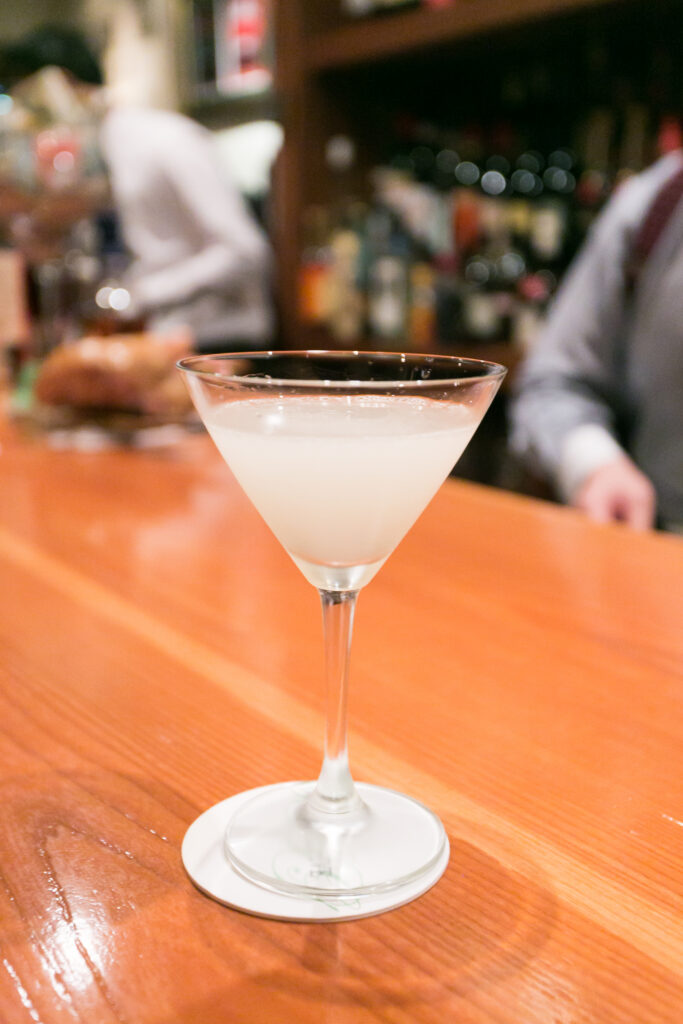
Gin, Lillet, lemon and white cacao combine a bright sour opening with an unexpected cocoa undertone.
Gin and orange liqueur meet lemon in a short daisy; botanical clarity should remain visible through the citrus.

Gin, Lillet and Suze create a pale bitter-aperitif structure whose gentian character differs markedly from Campari.
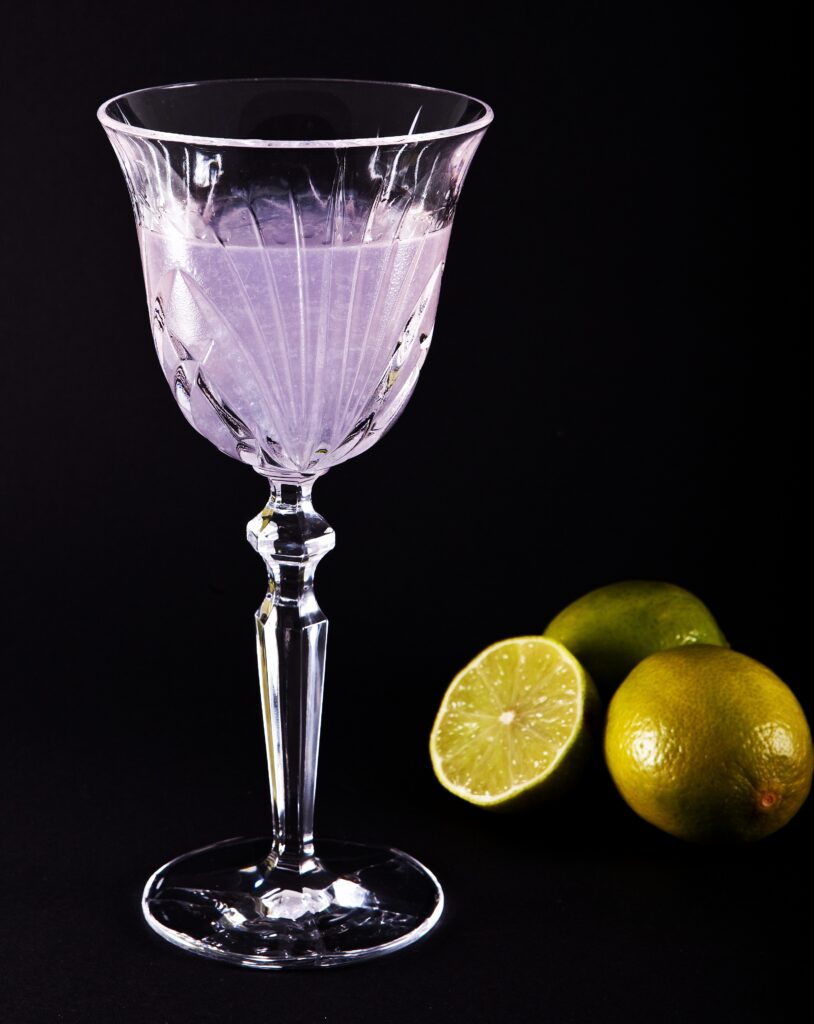
Gin, tart lemon and cherry-kernel notes meet a small floral violet accent; excessive violet can dominate.
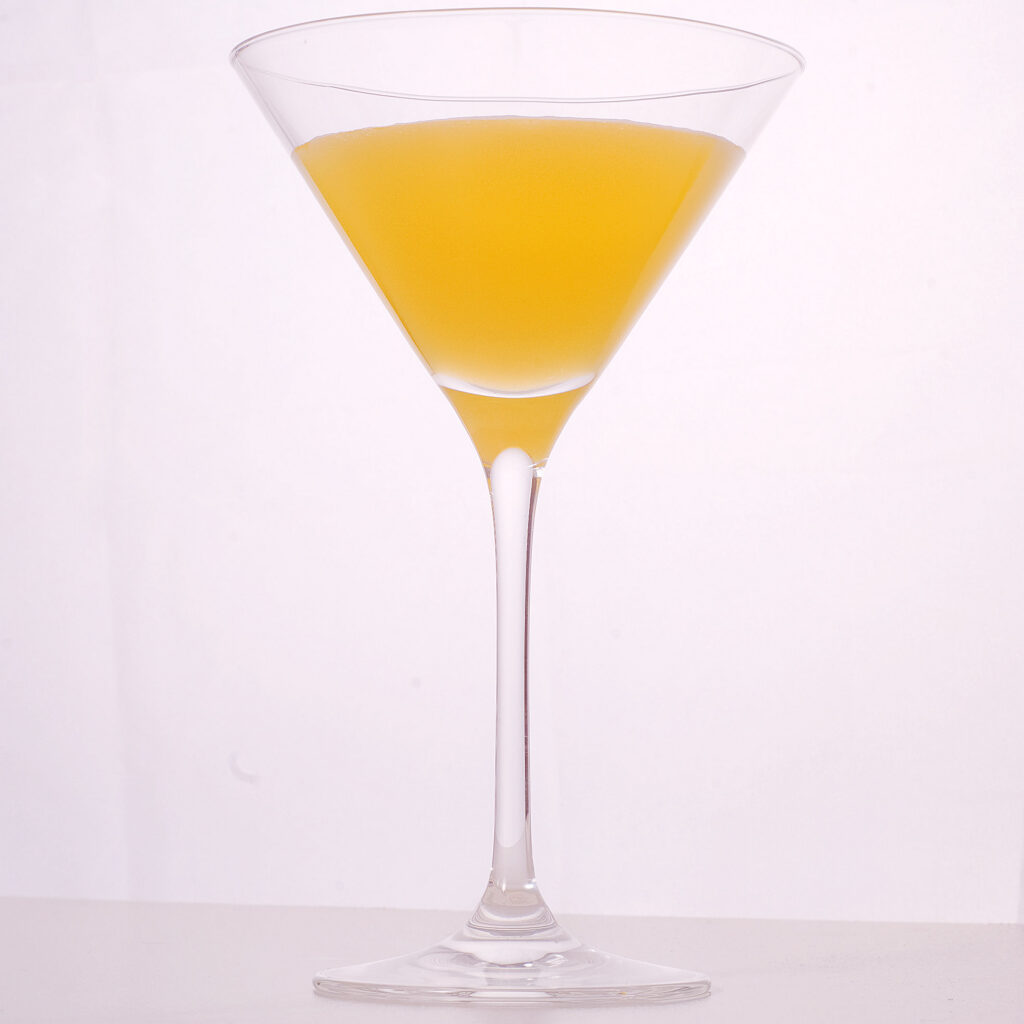
Gin’s botanicals meet Calvados apple character and apricot sweetness in an aromatic, fruit-led short drink.
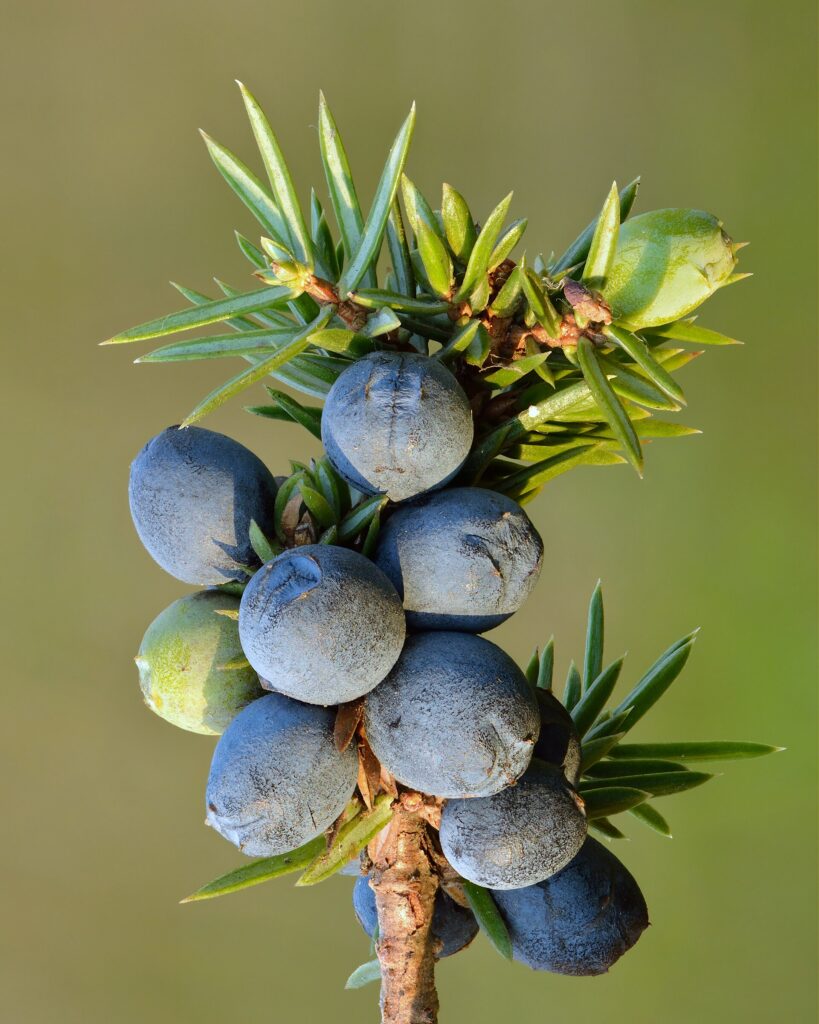
A grain-and-juniper spirit inspired by genever traditions but made outside the relevant protected geographical framework. Depending on the proportion and character of grain distillate, it may be softly cereal-led, robustly malty or relatively light, with juniper and other botanicals providing a second aromatic layer.
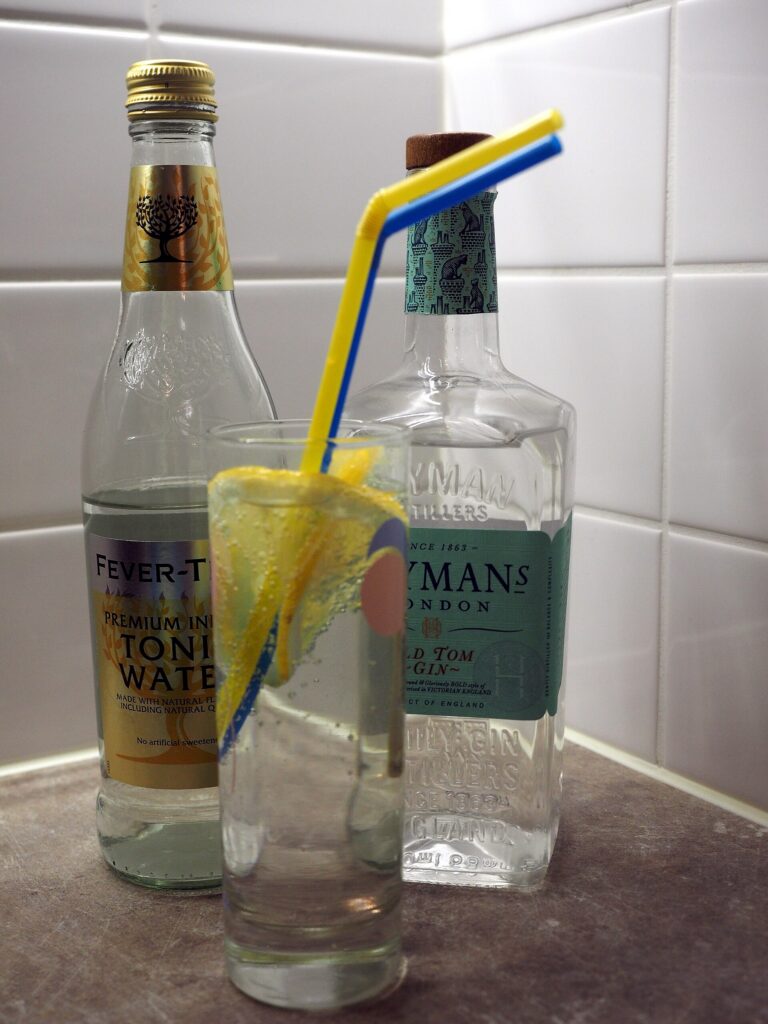
A gin style often associated with a rounded botanical profile and some sweetness, although ADI also includes botanically sweet or particularly intense examples. Wood treatment is optional. The family should not be reduced to a fixed sugar level or a universal barrel-aged appearance.
A high-strength gin whose botanical expression may be concentrated, forceful and persistent. Juniper, citrus and spice can remain vivid after dilution. Higher alcohol is the defining threshold, however, and does not automatically establish greater botanical concentration or better quality.