
Pre-Prohibition Porter

Color
Bitterness
Alcohol
Sweetness
Balance
History
Historical Development
Commercially brewed in Philadelphia during the revolutionary period as an adaptation of English beer. It evolved as German immigrants introduced lager methods during the late 1800s. Prohibition largely eliminated domestic porter brewing except in select northeastern and mid-Atlantic regions.
Modern Evolution
Classic characteristics
Appearance
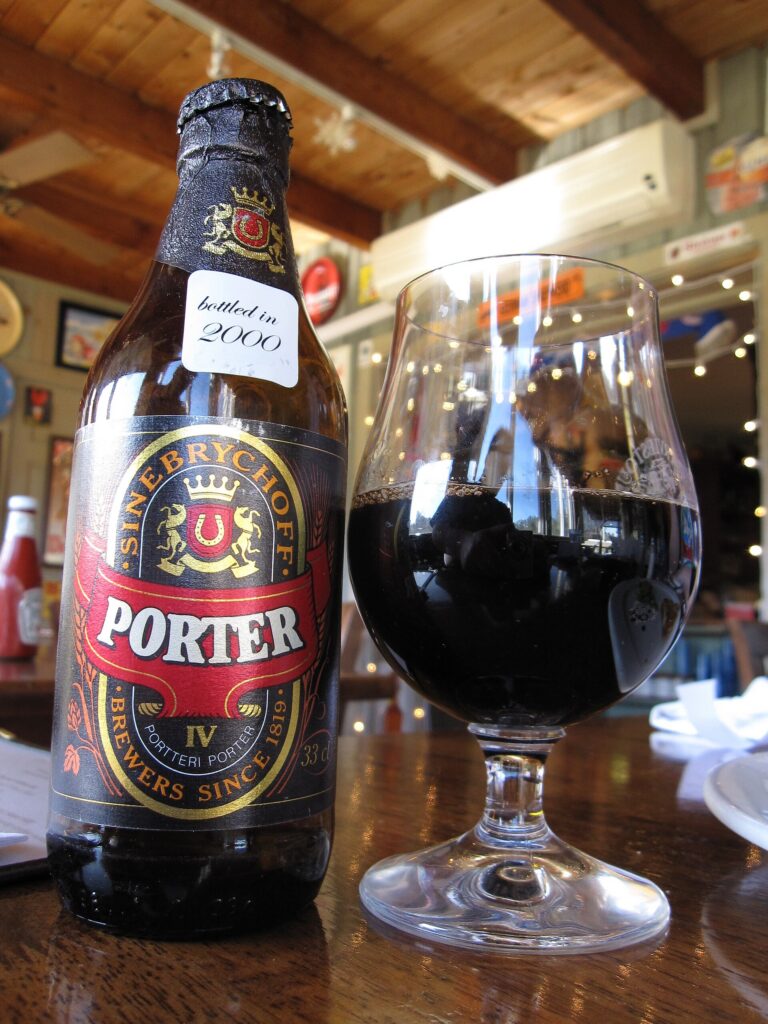
Medium to dark brown, occasionally nearly black, with ruby or mahogany reflections. Maintains clarity with a persistent light to medium tan head.
Aroma
Grainy malt notes with subtle chocolate, caramel, biscuit, burnt sugar, and licorice undertones. Low hop aroma, with corn or DMS acceptable at restrained levels and minimal esters.
Flavor
Moderate grainy-bready malt flavor featuring low levels of chocolate, burnt malt, caramel, and similar notes. Bitterness ranges from medium-low to moderate, with balance typically even between malt and hops and a moderately dry finish.
Mouthfeel
Medium-light to medium body with moderate carbonation. Low to moderate creaminess may be present, potentially accompanied by slight dark malt astringency.
Flavor Profile Deep Dive
Service notes
BJCP designation
Overall Impression: A historical American adaptation of English Porter by German immigrants using American ingredients, including adjuncts.
Comments: Also known as Pennsylvania or East Coast Porter. This style specifically excludes colonial-era products.
Style Comparison: Smoother and less hoppy-bitter than modern American Porter, less caramelly than English versions, and exhibits more adjunct or lager character. Greater bitterness and roast than International Dark Lager.
Vital Statistics: OG: 1.046 – 1.060 | FG: 1.010 – 1.016 | IBUs: 20 – 30 | SRM: 20 – 30 | ABV: 4.5 – 6.0%
Source: BJCP 2021 Style Guidelines, bjcp.org, retrieved 2026-09-13. Vital statistics are as published; descriptive text is condensed from the published guideline.
Brewers Association designation
Style comparison
Ingredients
Grain Bill
Two-row or six-row malt forms the base, with low percentages of dark malts including black, chocolate, and brown varieties. Adjuncts are acceptable, including corn, brewers licorice, molasses, and porterine. Either lager or ale yeast, along with traditional American or German hops.
Brewing process
Food pairings
Spirit pairings
The soundtrack
Keep exploring
- BJCP Guidelines: 27G (Pre-Prohibition Porter)
- Beer Judge Certification Program: BJCP Official Guidelines