
Commercial Examples
Negra Modelo, Dos Equis Oscura, Modelo Especial (dark variants), Foster's Lager (dark variant), many regional Latin American dark lagers

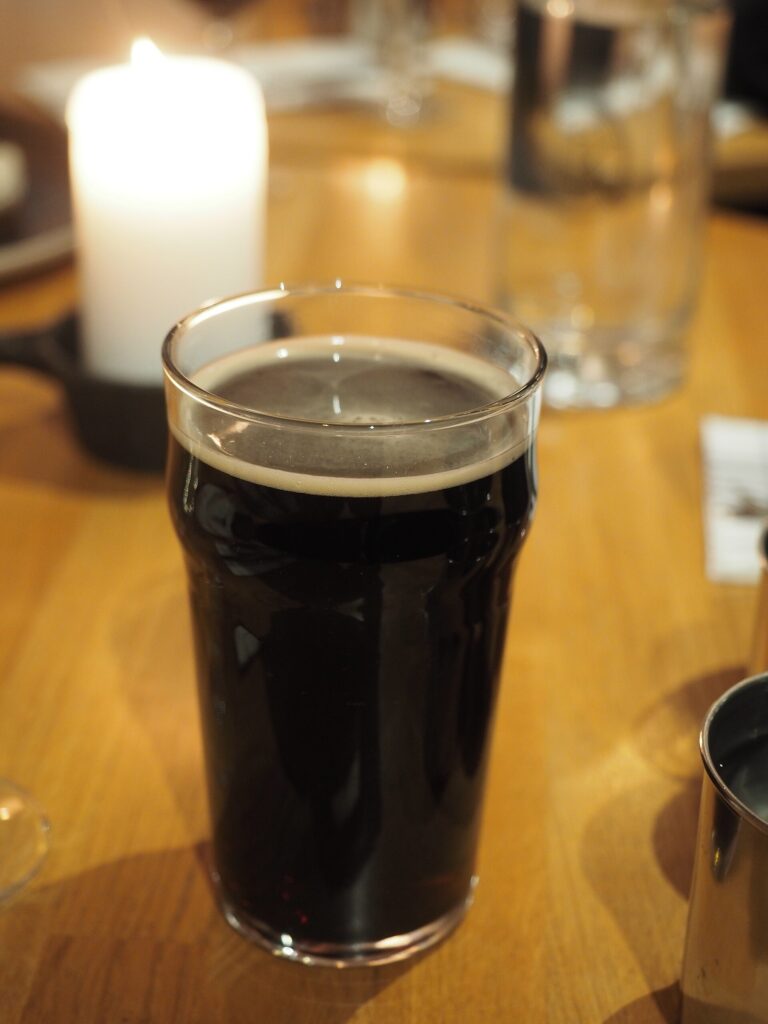
A light-bodied dark lager that emphasizes easy drinking over malt complexity. This international style bridges the gap between Munich Dunkel's malt richness and American Standard Lager's simplicity. Often found in international markets as a darker alternative to pale lagers, utilizing adjuncts and fermentation characteristics that keep the beer refreshing despite its color.
International Dark Lager developed as breweries worldwide sought accessible dark beer styles. Unlike the malt-forward Munich Dunkel, this style prioritizes drinkability and mass appeal, making it suitable for everyday consumption in warm climates.
In America, Bavarian Brewery in St. Louis produced early dark lagers before Anheuser-Busch's dominance. These beers established a tradition of dark lagers accessible to American consumers.
The Spoetzl Brewery in Shiner, Texas produced Shiner Bock starting in 1913, making it one of America's longest-continuously-produced regional dark beers. While technically classified differently, Shiner's heritage represents the International Dark Lager tradition in American brewing.
Today, International Dark Lager represents breweries' pragmatic response to market demands for dark beer without the complexity of traditional styles. The style is particularly popular in Latin America, parts of Asia, and among breweries seeking approachable dark beer.
Dark brown to nearly black color with excellent clarity. Modest tan to brown head with decent retention. Appearance belies the light body within.
Light malt aroma with subtle roasted grain notes. Very minimal hop aroma. Often includes subtle adjunct character. No yeast esters or off-flavors.
Light body with modest malt sweetness. Subtle roasted grain and light chocolate notes. Very little hop bitterness or flavor. Often includes corn or rice adjunct character. Crisp, dry finish despite dark color.
Light, subtle malt sweetness forms the foundation. Grain character dominates, often with adjunct grain contributions. Roasted grain notes are present but restrained, avoiding harshness.
Very clean lager character. No significant esters or yeast character. Adjunct grain notes (corn, rice) may contribute subtle character.
Clean, crisp, dry finish. No lingering sweetness. No significant bitterness. Very refreshing and drinkable.
Serve cold (45-50°F) in a lager glass or casual pilsner glass. Ideal for warm weather or festive occasions.
Overall Impression: A darker and somewhat sweeter version of international pale lager with a little more body and flavor, but equally restrained in bitterness. The low bitterness leaves the malt as the primary flavor element, and the low hop levels provide very little in the way of balance.
Aroma: Little to no malt aroma; may have a light corn character. Medium-low to no roast and caramel malt aroma. Hop aroma may range from none to light spicy or floral hop presence. While a clean fermentation profile is generally most desirable, low levels of yeast character (such as a light apple fruitiness) are not a fault. A light amount of DMS or corn aroma is not a fault.
Appearance: Deep amber to dark brown with bright clarity and ruby highlights. Foam stand may not be long lasting, and is beige to light tan in color.
Flavor: Low to medium malty sweetness with medium-low to no caramel and/or roasted malt flavors (and may include hints of coffee, molasses or cocoa). Hop flavor ranges from none to low levels, and is typically floral, spicy, or herbal. Low to medium hop bitterness. May have a very light fruitiness. Moderately crisp finish. The balance is typically somewhat malty. Burnt or moderately strong roasted malt flavors are a defect.
Mouthfeel: Light to medium-light body. Smooth with a light creaminess. Medium to high carbonation.
Comments: A broad range of international lagers that are darker than pale, and not assertively bitter and/or roasted.
History: Darker versions of International Pale Lagers often created by the same large, industrial breweries and meant to appeal to a broad audience. Often either a colored or sweetened adaptation of the standard pale industrial lager, or a more broadly accessible (and inexpensive) version of more traditional dark lagers.
Characteristic Ingredients: Two- or six-row barley, corn, rice, or sugars as adjuncts. Light use of caramel and darker malts. Commercial versions may use coloring agents.
Style Comparison: Less flavor and richness than Munich Dunkel, Schwarzbier, or other dark lagers. Frequently uses adjuncts, as is typical of other International Lagers.
Vital Statistics: OG: 1.044 – 1.056 IBUs: 8 – 20 FG: 1.008 – 1.012 SRM: 14 – 22 ABV: 4.2 – 6.0%
Commercial Examples: Baltika #4 Original, Devils Backbone Old Virginia Dark, Dixie Blackened Voodoo, Saint Pauli Girl Dark, San Miguel Dark, Session Black Dark Lager, Shiner Bock
German Pilsner malt as base (60-70%), with Munich or Vienna malt (15-20%) for color and modest malt character. Small amounts of roasted malts (2-5%) for color without excessive roast character. Adjuncts (corn, rice) often comprise 10-20% for lightness.
Minimal hopping with traditional lager varieties. Bittering hops kept restrained (8-20 IBU). No flavor or aroma hops typically used.
Clean lager yeast with moderate attenuation. German or Czech lager strains common, though breweries may select for specific flavor contributions.
Soft to moderately sulfated water typical of international brewing regions. No extreme mineral profiles required.
Single infusion mash around 149-153°F to maintain light body while extracting subtle malt character.
Standard cool lager fermentation followed by lagering period (2-4 weeks minimum). The goal is clean, crisp character rather than complex maturation.
At the Pub: Soft Pretzel and Mustard Takeout: Fried chicken, french fries Casual date: Pizza
Mild to moderate cheeses, fresh mozzarella
Grilled fish, light poultry, tacos, Latin American cuisine, casual grilled foods
Light fruit-based desserts, vanilla-based treats
Vermont Common
New: Sun Kil Moon, Ghosts of the Great Highway Old: Mendelssohn, Songs without Words
Negra Modelo, Dos Equis Oscura, Modelo Especial (dark variants), Foster's Lager (dark variant), many regional Latin American dark lagers