Black Flannel Academy

Gose

central-europe ยท pale-color ยท session-strength ยท Sour ยท Traditional style ยท wheat-beer-family ยท wild-fermented
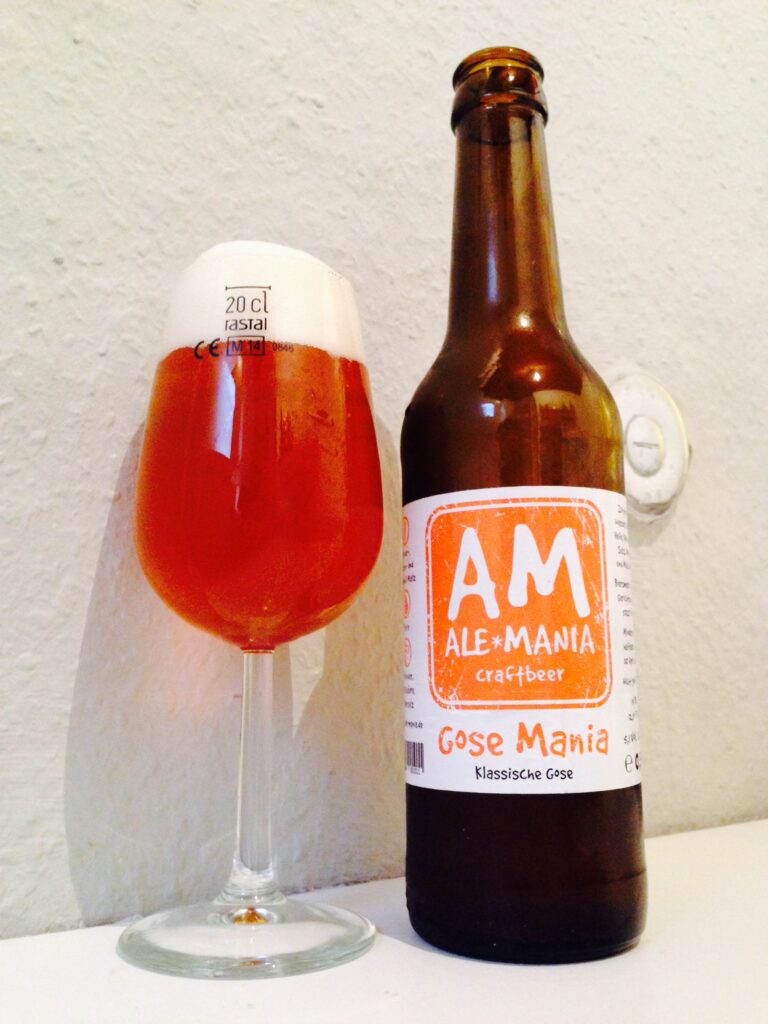
Ale-Mania Gose Mania
Pictured: Ale-Mania Gose Mania. Photo: Dtuk / Wikimedia Commons ยท CC BY-SA 3.0. Display crops and resized versions are available under the same license.

The Gose is a unique German wheat beer with salt and coriander, producing a refreshing, slightly sour, and strikingly sessionable beer. Once nearly extinct, the style has undergone a remarkable modern revival, driven by craft brewers' fascination with historical recipes and techniques.

Color

3 – 4 SRM

Bitterness

5 – 12 IBU

Alcohol

4.2 – 4.8% ABV

Sweetness

Balance

The balance is delicateโ€”none of the three elements should dominate.

History

Historical Development

The Gose traces its origins to the town of Goslar in northern Germany, documented as early as 1181. The beer achieved its peak popularity in Leipzig during the 1470s, becoming central to the city's brewing culture. However, the style faced devastating challengesโ€”the Thirty Years War (1618-1648) disrupted brewing, and subsequent Napoleonic Wars and a major fire in 1780 nearly eliminated Gose production entirely.

By the mid-20th century, Gose had virtually disappeared, with production concentrated at a single Leipzig brewery. The style faced complete extinction until the 1970s, when brewer Lothar Goldhahn revived production. The real modern revival accelerated in 1999 when Thomas Schneider opened the Bayerischer Bahnhof in Leipzig, focusing on Gose and other historical German styles.

Geographic Origin

Goslar, Germany (the namesake) and Leipzig are the historic homes of this style. The modern revival centers in Leipzig, though contemporary craft brewers worldwide have adopted Gose.

Modern Evolution

Contemporary Gose production often includes fruit additions (lemon, lime, berries) that weren't traditional but have become common in modern interpretations. The core traditionโ€”salt, coriander, lactobacillus sournessโ€”remains consistent, though expression varies widely.

Classic characteristics

Appearance

Pale straw to pale gold color, typically very pale and clear. White head with good retention. The appearance is deceptively light and refreshing, belying the complexity within.

Aroma

Slightly fruity wheat beer aroma balanced with coriander notes and a subtle salty character. Some versions show lactic acid sourness in the aroma. Light and refreshing, inviting.

Flavor

Distinctive combination of wheat beer character, subtle lactic acid sourness (gentle, not vinegary), salt providing mineral character and a slight savory note, and coriander adding herbal and slightly floral notes. The balance is delicateโ€”none of the three elements should dominate. Clean ale fermentation character with little hop flavor.

Mouthfeel

  • ABV: 4.2-4.8%
  • Body: Light to medium
  • Carbonation: Moderate to high
  • Finish: Crisp, refreshing, slightly tart

Flavor Profile Deep Dive

Primary Flavors

Wheat beer bread character balanced against subtle lactic sourness, salt providing mineral notes and slight savory character, and coriander adding herbal and floral complexity. The interplay of these elements defines the style.

Secondary Flavors

Subtle fruit esters from wheat fermentation, slight yeast spice, hints of herbal complexity from coriander.

Aftertaste

Crisp and refreshing with lingering mineral/salt character and subtle sourness. The finish is clean and inviting for another sip.

Service notes

Serve very cold (38-42ยฐF) in a tall, slender glass or traditional Gose glass. This is a summer beer, refreshing and food-friendly. The slight sourness and salt make it exceptional with seafood.

BJCP designation

Overall Impression: A highly-carbonated, tart and fruity wheat ale with a restrained coriander and salt character and low bitterness. Very refreshing, with bright flavors and high attenuation.

Aroma: Light to moderately fruity aroma of pome fruit. Light sourness, slightly sharp. Noticeable coriander, which can have an aromatic lemony quality, and an intensity up to moderate. Light bready, doughy, yeasty character like uncooked sourdough bread. The acidity and coriander can give a bright, lively impression. The salt may be perceived as a very light, clean sea breeze character or just a general freshness, if noticeable at all.

Appearance: Unfiltered, with a moderate to full haze. Moderate to tall sized white head with tight bubbles and good retention. Effervescent. Medium yellow color.

Flavor: Moderate to restrained but noticeable sourness, like a squeeze of lemon in iced tea. Moderate bready/doughy malt flavor. Light to moderate fruity character of pome fruit, stone fruit, or lemons. Light to moderate salt character, up to the threshold of taste; the salt should be noticeable (particularly in the initial taste) but not taste overtly salty. Low bitterness, no hop flavor. Dry, fully-attenuated finish, with acidity not hops balancing the malt. Acidity can be more noticeable in the finish, and enhance the refreshing quality of the beer. The acidity should be balanced, not forward (although historical versions could be very sour).

Mouthfeel: High to very high carbonation, effervescent. Medium-light to medium-full body. Salt may give a slightly tingly, mouthwatering quality, if perceived at all. The yeast and wheat can give it a little body, but it shouldn't have a heavy feel.

Comments: Served in traditional cylindrical glasses. Historical versions may have been more sour than modern examples due to spontaneous fermentation, and may be blended with syrups as is done with Berliner Weisse, or Kummel, a liqueur flavored with caraway, cumin, and fennel. Modern examples are inoculated with lactobacillus, and are more balanced and generally don't need sweetening. Pronounced GOH-zeh.

History: Minor style associated with Leipzig but originating in the Middle Ages in the town of Goslar on the Gose River. Documented to have been in Leipzig by 1740. Leipzig was said to have 80 Gose houses in 1900. Production declined significantly after WWII, and ceased entirely in 1966. Modern production was revived in the 1980s, but the beer is not widely available.

Characteristic Ingredients: Pilsner and wheat malt, restrained use of salt and coriander seed, lactobacillus. The coriander should have a fresh, citrusy (lemon or bitter orange), bright note, and not be vegetal, celery-like, or ham-like. The salt should have a sea salt or fresh salt character, not a metallic, iodine note.

Style Comparison: Perceived acidity is not as intense as Berliner Weisse or Gueuze. Restrained use of salt, coriander, and lactobacillus – should not taste overtly salty. Coriander aroma can be similar to a witbier. Haziness similar to a Weissbier.

Vital Statistics: OG: 1.036 – 1.056 IBUs: 5 – 12 FG: 1.006 – 1.010 SRM: 3 – 4 ABV: 4.2 – 4.8%

Commercial Examples: Anderson Valley Gose, Bayerisch Bahnhof Leipziger Gose, Dollnitzer Ritterguts Gose

Brewers Association designation

  • Leipzig-Style Gose
    • Color: Straw to light amber
    • Clarity: Clear to hazy. Haze may or may not be from yeast.
    • Perceived Malt Aroma & Flavor: Malt sweetness and attributes are not present to very low
    • Perceived Hop Aroma & Flavor: Not present
    • Perceived Bitterness: Not present to low
    • Fermentation Characteristics: Medium to high lactic acid character should be present and expressed as a sharp, refreshing sourness. These beers are not excessively aged.
    • Body: Low to medium-low
    • Additional notes: These beers typically contain malted barley and unmalted wheat, with some versions also containing oats. Salt (table salt) and coriander may be present in low amounts, or may be absent.
  • Original Gravity (ยฐPlato) 1.036-1.056(9-13.8 ยฐPlato) – Apparent Extract/Final Gravity (ยฐPlato) 1.008-1.012(2.1-3.1 ยฐPlato) – Alcohol by Weight (Volume) 3.5%-4.3%(4.4%-5.4%) – Bitterness (IBU) 5-15 – Color SRM (EBC) 2-7(4-14 EBC)

Style comparison

Parent Categories

  • Berliner Weisse (29A) – similar acidity but more sour
  • Lambic (23A) – more complex acidity from spontaneous fermentation

Variant Styles

  • Berliner Weisse (more acidic)
  • Witbier (coriander similarity but no salt)

Similar Styles

  • Berliner Weiss (6B) – less salty, more sour
  • Witbier (Belgian cousin with different spicing)
  • Pale Ale (modern fruit-forward Gose variations)

Ingredients

Grain Bill

50% wheat malt, 50% pale ale malt (or similar proportions). The wheat provides the bread-like, slightly sweet base. Some versions use minimal malt adjuncts.

Hops

Very light hopping (5-12 IBU) using noble varieties. Hops should provide balance with minimal flavor contribution.

Yeast

German ale yeast combined with Lactobacillus cultures for lactic acid sourness. The balance between yeast fermentation and lactobacillus activity is criticalโ€”the sourness should be subtle (not vinegary), achieved through controlled lactobacillus exposure.

Water Profile

Soft water is traditional. The salt addition (typically 5-15 grams per 5-gallon batch) and natural salinity from the spring waters of Goslar influence the character.

Brewing process

Mash Profile

Single infusion mash, often incorporating a protein rest to break down wheat proteins.

Fermentation

Initial fermentation at moderate ale temperatures (65-75ยฐF), often followed by lactobacillus inoculation or exposure to achieve the characteristic sourness. Some breweries ferment with mixed cultures from the start.

Food pairings

At the pub: Kale Caesar or Grilled Endive Salad Takeout: Fried foods, especially fish Cheese pairing: Funky camembert with grilled sourdough

Cheese

Funky camembert with grilled sourdough, fresh cheese, mild aged cheddar

Meat & Seafood

Cured meats, seafood (especially oysters), grilled fish, salty preparations

Desserts

Light fruit desserts, citrus-based preparations, salty-sweet preparations

Spirit pairings

Dutch Soul

The soundtrack

New: Regina Spektor Old: Bach, The Coffee Cantata

Keep exploring

Commercial Examples

Bayerischer Bahnhof Gose, Westbrook Gose, Anderson Valley The Gose, Evil Twin Gose, Ommegang Gose, Against the Grain Coney Island Lager (similar salty concept)

Beer Cocktail Recipe

Goserita

Ingredients:

4 ounces Gose
1 ounce Agave Dream (or tequila)
1 ounce lime juice
Sugar for the rim (the beer takes care of the usual salted rim)
Lime wedge for garnish

Directions:

Mix Agave Dream and Lime juice in a cocktail mixer with ice. Coat rim of a margarita glass with sugar (a variation on the typical salt rim since this beer already has salt in it) and strain into a margarita glass. Top with Gose, then garnish with lime wedge on a cocktail spear.

Return to all beer styles

Scroll to Top