Black Flannel Academy

German Leichtbier

bitter ยท bottom-fermented ยท central-europe ยท hoppy ยท lagered ยท pale-color ยท pale-lager-family ยท session-strength ยท Traditional style
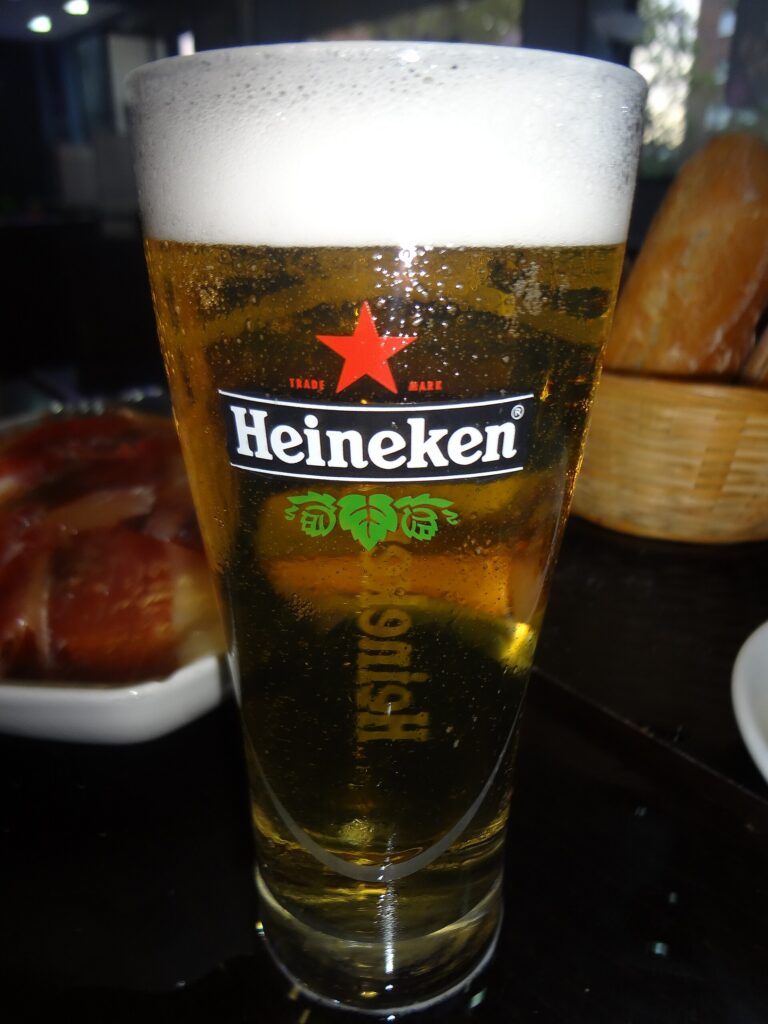
Heineken in a Madrid tapas bar
Visual reference: Heineken in a Madrid tapas bar. Not a confirmed example of German Leichtbier. Photo: David Adam Kess / Wikimedia Commons ยท CC BY-SA 4.0. Display crops and resized versions are available under the same license.

A pale, refreshing, low-calorie German lager brewed with pale malt and minimal hopping. Despite being categorized as "light beer," it maintains genuine beer character with clean malt flavor. This modern style emerged as German breweries responded to American light beer competition while maintaining their brewing traditions.

Color

2 – 5 SRM

Bitterness

15 – 28 IBU

Alcohol

2.4 – 3.6% ABV

Sweetness

Light, clean malt flavor with subtle sweetness.

Balance

Restrained noble hop bitterness and subtle floral notes.

History

Historical Development

German Leichtbier developed in response to the American light beer phenomenon that began in the 1970s. Rather than abandon their brewing heritage, German brewers sought to create a lower-alcohol, lower-calorie alternative that retained authentic beer character. The style represents a pragmatic adaptation to market pressures while maintaining German brewing standards.

Key Historical Figure: Joseph Owades

The enzymatic technique that enables German Leichtbier's low residual gravity was pioneered by Joseph Owades in the 1960s. He developed the use of amyloglucosidase enzyme to break down longer-chain starches into fermentable sugars, achieving greater attenuation. When Miller Lite acquired the rights to this technology, American light beer became a commercial juggernaut. German breweries adopted similar enzymatic techniques to create their own "Leicht" beers.

Cultural Context

In Germany, Leichtbier served a distinct purpose from American light beersโ€”not primarily a marketing gimmick, but a genuine low-alcohol option for workers and those seeking refreshment without high ABV. The historical context of German workers' beers provided legitimacy to the category that American light beer lacked.

Modern Evolution

Today, German Leichtbier occupies an interesting space: it is simultaneously a response to global beer trends and a modern expression of German brewing tradition. Quality-conscious German breweries treat Leichtbier with the same precision applied to their full-strength lagers.

Classic characteristics

Appearance

Pale straw to pale golden color with excellent clarity. White to pale foam head with good retention. Bright and inviting appearance.

Aroma

Light, clean malt aroma with subtle noble hop character. Very restrained hop aroma. No yeast esters or off-flavors. Minimal aromatics overall.

Flavor

Light, clean malt flavor with subtle sweetness. Crisp, dry finish. Restrained noble hop bitterness and subtle floral notes. Very clean lager character with no off-flavors.

Mouthfeel

  • ABV: 2.4-3.6%
  • Body: Light
  • Carbonation: Medium to high
  • Finish: Crisp, dry, refreshing

Flavor Profile Deep Dive

Primary Flavors

Soft, subtle malt flavor forms the foundation. The sweetness is restrained due to enzymatic breakdown of starches. Light, refreshing character dominates.

Secondary Flavors

Minimal esters or yeast character. Very clean lager profile. The enzyme technique ensures clean fermentation with no fruitiness.

Aftertaste

Crisp, clean, dry finish. No residual sweetness or cloying character. Very light alcohol warmth.

Service notes

Serve cold (45-48ยฐF) in a pilsner or tall glass. Ideal for warm weather drinking or when multiple beers are anticipated.

BJCP designation

Overall Impression: A pale, highly-attenuated, light-bodied German lager with lower alcohol and calories than normal-strength beers. Moderately bitter with noticeable malt and hop flavors, the beer is still interesting to drink.

Aroma: Low to medium hop aroma, with a spicy, herbal, or floral character. Low to medium-low grainy-sweet or slightly crackery malt aroma. Clean fermentation profile.

Appearance: Straw to pale gold in color. Brilliant clarity. Moderate white head with average to below average persistence.

Flavor: Low to medium grainy-sweet malt flavor initially. Medium hop bitterness. Low to medium hop flavor, with a spicy, herbal, or floral quality. Clean fermentation character, well-lagered. Dry finish with a light malty and hoppy aftertaste.

Mouthfeel: Light to very light body. Medium to high carbonation. Smooth, well-attenuated.

Comments: Marketed primarily as a diet-oriented beer with lower carbohydrates, alcohol, and calories. Pronounced "LYESHT-beer." May also be known as a Diat Pils or Helles, this style is in the schankbier gravity class. Other variations of Leicht class beers can be made from Weissbier, Kolsch, and Altbier; those beers are best entered in the Mixed-Style Beer category.

History: Traditional versions existed as drinks for physical laborers in factories or fields, but modern versions are more based on popular American products in the same class.

Characteristic Ingredients: Similar to a German Pils or Helles, continental Pils malt, German lager yeast, Saazer-type hops.

Style Comparison: Like a lower-alcohol, lighter-bodied, slightly less aggressive German Pils or Helles.

Vital Statistics: OG: 1.026 – 1.034 IBUs: 15 – 28 FG: 1.006 – 1.010 SRM: 2 – 5 ABV: 2.4 – 3.6%

Commercial Examples: Beck's Light, Bitburger Light, Mahr's Leicht, Paulaner Munchner Hell Leicht, Paulaner Premium Leicht

Brewers Association designation

  • German-Style Leichtbier
    • Color: Straw to pale
    • Clarity: Appearance should be clear. Chill haze should not be present
    • Perceived Malt Aroma & Flavor: Low to medium
    • Perceived Hop Aroma & Flavor: Low to medium
    • Perceived Bitterness: Medium
    • Fermentation Characteristics: Fruity esters and diacetyl should not be present. Very low levels of sulfur-related compounds are acceptable.
    • Body: Very low
  • Original Gravity (ยฐPlato) 1.026-1.034(6.6-8.5 ยฐPlato) – Apparent Extract/Final Gravity (ยฐPlato) 1.006-1.010(1.5-2.6 ยฐPlato) – Alcohol by Weight (Volume) 2.0%-2.9%(2.5%-3.7%) – Bitterness (IBU) 16-24 – Color SRM (EBC) 2-4(4-8 EBC)

Style comparison

Parent Categories

Similar Styles

  • American Light Lager (4B) – American interpretation with different brewing traditions
  • Session Lager – modern craft equivalent

Historical Context

  • Standard German Lagers (4B-5C range) – full-strength versions

Ingredients

Grain Bill

German Pilsner malt as primary base (95-100%), with optional small additions of Munich or Vienna malt for subtle depth. Quality German base malts are essential for authentic character.

Hops

Noble hop varieties (Hallertau, Tettnanger, Saaz) used minimallyโ€”primarily for bittering, with restrained flavor additions. The goal is crisp, clean finish without assertive hop character.

Yeast

Clean, attenuative lager yeast. German lager strains preferred for authentic character. The yeast selection influences the final dryness.

Water Profile

Soft to moderately mineralized water typical of German regions. Avoid overly sulfate-rich water that might create harsh finish in such a delicate beer.

Brewing process

Mash Profile

Single infusion mash around 149-152ยฐF to achieve proper balance between body and fermentability. Higher mash temperatures should be avoided to maintain lightness.

Fermentation & Special Techniques

Cool fermentation followed by lagering at near-freezing temperatures. Amyloglucosidase enzyme may be added to mash or fermenter to achieve extra attenuation beyond normal yeast fermentation. This enzymatic approach differentiates Leichtbier from naturally low-gravity lagers.

Food pairings

At the pub: Pretzel with pub mustard Also at the pub: Smash Burger with Thrice Cooked Chips Takeout: Pizza

Cheese

Light cheeses, fresh mozzarella, mild goat cheese

Meat & Seafood

Light poultry dishes, grilled fish, salads with protein, light appetizers

Desserts

Light fruits, gelato, lemon-based desserts

Spirit pairings

Barrel Aged Agave Dream

The soundtrack

New: Beck, Mellow Gold Old: Scarlatti, The Piano Sonatas

Keep exploring

Commercial Examples

Kulmbacher Light, Paulaner Light, Spaten Light, Bitburger Light, Krombacher Leicht

Beer Cocktail Recipe

"Louisville Boilermaker"

Ingredients:

12 oz German Leichtbier
1.5 oz. of bourbon or rye whiskey
Lemon/Lime Soda: 7-up, Sprite, or Sparkling Ice Lemon Lime
Lemon (garnish)

Directions:

In a pint glass, pour beer at an angle to eliminate head. Add 1.5 oz. of bourbon or rye. Top with Lemon/Lime Soda. Garnish with lemon wedge.

Return to all beer styles

Scroll to Top