Black Flannel Academy

American Light Lager

bottom-fermented ยท crushable ยท lagered ยท Light ยท new world ยท north-america ยท pale-color ยท Traditional style
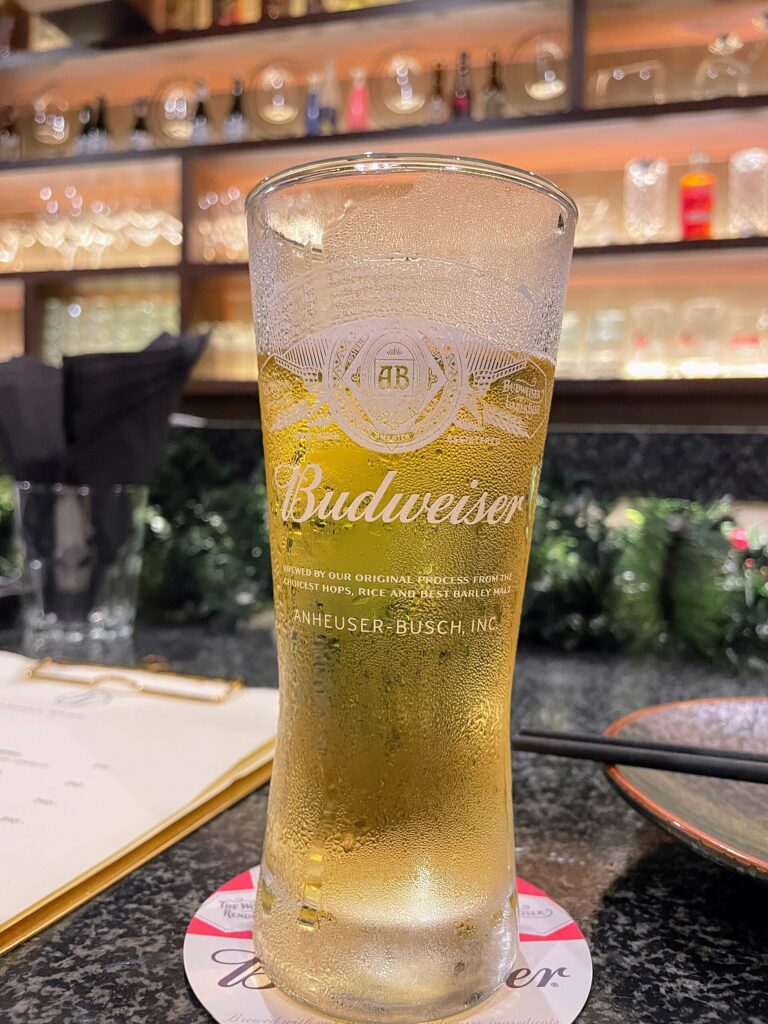
Budweiser served in a glass โ€” illustrative beer photograph
Visual reference: Budweiser served in a glass. Not a confirmed example of American Light Lager. Photo: Amin / Wikimedia Commons ยท CC BY-SA 4.0. Display crops and resized versions are available under the same license.

A pale, light-bodied, highly carbonated lager with minimal flavor, aroma, and body. American Light Lager is a deliberately engineered beer designed for maximum refreshment, minimal aftertaste, and extreme drinkability through the use of extensive adjuncts and high attenuation. It is fundamentally a product of 1970s marketing and industrial brewing technology.

Color

2 – 3 SRM

Bitterness

8 – 12 IBU

Alcohol

2.8% – 4.2% ABV

Sweetness

Extremely dry from high attenuation, minimal residual sweetness.

Balance

Minimal bitterness (often imperceptible).

History

Historical Development

American Light Lager emerged in 1973 when Miller Brewing Company launched Miller Lite with the slogan "Tastes Great, Less Filling." The beer was engineered as a lighter alternative to mainstream American lagers, targeting consumers concerned about caloric intake and weight. Rather than simply making a lighter beer through reduced grain usage, Miller Lite achieved its low calories through a combination of techniques: high adjunct content (corn and rice), extended mashing procedures, and specialized yeast strains that produced extreme attenuation.

The style became a massive commercial success, not because it tasted better than other beers, but because it perfectly matched marketing messaging to consumer psychology. The "Less Filling" concept appealed to health-conscious drinkers, while the engineering ensured a beer that could be consumed in quantity without heaviness or flavor fatigue.

The style represents the apex of industrial brewing optimizationโ€”a beer engineered not for flavor but for marketability and industrial efficiency. It has become the best-selling beer style in America, dominating sales through massive marketing expenditures rather than quality differentiation.

Geographic Origin

American Light Lager originated at the Miller Brewing Company, based in Milwaukee, Wisconsin. While Miller Lite pioneered the category, it is now brewed by virtually every major American brewery and many international breweries.

Modern Evolution

Light Lagers continue to dominate American beer sales, though the market has begun to fragment as craft beer and other styles gain market share. Modern examples are virtually indistinguishable from each other, having been engineered to near-identical specifications.

Classic characteristics

Appearance

Very pale, straw-yellow to pale yellow color. Crystal clear with excellent clarity. Sparse, thin white head that dissipates quickly. Light body apparent from minimal movement in the glass.

Aroma

Virtually no aroma. Slight grain aroma at best. No hop aroma. No notable characterโ€”minimal odor is a feature of the style, not a defect.

Flavor

Virtually no flavor. Extremely dry from high attenuation, minimal residual sweetness. Minimal malt flavor beyond very subtle grain character. Minimal bitterness (often imperceptible). Carbonation is the primary sensationโ€”high carbonation creates mouth-tingling bite that is often the only sensory experience. Finish is absentโ€”minimal lingering flavor.

Mouthfeel

  • ABV: 2.8-4.2%
  • Body: Very Light
  • Carbonation: High
  • Finish: Crisp, clean, absent

Flavor Profile Deep Dive

Primary Flavors

The primary characteristic is absence of flavor. The engineering goal is to create a beer where carbonation is the primary sensation and where no flavor element dominates or lingers.

Secondary Flavors

Virtually none. Subtlety is taken to the extreme where even subtle notes are engineered out.

Aftertaste

Absent or nearly absent. This is a featureโ€”the goal is no lingering aftertaste that might prevent rapid consumption or interfere with drinking quantity.

Service notes

Serve ice-cold (35-40ยฐF) in a light beer glass or standard pint. Consumption should be rapid, as the beer has minimal flavor to warrant contemplation. Often served in a can or bottle to maintain extreme cold temperature.

BJCP designation

Overall Impression: Highly carbonated, very light-bodied, nearly flavorless lager designed to be consumed very cold. Very refreshing and thirst quenching.

Appearance: Very pale straw to pale yellow color. White, frothy head seldom persists. Very clear.

Aroma: Low to no malt aroma, although it can be perceived as grainy, sweet, or corn-like if present. Hop aroma is light to none, with a spicy or floral hop character if present. While a clean fermentation character is desirable, a light amount of yeast character (particularly a light apple fruitiness) is not a fault. Light DMS is not a fault.

Flavor: Relatively neutral palate with a crisp and dry finish and a low to very low grainy or corn-like flavor that might be perceived as sweetness due to the low bitterness. Hop flavor ranges from none to low levels, and can have a floral, spicy, or herbal quality (although rarely strong enough to detect). Low to very low hop bitterness. Balance may vary from slightly malty to slightly bitter, but is relatively close to even. High levels of carbonation may accentuate the crispness of the dry finish. Clean lager fermentation character.

Mouthfeel: Very light (sometimes watery) body. Very highly carbonated with slight carbonic bite on the tongue.

Comments: Designed to appeal to as broad a range of the general public as possible. Strong flavors are a fault.

History: Coors briefly made a light lager in the early 1940s. Modern versions were first produced by Rheingold in 1967 to appeal to diet-conscious drinkers, but only became popular starting in 1973 after Miller Brewing acquired the recipe and marketed the beer heavily to sports fans with the "tastes great, less filling" campaign. Beers of this genre became the largest sellers in the United States in the 1990s.

Characteristic Ingredients: Two- or six-row barley with high percentage (up to 40%) of rice or corn as adjuncts. Additional enzymes can further lighten the body and lower carbohydrates.

Style Comparison: A lighter-bodied, lower-alcohol, lower calorie version of an American Lager. Less hop character and bitterness than a Leichtbier.

Vital Statistics: OG: 1.028 – 1.040 IBUs: 8 – 12 FG: 0.998 – 1.008 SRM: 2 – 3 ABV: 2.8% – 4.2%

Commercial Examples: Bud Light, Coors Light, Keystone Light, Michelob Light, Miller Lite, Old Milwaukee Light.

Brewers Association designation

American-Style Light Lager

Color: Very light to pale

Clarity: Chill haze should not be present

Perceived Malt Aroma & Flavor: Very low

Perceived Hop Aroma & Flavor: Absent to very low

Perceived Bitterness: Absent to very low

Fermentation Characteristics: Fruity esters are usually absent, but may be present at very low levels. Diacetyl should not be present. Corn, rice, or other grain or sugar adjuncts are often used. These beers are characterized by an extremely high degree of attenuation. Final gravity is often less than 1.000 (0 Plato).

Body: Low with dry mouthfeel

Additional Notes: These beers are high in carbonation. Flavor attributes typical of beer are usually very low when present. Calories should not exceed 125 per 12-ounce serving. Low carb beers should have a maximum carbohydrate level of 3.0 gm per 12 oz. (356 ml).

Original Gravity (Plato) 1.024-1.040 (6.1-10 Plato) – Apparent Extract/Final Gravity (Plato) 0.992-1.008 (minus 2.1-2.1 Plato) – Alcohol by Weight (Volume) 2.8%-3.5% (3.5%-4.4%) – Hop Bitterness (IBU) 4-10 – Color SRM (EBC) 1.5-4 (3-8 EBC)

Style comparison

Parent Categories

Variant Styles

  • Ice Lager – Higher alcohol version
  • Dry Beer – Lower residual carbohydrates variant

Similar Styles

  • International Pale Lager (2A) – Similar but with slightly more body and flavor
  • American Standard Lager (1B) – Fuller, more flavorful

Ingredients

Grain Bill

Six-row barley malt base (40-50%), with extensive adjuncts including corn (30-40%) and rice (10-20%). These adjuncts reduce body and flavor while improving head retention through their high protein content relative to their flavor contribution.

Hops

Noble or conventional bittering hops at very low levels, primarily for IBU contribution rather than flavor. No aroma or flavor hops used.

Yeast

Lager yeast selected for extremely high attenuation, often specialized strains developed for light lager production.

Water Profile

Soft water preferred, as mineral content can create off-flavors in such a minimal-flavor beer.

Brewing process

Mash Profile

Extended mashing procedures (often called "high-yield" mashing) at multiple temperature rests to maximize fermentability and minimize residual sweetness. Some breweries use special enzyme treatments to further increase attenuation.

Fermentation

Cool fermentation (50-55ยฐF) with specialized yeast. Post-fermentation, beers are often subjected to additional processing including centrifugation, filtration, and sometimes even reverse osmosis to further reduce flavor and body.

Food pairings

At the Pub: Soft Pretzel and Mustard

Takeout: Veggie street tacos, light on spices

Casual date: Ballpark hot dogs at Fenway

Cheese

Light, fresh cheeses; beer is too subtle to pair meaningfully

Meat & Seafood

Light fare, grilled fish, chicken; beer provides refreshment rather than pairing

Desserts

Not traditionally paired with desserts

Other Pairings

Best consumed ice-cold as a refreshment during activities (sports events, outdoor gatherings) rather than for gastronomic pairing.

Spirit pairings

BF White Beet Spirit

Cognac

The soundtrack

New: Garth Brooks, "I Got Friends in Low Places"

Old: Zoraida di Granata, by Donizetti

Keep exploring

  • BJCP Guidelines: 1A (American Light Lager)
  • Beer Judge Certification Program: BJCP Official Guidelines
  • Brewer's Association: BA Beer Style Guidelines
  • Miller Lite History: 1973 launch and "Less Filling" marketing campaign that created the modern light beer category

Commercial Examples

Miller Lite, Bud Light, Coors Light, Natural Light, Michelob Ultra

Beer Cocktail Recipe

Ingredients:

8 ounces light lager

2 ounces Pinot Grigio

Juice of half a lemon

Juice of half a lime

Lemon and Lime peel for garnish

Directions:

In a highball glass, pour wine and juice lemon and lime directly into the glass without ice. Fill with 8 ounces light lager and garnish with lemon and lime peel.

Return to all beer styles

Scroll to Top