Commercial Examples
Füchschen Alt, Uerige Alt, Schumacher Alt, Diebels Alt, Schlüssel Alt, Hanover Alt, Grolsch Amber

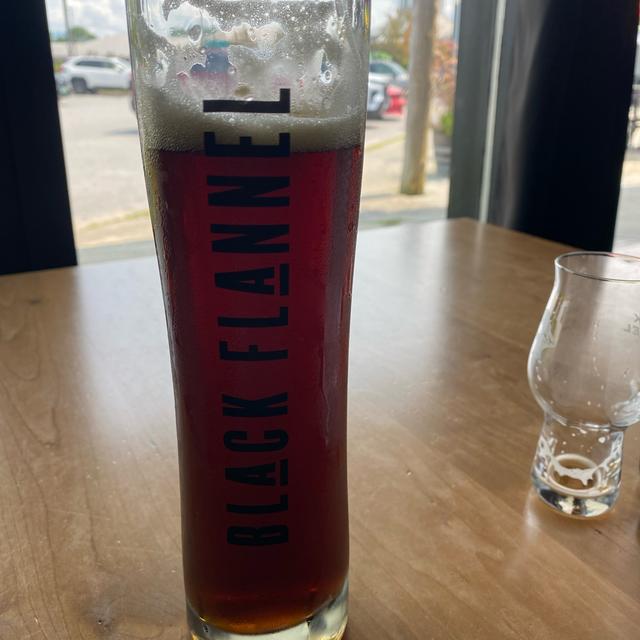
The Altbier represents "old style" German brewing—a top-fermented ale that is then cold-conditioned like a lager. This hybrid approach creates a unique beer that captures some of ale's fruity complexity while achieving the clean finish and crisp character associated with lagers.
Altbier's roots run deep in Düsseldorf brewing tradition, dating back centuries when top-fermentation was the standard brewing method across Germany. As lager yeast adoption swept through Germany in the 1800s, Düsseldorf brewers resisted the trend, maintaining their traditional ale brewing methods. The Altstadt (old town) of Düsseldorf remains the spiritual home of this style.
Düsseldorf, Germany, is the definitive home of Altbier. The city's brewing guild traditions dating to the 1600s established standards that persist today. Mathias Schumacher opened what is now the oldest continuously operating brewery in Düsseldorf in 1838, maintaining unbroken Alt tradition.
Contemporary Altbiers maintain the core tradition while benefiting from modern temperature control and sanitation. The hybrid fermentation approach—warm fermentation followed by cold conditioning—remains the signature characteristic. Düsseldorf remains the center of Alt production, though breweries worldwide have adopted the style.
Copper to brown color, ranging from reddish-brown to deep brown. Clear with good clarity typical. Tan to brown head with good retention. The appearance suggests a lager's crispness, though it's an ale.
Moderately fruity ale character balanced with herbal and spicy hop notes. Notes of stone fruit (plum, apricot) or subtle citrus from ale fermentation. Hop aroma is noticeable—floral, herbal, or spicy notes from traditional German hops. Very little malt aroma despite moderate gravity.
Toasted malt character with moderate caramel sweetness balanced by pronounced hop bitterness (25-50 IBU). Moderate fruitiness from ale fermentation (stone fruit, subtle citrus) blends with herbal and spicy hop flavors. Clean, crisp finish more reminiscent of a lager than typical ales. The cold conditioning removes some of the fruitiness, creating a hybrid character.
Toasted malt balanced against pronounced hop bitterness and assertive hop flavor. Moderate fruity ale character provides complexity without overwhelming the hop-malt balance. The cold conditioning creates a crisp, clean finish more typical of lagers.
Herbal and spicy hop notes, subtle stone fruit esters, hints of bread crust from toasted malt.
Crisp and dry finish with lingering hop bitterness. The alcohol warmth is subtle and well-integrated.
Serve at 45-50°F in a small cylindrical glass (traditional Alt glass). This beer pairs excellently with German food and heavy appetizers.
Overall Impression: A well-balanced, well-attenuated, bitter yet malty, clean, and smooth, amber- to copper-colored German beer. The bitterness is balanced by the malt richness, but the malt intensity and character can range from moderate to high (the bitterness increases with the malt richness).
Aroma: Clean yet robust and complex aroma of grainy-rich malt and spicy hops with restrained (low to medium-low) fruity esters. The malt character reflects German base malt varieties, with rich baked bread and nutty-toasty bread crust notes. The hop aroma may vary from moderate to low, and can have a peppery, spicy, floral, herbal or perfumy character associated with Saazer-type hops.
Appearance: The color ranges from light amber to deep copper color, stopping short of brown; bronze-orange is most common. Brilliant clarity. Thick, creamy, long-lasting off-white head.
Flavor: Assertive hop bitterness well balanced by a sturdy yet clean and crisp malt character. The malt presence is moderated by medium-high to high attenuation, but considerable rich, complex, and somewhat grainy malt flavors can remain. Some fruity esters (especially cherry-like) may survive the lagering period. A long-lasting, medium-dry to dry, bittersweet or nutty finish reflects both the hop bitterness and malt complexity. Spicy, peppery or floral hop flavor can be moderate to low. No roasted malt flavors or harshness. The apparent bitterness level is sometimes masked by the malt character; the bitterness can seem as low as moderate if the finish is not very dry. Light sulfury or minerally character optional.
Mouthfeel: Medium-bodied. Smooth. Medium to medium-high carbonation, although can be lower when served from the cask. Astringency low to none. Despite being very full of flavor, is light-bodied enough to be consumed as a gravity-fed session beer in its home brewpubs in Dusseldorf.
Comments: A top-fermented lagered beer, fermented at cool ale temperature (59-68F), often conditioned at bottom-fermentation temperatures (about 50F) and then lagered at cold temperatures to produce a cleaner, smoother palate than is typical for most ales. Zum Uerige is a wonderful beer, but much more aggressively bitter and complex than most other German examples. It may be like the Fuller's ESB of the strong bitter category – well-known but somewhat of a stylistic outlier. Do not judge all Altbiers as if they were Zum Uerige clones; allow for a more balanced bitterness in the beer (25-35 IBUs is more typical for most other German examples). Stronger sticke and doppelsticke beers should not be entered here.
History: The traditional style of beer from Dusseldorf. "Alt" refers to the "old" style of brewing (i.e., using top-fermenting yeast) that was common before bottom-fermenting lager brewing became popular. Predates the isolation of bottom-fermenting yeast strains, though it approximates many characteristics of bottom-fermenting lager beers. Many of the classic examples can be found in brewpubs in the Altstadt ("old town") section of Dusseldorf.
Characteristic Ingredients: Grists vary, but usually consist of German base malts (usually Pils, sometimes Munich) with small amounts of crystal, chocolate, and/or black malts used to adjust color. Occasionally will include some wheat, including roasted wheat. Spalt hops are traditional, but other Saazer-type hops can also be used. Clean, highly attenuative ale yeast. A step mash or decoction mash program is traditional.
Style Comparison: More bitter and malty than international amber lagers. Somewhat similar to California Common, both in production technique and finished flavor and color, though not in ingredients.
Vital Statistics: OG: 1.044 – 1.052 IBUs: 25 – 50 FG: 1.008 – 1.014 SRM: 9 – 17 ABV: 4.3 – 5.5%
Commercial Examples: Bolten Alt, Diebels Alt, Fuchschen Alt, Original Schlussel Alt, Schlosser Alt, Schumacher Alt, Uerige Altbier
German-Style Altbier
Color: Copper to dark brown
Clarity: Clear to slightly hazy. Chill haze should not be present
Perceived Malt Aroma & Flavor: A variety of malts contributes to medium-low to medium malt aroma and flavor. Toast aroma typical of Munich malts should be present. Slight nuttiness is acceptable. Roast malt character should be present at low levels and well-integrated with the overall malt profile. Smoke character should not be present.
Perceived Hop Aroma & Flavor: Low to medium with hop flavor more perceptible than aroma, with attributes typical of traditional German noble hops.
Perceived Bitterness: Medium to high, producing a clean dry finish. Forty-plus IBU is typical for Altbiers originating in Dusseldorf.
Fermentation Characteristics: Fruity esters are absent to low, with attributes expressed subtly as citrus, pear, dark cherry or plum. A slight sulphur aroma is acceptable. Diacetyl should not be present.
Body: Medium-low to medium.
Additional notes: The Altbier style is originally from the Dusseldorf area. The overall impression is clean, crisp and flavorful with a dry finish.
Original Gravity (Plato) 1.044-1.052 (11-12.9 Plato) – Apparent Extract/Final Gravity (Plato) 1.008-1.014 (2.1-3.6 Plato) – Alcohol by Weight (Volume) 3.6%-4.4% (4.6%-5.6%) – Bitterness (IBU) 25-52 – Color SRM (EBC) 11-19 (22-38 EBC)
German pale malts form the base, with addition of Munich malt for character. Some caramel/crystal malt may add subtle sweetness. The goal is a clean malt foundation that supports hop character.
Moderate to assertive hopping (25-50 IBU) using German noble varieties (Hallertau, Tettnang, Saaz, Spalt). Hops should provide herbal and spicy character without being aggressively bitter.
Ale yeast fermented at warm temperatures (65-75°F) to produce moderate fruity character. The yeast selection influences the final balance—some strains emphasize fruitiness, others remain cleaner.
Soft to moderately hard water. Some breweries may use slightly sulfate-accented water to enhance hop character.
Single infusion mash or step mash in the mid-temperature range for clean fermentability.
Warm initial fermentation at ale temperatures (65-75°F) followed by extended cold conditioning (45-50°F for 2-4 weeks) to clean up fruity character and create lager-like crisp finish.
This beer pairs incredibly well with a wide range of foods…if you're in doubt about a pairing, this is one of those "go-to" styles that will likely work well.
At the Pub: Pretzel and Pub Cheese
Also at the pub: Smash Burger and Thrice Fried Chips
Swanky date night: Dry aged filet mignon with Bayley Hazen crumble
Aged cheddar, smoked gouda, German varieties
Grilled meats, German wursts, pork chops, smoked fish, hearty dishes
Pretzel-based desserts, fruit tarts, light chocolate preparations
Wheated Bourbon
New: Led Zeppelin
Old: Machaut
Füchschen Alt, Uerige Alt, Schumacher Alt, Diebels Alt, Schlüssel Alt, Hanover Alt, Grolsch Amber