Black Flannel Academy

German Helles Export

balanced ยท bottom-fermented ยท central-europe ยท lagered ยท pale-color ยท pale-lager-family ยท standard-strength ยท Traditional style
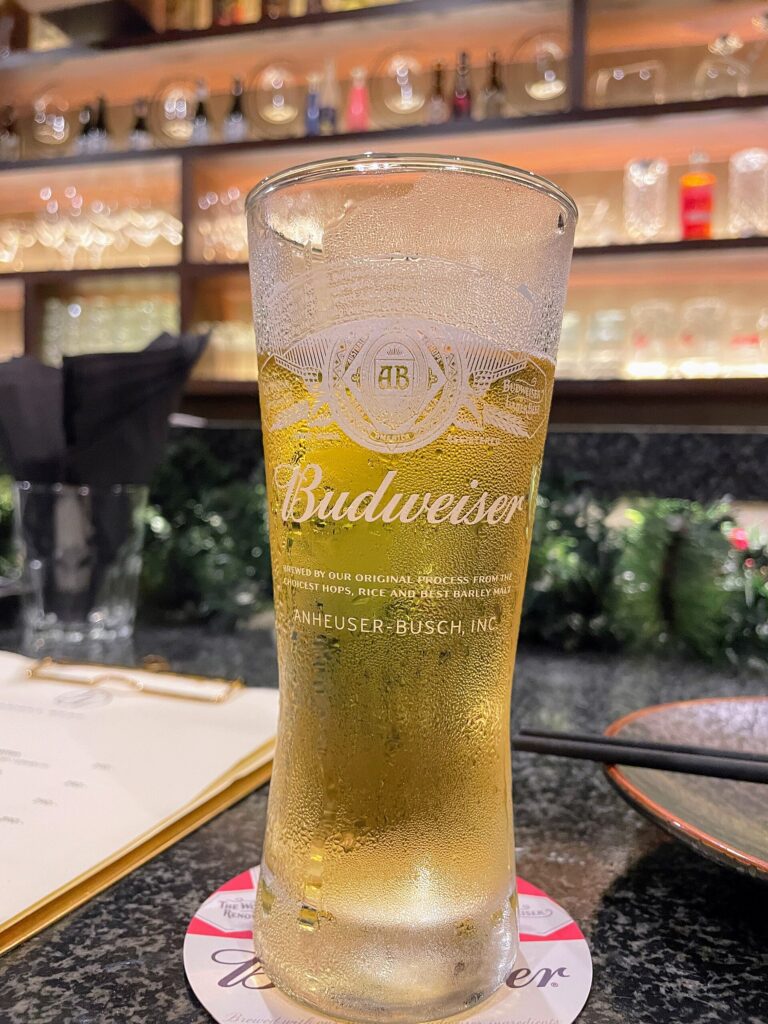
Budweiser served in a glass โ€” illustrative beer photograph
Visual reference: Budweiser served in a glass. Not a confirmed example of German Helles Export. Photo: Amin / Wikimedia Commons ยท CC BY-SA 4.0. Display crops and resized versions are available under the same license.

A malty, golden, moderate-strength German lager with a clean, dry finish achieved through sulfate-rich brewing water. This style balances the lightness of German Pilsner with the malty character of Munich Helles, creating a slightly fuller-bodied lager that remains crisp and refreshing.

Color

4 – 7 SRM

Bitterness

20 – 30 IBU

Alcohol

4.8 – 6.0% ABV

Sweetness

Smooth, malty grain character with a dry, crisp finish.

Balance

Noble hops provide restrained bitterness and floral notes.

History

Historical Development

Dortmunder Export Lager emerged in the 19th century as Dortmund brewers sought to create beers suitable for export beyond their regional market. The DAB (Dortmunder Actienbrauerei) brewery, founded in 1868, played a crucial role in this style's development. By 1879, DAB had established export markets and formalized this distinctive lager style that would become synonymous with the region.

Geographic Origin

Dortmund, located in the Ruhr Valley of Germany, provided unique brewing water rich in sulfates and other minerals. This water chemistry directly shaped the style's characterโ€”the sulfates contribute to a distinctly dry finish that differentiates Dortmunder Export from its Munich Helles cousins.

Modern Evolution

The style represents a bridge between regional German lager traditions. Brewers in Dortmund synthesized influences from Czech Pilsner traditions and Bavarian malt-forward brewing, creating a balanced lager that gained international recognition. Today, Dortmunder Export remains a textbook example of German brewing precision and regional water influence on beer character.

Classic characteristics

Appearance

Medium to deep golden color, bright and clear with excellent head retention. The clarity reflects the clean lagering process and high fermentation standards.

Aroma

Prominent malt aroma with subtle noble hop character. Clean, crisp noble hop presence without aggressive bitterness in the nose. No fruity esters or yeast character.

Flavor

Smooth, malty grain character with a dry, crisp finish. The sulfate-rich water creates a subtle saltiness that enhances the drying effect. Noble hops provide restrained bitterness and floral notes. Very clean lager character with no off-flavors.

Mouthfeel

  • ABV: 4.8-6.0%
  • Body: Medium
  • Carbonation: Medium to high
  • Finish: Clean, dry, crisp

Flavor Profile Deep Dive

Primary Flavors

Clean malt character dominates with subtle sweetness balanced by the dry finish. The sulfates contribute to a mineral, slightly salty quality that enhances drinkability. Noble hops provide restrained floral and herbal notes.

Secondary Flavors

Very subtle esters from lager fermentation. No yeast character should be apparent. The interaction of water chemistry and malt creates a complex yet balanced profile.

Aftertaste

Long, clean, dry finish with lingering noble hop bitterness. No residual sweetness or alcohol warmth.

Service notes

Serve chilled (45-50ยฐF) in a pilsner glass to showcase clarity and head retention. Pairs beautifully with German cuisine and hearty meals.

BJCP designation

Overall Impression: A pale, well-balanced, smooth German lager that is slightly stronger than the average beer with a moderate body and a mild, aromatic hop and malt character.

Aroma: Low to medium hop aroma, typically floral, spicy, or herbal in character. Moderate grainy-sweet malt aroma. Clean fermentation profile. A slight sulfury note at the start that dissipates is not a fault, neither is a low background note of DMS.

Appearance: Light gold to deep gold. Clear. Persistent white head.

Flavor: Neither grainy-sweet malt nor floral, spicy, or herbal hops dominate, but both are in good balance with a touch of malty sweetness, providing a smooth yet crisply refreshing beer. Balance continues through the finish and the hop bitterness lingers in aftertaste (although some examples may finish slightly sweet). Clean fermentation character. Some mineral character might be noted from the water, although it usually does not come across as an overt minerally flavor.

Mouthfeel: Medium body, medium carbonation. Smooth but crisp.

Comments: Sometimes known as Dortmunder or Dortmunder Export. Brewed to a slightly higher starting gravity than other light lagers, providing a firm malty body and underlying maltiness to complement the sulfate-accentuated hop bitterness. The term "Export" is a beer strength descriptor under German brewing tradition, and is not strictly synonymous with the "Dortmunder" style; beer from other cities or regions can be brewed to Export strength, and labeled as such (even if not necessarily exported).

History: The Dortmunder style developed in the Dortmund industrial region in the 1870s in response to pale Pilsner-type beers, it became very popular after World War II but declined in the 1970s. Other Export-class beers developed independently, and reflected a slightly stronger version of existing beers. The modern German style is typically 12-13 Plato. Characteristic Ingredients: Minerally water with high levels of sulfates, carbonates and chlorides, German or Czech noble hops, Pilsner malt, German lager yeast. Newer commercial versions can contain adjuncts and hop extract.

Style Comparison: Less finishing hops and more body than a Pils but more bitter than a Helles.

Vital Statistics: OG: 1.048 – 1.056 IBUs: 20 – 30 FG: 1.010 – 1.015 SRM: 4 – 7 ABV: 4.8 – 6.0%

Commercial Examples: DAB Original, Dortmunder Kronen, Dortmunder Union Export, Flensburger Gold, Gordon Biersch Golden Export, Great Lakes Dortmunder Gold

Brewers Association designation

Dortmunder/European-Style Export

Color: Straw to deep golden

Clarity: Appearance should be clear. Chill haze should not be present

Perceived Malt Aroma & Flavor: Sweet malt character should be low and should not be caramelly

Perceived Hop Aroma & Flavor: Very low to low, derived from noble-type hops.

Perceived Bitterness: Medium

Fermentation Characteristics: Fruity esters and diacetyl should not be present.

Body: Medium

Additional notes: Traditionally, German-style Export beers were brewed to higher gravity/higher alcohol than domestic beers to promote longer shelf-life in export markets.

Original Gravity (Plato) 1.048-1.057 (11.9-14.0 Plato) – Apparent Extract/Final Gravity (Plato) 1.010-1.014 (2.6-3.6 Plato) – Alcohol by Weight (Volume) 4.0%-4.8% (5.1%-6.1%) – Bitterness (IBU) 23-29 – Color SRM (EBC) 3-6 (6-12 EBC)

Style comparison

Parent Categories

  • German Pilsner (5D)
  • Munich Helles (5B)

Variant Styles

Similar Styles

Ingredients

Grain Bill

German Pilsner malt as the primary base (90-95%), with Munich malt adding depth and complexity (5-10%). Some brewers incorporate small amounts of Vienna malt for additional richness.

Hops

Noble hop varietiesโ€”Hallertau, Tettnanger, or Saazโ€”used for bittering and flavor. Emphasis on clean, floral character rather than aggressive bitterness. Typically 20-30 IBUs for balance.

Yeast

Clean lager yeast, traditionally German lager strains. Fermentation temperature maintained cool (50-55ยฐF) for clean, crisp character. Extended lagering period (4-6 weeks minimum) essential for style development.

Water Profile

High sulfate content (150-300 ppm) is essential for authentic character. This water profile creates the characteristic dryness and crisp finish. Brewers in non-sulfate regions should adjust water accordingly.

Brewing process

Mash Profile

Single infusion mash or traditional decoction mash (triple decoction method was common historically). Mash temperature around 152-156ยฐF for medium body and fermentability.

Fermentation

Cool fermentation followed by extended lagering at near-freezing temperatures. This style benefits significantly from proper lagering timeโ€”rushing this step results in immature character.

Food pairings

At the pub: Pretzel with pub mustard

Also at the pub: Smash Burger with Thrice Cooked Chips

Takeout: Pizza

Cheese

Sharp cheddar, German cheeses (Emmental, Gruyรจre)

Meat & Seafood

Roasted pork, Bavarian sausages, smoked meats, grilled fish, spiced seafood dishes

Desserts

Light pastries, apple strudel, honey-based desserts

Spirit pairings

Barrel Aged Agave Dream

The soundtrack

New: Regina Spektor, Begin to Hope

Old: Haydn, The London Symphonies

Keep exploring

Commercial Examples

DAB Original, Kulmbacher Pilsner, Paulaner Premium Lager, Spaten Premium Lager, Kรถnig Pilsener

Beer Cocktail Recipe

"Louisville Boilermaker"

Ingredients:

12 oz German Helles Exportbier

1.5 oz. of bourbon or rye whiskey

Lemon/Lime Soda: 7-up, Sprite, or Sparkling Ice Lemon Lime

Lemon (garnish)

Directions:

In a pint glass, pour beer at an angle to eliminate head. Add 1.5 oz. of bourbon or rye. Top with Lemon/Lime Soda. Garnish with lemon wedge.

Return to all beer styles

Scroll to Top