
Commercial Examples
ABC Extra Stout, Dragon Stout, Jamaica Stout, Lion Stout, Royal Extra Stout, various Caribbean and tropical region stout producers

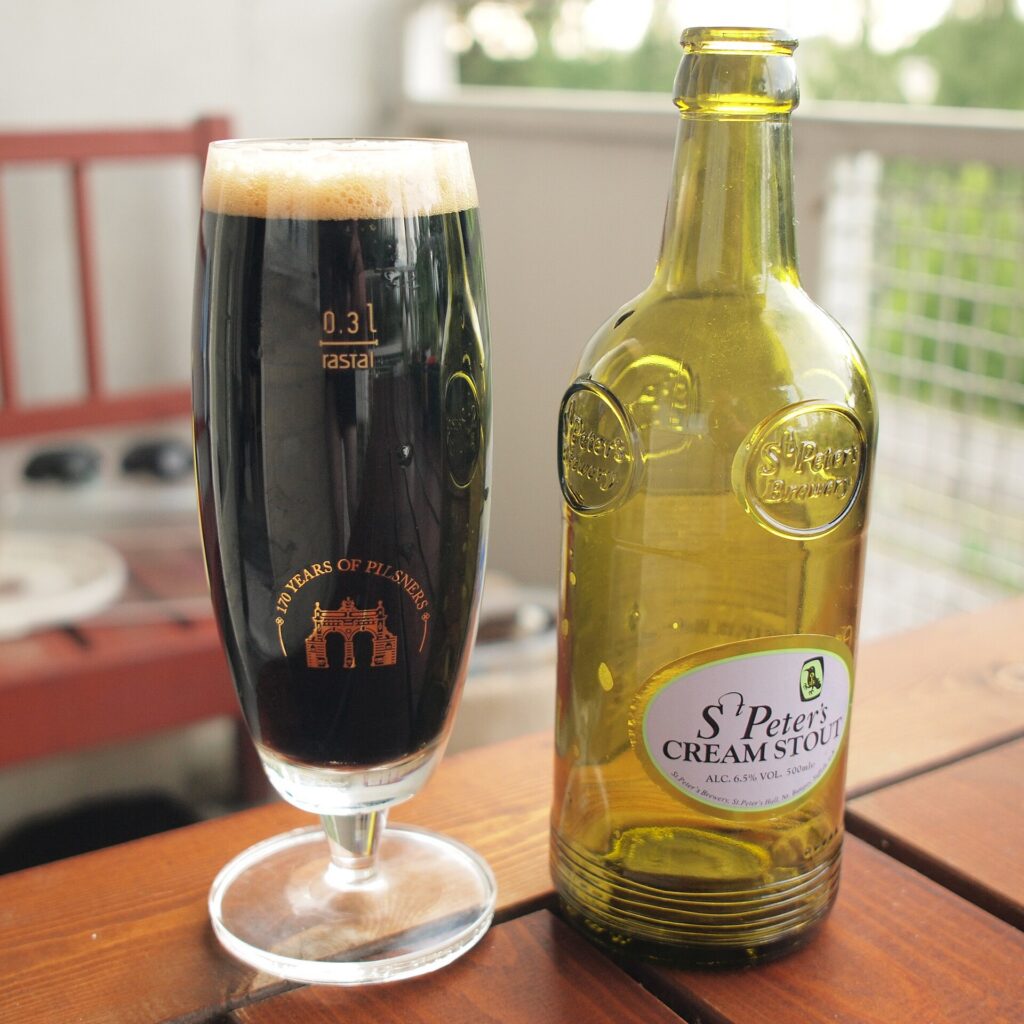
A higher gravity sweet stout with moderate roast and elevated levels of fruity yeast esters. Surprisingly refreshing in hot climates despite its dark color and full body.
Tropical Stout emerged from high-gravity stouts brewed by British and Irish brewers for export to tropical markets, particularly the Caribbean. Originally called Foreign Double Stout, this category became popular among local brewers who adapted and imitated the style using their own local ingredients and techniques. The style represents a fascinating case of colonialism's impact on beer—British brewers created strong stouts for long sea voyages to hot climates, and local brewers in those regions adapted and evolved the style.
Tropical Stout originated from British and Irish brewing exports to Caribbean markets starting in the early 1800s. Guinness began sending their West Indies Porter to the region in the early 1800s, later increasing strength and evolving it into what became known as Foreign Extra Stout. Local Caribbean brewers, inspired by these imports, began brewing their own versions using local ingredients and techniques, creating what we now know as Tropical Stout. The style remains primarily produced in tropical regions by local brewers.
Tropical Stout has remained relatively consistent in character and continues to be brewed primarily in tropical regions. While not widely produced in temperate climates, it maintains dedicated brewing traditions in the Caribbean and other tropical areas. The style has proven surprisingly refreshing despite its dark appearance, making it popular in its home markets during warm weather months. Modern examples continue the tradition of sweet, fruity stouts adapted for tropical consumption.
Very deep brown to black in color. Clarity usually obscured by deep color (if not opaque, should be clear). Large tan to brown head with good retention characteristic of the style.
Sweetness evident at moderate to high intensity. Roasted grain aromas moderate to high, with possible coffee or chocolate notes. Fruitiness medium to high, often expressed as dried fruit or vinous character. May have molasses, licorice, or dried fruit aromatics. Stronger versions can have subtle clean aroma of alcohol.
Quite sweet with smooth dark grain flavors and restrained bitterness. Roasted grain and malt character moderate to high with smooth coffee or chocolate flavor, though roast is moderated by sweet finish. Moderate to high fruity esters with possible sweet, dark rum-like quality. Little to no hop flavor.
Medium-full to full body, often with smooth, creamy character. May give a warming impression from alcohol presence without being hot or harsh. Moderate to moderately high carbonation, providing refreshment in hot climates.
Sweet malty profile with smooth dark grain character dominating. Coffee and chocolate notes from roasted malts provide balance without harshness. Fruity yeast esters contribute dried fruit, plum, and prune character. Dark rum-like quality common in the style.
Molasses and licorice notes in some examples. Subtle vanilla or warming alcohol character. Moderate roasted grain character without burnt or acrid notes. Restrained bitterness from hops providing subtle balance.
Sweet, lingering finish with fruity and malty character. Warming alcohol presence appropriate to the style. No harsh bitterness or roasted character. Smooth, creamy quality throughout palate and finish.
Serve fresh in a pint glass at 40-44°F. Excellent with rich desserts, dark chocolate, or as a dessert beer itself. The sweetness and fruitiness make this an exceptional pairing with tropical fruits and dessert preparations. Surprisingly refreshing in warm weather despite its dark appearance and full body.
Overall Impression: A very dark, sweet, fruity, moderately strong ale with smooth roasty flavors without a burnt harshness.
Aroma: Sweetness evident, moderate to high intensity. Roasted grain aromas moderate to high, and can have coffee or chocolate notes. Fruitiness medium to high. May have a molasses, licorice, dried fruit, and/or vinous aromatics. Stronger versions can have a subtle clean aroma of alcohol. Hop aroma low to none. Diacetyl low to none.
Appearance: Very deep brown to black in color. Clarity usually obscured by deep color (if not opaque, should be clear). Large tan to brown head with good retention.
Flavor: Quite sweet with smooth dark grain flavors, and restrained bitterness. Roasted grain and malt character can be moderate to high with a smooth coffee or chocolate flavor, although the roast character is moderated in the balance by the sweet finish. Moderate to high fruity esters. Can have a sweet, dark rum-like quality. Little to no hop flavor. Medium-low to no diacetyl.
Mouthfeel: Medium-full to full body, often with a smooth, creamy character. May give a warming (but never hot) impression from alcohol presence. Moderate to moderately high carbonation.
Comments: Sweetness levels can vary significantly. Surprisingly refreshing in a hot climate.
History: Originally high-gravity stouts brewed for tropical markets, became popular and imitated by local brewers often using local sugars and ingredients.
Characteristic Ingredients: Similar to a sweet stout, but with more gravity. Pale and dark roasted malts and grains. Hops mostly for bitterness. May use adjuncts and sugar to boost gravity. Typically made with warm-fermented lager yeast.
Style Comparison: Tastes like a scaled-up sweet stout with higher fruitiness. Similar to some Imperial Stouts without the high bitterness, strong/burnt roastiness, and late hops, and with lower alcohol. Much more sweet and less hoppy than American Stouts. Much sweeter and less bitter than the similar-gravity Export Stouts.
Vital Statistics: OG: 1.056 – 1.075 IBUs: 30 – 50 FG: 1.010 – 1.018 SRM: 30 – 40 ABV: 5.5 – 8.0%
Commercial Examples: ABC Extra Stout, Dragon Stout, Jamaica Stout, Lion Stout, Royal Extra Stout
Pale and dark roasted malts and grains. Light use of roasted malts and barley to provide color without excessive acrid roasted character. British caramel and/or brown malt for sweetness and body. Hops mostly for bitterness only.
Typically made with warm-fermented lager yeast (Saccharomyces pastorianus) fermented warm or with ale yeast strains that produce fruity esters. The yeast character contributes significantly to the fruity ester profile.
Moderate to fairly hard water typical of tropical regions. No specific mineral targeting required.
Sugar additions commonly used to boost gravity and fermentability. Local sugars (cane sugar, etc.) often employed by Caribbean brewers for authentic character.
Single infusion mash at moderate to higher temperatures (around 152-154°F) for fuller body and residual sweetness. Ensure proper conversion and create fermentable wort suitable for the style.
Moderate bittering additions early in the boil (30-50 IBUs). Hops primarily for bitterness balance only; minimal to no flavor or aroma hop additions.
Ferment with ale yeast or warm-fermented lager yeast at elevated temperatures (around 70-75°F) to encourage fruity ester development. Achieve moderate attenuation to maintain sweetness and body.
Condition for 2-3 weeks to allow flavors to develop. The beer benefits from several weeks of conditioning to allow rough edges to mellow.
At the Pub: Ice cream twist Also at the Pub: Bourbon Caramel Popcorn Dessert: Raspberry Cheesecake Swanky date night: Maple Creme brulee
Sharp cheddar, aged gouda, strong cheeses
Rich meat dishes, game, slow-roasted meats, hearty stews
Ice cream, chocolate desserts, caramel, bourbon-soaked desserts, tropical fruits
Spicy dishes, dessert wines, dark chocolate
Agave Dream
New: Khalia Old: Prokofiev, Romeo and Juliet
ABC Extra Stout, Dragon Stout, Jamaica Stout, Lion Stout, Royal Extra Stout, various Caribbean and tropical region stout producers