
Rhum Arrangé
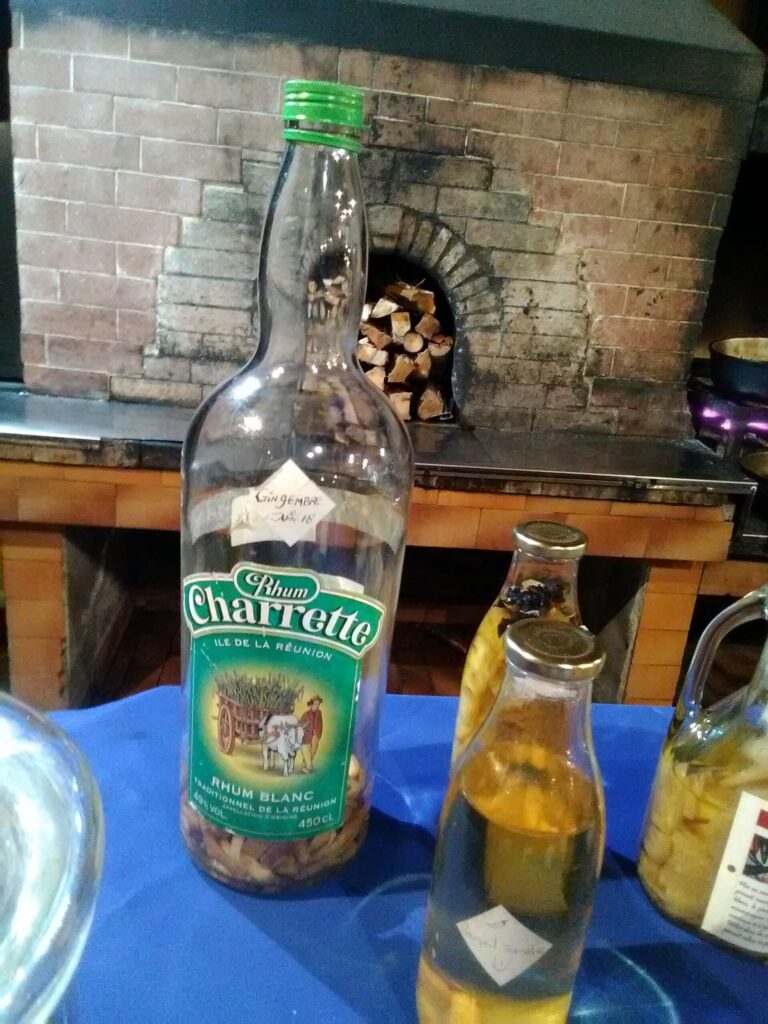
A rum-based maceration in which fruit, spices, leaves, peels or other ingredients create a distinctly prepared flavour profile. It can be bright and fresh, rich and dessert-like, herbal or gently bitter. The best examples show recognizable ingredients, integrated alcohol and sweetness proportionate to their intended expression.
Color
Maturation
Alcohol
Sweetness
Balance
History
Rhum arrangé grew from Réunion’s Creole tradition of infusing rum with fruits, herbs, bark and spices. The island’s rum industry records a commercial milestone in the 1970s with Isautier’s ginger-based Gingerlick, followed by a stronger push into metropolitan French markets in the early 2010s. This documents the movement from local preparations toward packaged, export-oriented products. It does not require accepting an unsupported single inventor for the household tradition. La Réunion des Rhums: history of rhums arrangés.
Classic characteristics
Appearance
Colourless to deeply fruit- or spice-coloured; clear, cloudy or containing visible ingredients as intended.
Aroma
Medium to pronounced macerated fruit, peel, herbs or spices, with rum supporting or sharing the lead.
Flavor
Ingredient-led; assess freshness or deliberate cooked-fruit character, balanced against spirit and any bitterness.
Sweetness
Dry to very sweet depending on recipe; dessert-associated flavour does not alone quantify sugar.
Mouthfeel
Light to rich or syrupy; macerated solids and sweetening can add substantial weight.
Finish
Medium to long where concentrated; fruit and spice should persist without a detached sugary tail.
Flavor Profile Deep Dive
Assess the macerated fruit/botanical profile as served; infusion time does not establish barrel age. Investigate stale ingredients, an unpleasant solvent-like edge, or sweetness/bitterness that overwhelms the declared flavor. Intentional color or sweetening is not itself a defect.
Service notes
Compare related recipes rather than judge banana, citrus and herbal versions against one ideal. Record whether the sample is clear-filtered or includes suspended ingredients, and follow the maker's handling guidance. Staff should describe the principal ingredient, sweetness and strength directly. When mixing, account for the product's existing flavour and sugar instead of treating it as interchangeable with plain rum.
Style parameters
| Parameter | Boundary or expectation |
|---|---|
| Base material | Sugarcane juice, syrup, molasses or other cane-derived material; identify product |
| Bottled strength | Product-specific; ADI supplies no numerical limit here, and legal designations vary by market. |
| Color and clarity | Colourless to deeply fruit- or spice-coloured; clear, cloudy or containing visible ingredients as intended. |
| Maturation | Maceration time is not a barrel-age statement; base rum may itself be aged or unaged. |
| Additions | Macerated ingredients are defining; sweetening and other materials depend on the recipe and governing identity. |
Legal limits apply only to the named jurisdiction and identity. ADI entry conditions and typical sensory expectations are separate; a product example is not a universal range.
Cocktail connections
Browse published cocktails. Documented recipes, conditional style choices and development substitutions are labeled separately.
No established classic or recognized modern cocktail match was found for this specific style in the sources reviewed. This records a research gap, not proof that no cocktail exists. No neighboring style has been substituted to fill the space.
Style comparison
The maceration tradition separates this entry from a purely distilled botanical rum, although categories can overlap. It is not necessarily spiced rum, because fruit or another ingredient may dominate. Visible fruit is not required to establish that maceration occurred, and its presence alone does not disclose the full formula or storage requirements.
Ingredients
Sugarcane juice, syrup, molasses or other cane-derived material; identify product
Production notes
ADI associates the tradition with French islands in the Indian Ocean and Caribbean and specifically describes maceration. The category is broader than a single fruit or sugar level. Commercial legal designations may include liqueur or another spirit-drink description according to formulation and market. The everyday name “rhum arrangé” does not override the rules governing unflavoured rum, nor establish a protected origin for every bottle.
Commercial examples
Retained example and source context. Isautier Arrangé Banane Flambée, 40%, illustrates a dessert-inspired Réunion expression. ADI scope: S096; the U.S. rum rule where applicable.
Photo credit
Fruit and spice infused rhums arrangés. Photo: Marie-angele.joly / Wikimedia Commons. CC BY-SA 4.0. Display resized; no other edits.
