
Flavored Rum
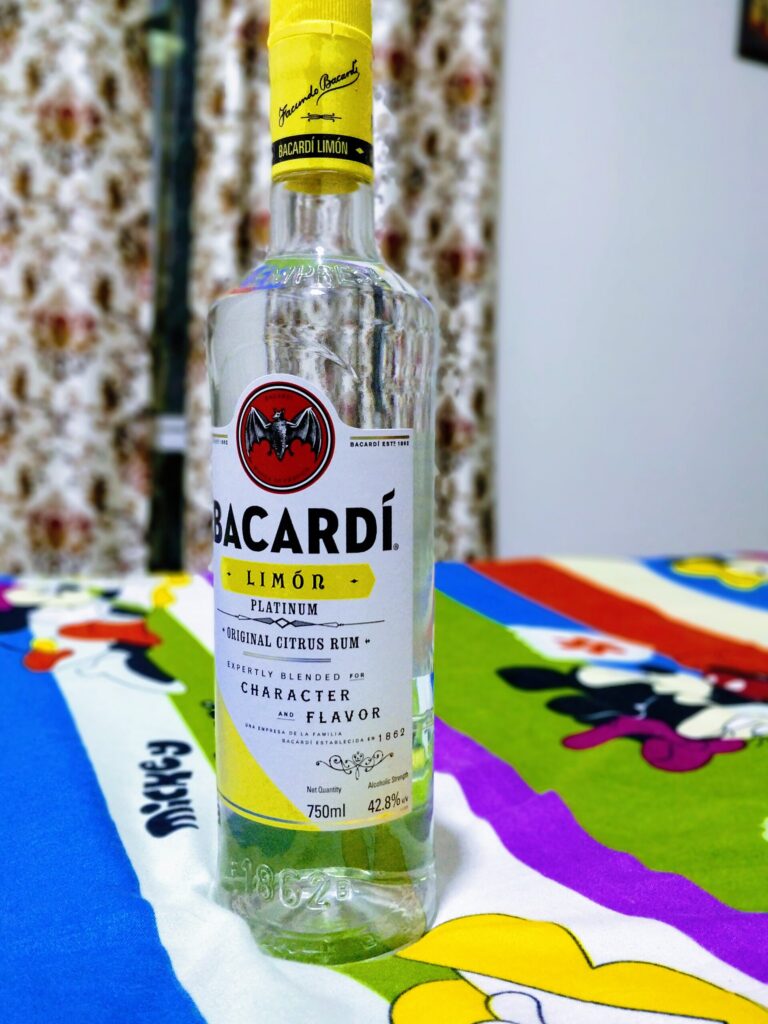
Rum with an added, identifiable flavour such as coconut, citrus, tropical fruit or another natural flavouring. A good example presents that flavour clearly while retaining enough structure to avoid a disjointed mixture of alcohol, sweetness and aroma. Rum-base prominence varies and should be described honestly.
Color
Maturation
Alcohol
Sweetness
Balance
History
Modern flavored rum’s commercial history includes products designed around a recognizable added flavor and mixed-drink use. Malibu’s own chronology dates its coconut-flavored launch to 1980. That supplies a documented milestone in the international market for rum-based flavored drinks, not the first occasion on which rum was combined with fruit. The brand example also should not erase differences between flavored rum, rum-based liqueurs and other legally defined spirit drinks. Malibu: company history.
Classic characteristics
Appearance
Clear or ingredient-coloured, potentially cloudy where formulation warrants; colour should fit the declared product.
Aroma
Medium to pronounced named flavour, with cane, fruit or oak from the rum base where perceptible.
Flavor
Added flavour leads or integrates with rum; judge recognizable character, balance and absence of unintended harshness.
Sweetness
Dry to sweet; flavour names such as coconut or vanilla do not independently establish sugar content.
Mouthfeel
Light to rich; oils, sweetening and strength can materially affect weight and coating sensation.
Finish
Short to long; coherent flavour persistence rather than a detached sweet or perfumed aftertaste.
Flavor Profile Deep Dive
Judge the declared flavor within its finished legal identity; a coconut liqueur need not be scored as ordinary rum. Investigate stale ingredients, an unpleasant solvent-like edge, or sweetness/bitterness that overwhelms the declared flavor. Intentional color or sweetening is not itself a defect.
Service notes
Compare like flavours and similar strengths. Assess both neat and in a standardized intended cocktail, documenting the mixer contribution. Staff should identify whether the bottle supplies significant sweetness before replacing an unflavoured rum in a recipe. For consumers, state the named flavour and actual sweetness rather than promising that the underlying rum will dominate every expression.
Style parameters
| Parameter | Boundary or expectation |
|---|---|
| Base material | Sugarcane juice, syrup, molasses or other cane-derived material; identify product |
| Bottled strength | U.S. naturally flavoured rum normally at least 30% ABV; verify market-specific designation and strength. |
| United States: bottled ABV | at least 30%; Only products qualifying as flavored spirits under 5.151; not every ADI entrant. |
| Color and clarity | Clear or ingredient-coloured, potentially cloudy where formulation warrants; colour should fit the declared product. |
| Maturation | Base rum may be unaged or aged; added flavour does not establish a maturation requirement. |
| Additions | Natural flavouring is defining for the cited U.S. category; other formulation permissions require product-specific review. |
Legal limits apply only to the named jurisdiction and identity. ADI entry conditions and typical sensory expectations are separate; a product example is not a universal range.
Cocktail connections
Browse published cocktails. Documented recipes, conditional style choices and development substitutions are labeled separately.
No established classic or recognized modern cocktail match was found for this specific style in the sources reviewed. This records a research gap, not proof that no cocktail exists. No neighboring style has been substituted to fill the space.
Style comparison
Flavoured rum is broader than botanical rum's whole-ingredient process rule and broader than spiced rum's spice emphasis. It can overlap with rhum arrangé, but the latter emphasizes a maceration tradition. A familiar rum brand name does not make every extension legally the same class as its unflavoured rum.
Ingredients
Sugarcane juice, syrup, molasses or other cane-derived material; identify product
Production notes
ADI refers to U.S. standards rather than supplying a unique recipe. The U.S. naturally flavoured spirit framework requires the appropriate base, natural flavouring and its own minimum strength, summarized in the U.S. rum rule. A rum-based liqueur or lower-strength spirit drink may resemble flavoured rum but have a different legal designation. Distillation, maceration and extracts can produce different aromatic and textural results; this broad entry is not restricted to whole botanicals.
Commercial examples
No newly verified benchmark is designated in this revision. The original example discussion below remains a research lead, with its original qualifications.
Retained example and source context. Bacardí Coconut illustrates the coconut-flavoured family; verify the local bottle's legal description and strength. ADI scope: S092; the U.S. rum rule.
Photo credit
Bacardi lemon-flavored rum. Photo: Deepak G Goswami / Wikimedia Commons. CC BY-SA 3.0. Display resized; no other edits.

Keep exploring
- 27 CFR 5.151 — evidence reviewed 2026-09-17.