
Nut Liqueur
A sweetened spirit led by tree-nut character, potentially toasted, fresh, creamy, earthy or bittersweet. Hazelnut and walnut expressions can be very different. The intended nut should remain recognizable, while sugar, spirit and any supporting spice create a coherent whole.
Color
Maturation
Alcohol
Sweetness
Balance
History
Nut liqueurs bring together distinct ingredients and regional preparations rather than one common invention. Frangelico offers a clear modern commercial marker: Campari Group dates the hazelnut-liqueur brand to 1978 and the Barbero family. Stories about earlier monks belong to brand lore unless independently documented; they should not replace the commercial founding date. This example anchors the modern category without assigning the same history to walnut, almond or other nut-based liqueurs. Campari Group: 2022 sustainability report, Frangelico brand history.
Classic characteristics
Appearance
Commonly gold through dark brown; some formulations are lighter or opaque.
Aroma
Medium to pronounced nut, toast, cocoa, vanilla or spice associations.
Flavor
Nut-led sweetness, with possible roasted bitterness or green-walnut astringency.
Sweetness
Clearly sweet, but bitterness and tannin can substantially alter perception.
Mouthfeel
Rounded through viscous; some walnut styles have a firm drying edge.
Finish
Medium or longer in expressive examples, carrying nut and supporting spice.
Flavor Profile Deep Dive
Judge the declared nut ingredient and balance; tasting cannot confirm allergen composition or distinguish every kernel-derived flavor. Investigate stale ingredients, an unpleasant solvent-like edge, or sweetness/bitterness that overwhelms the declared flavor. Intentional color or sweetening is not itself a defect.
Service notes
Compare two nut families rather than treating hazelnut as the only benchmark. Identify roast, sweetness, bitterness and astringency separately. Staff should consult current ingredient and allergen information for guest questions; neither distillation nor a familiar brand name justifies an unsupported assurance. In cocktails, assess how much sweetness and drying structure the liqueur contributes before substituting it for another nut-flavored product. For consumers, name the documented nut and describe whether the expression is toasted, rich or bittersweet.
Style parameters
| Parameter | Boundary or expectation |
|---|---|
| Base material | Spirit, documented tree-nut ingredients and sweetening |
| Bottled strength | Product-specific within the applicable liqueur or named-subtype rules. |
| European Union: bottled ABV | at least 15%; General liqueur rule; explicit named-type exceptions apply. |
| Color and clarity | Commonly gold through dark brown; some formulations are lighter or opaque. |
| Maturation | Not universally required; maceration duration and maturation are different claims. |
| Additions | Nuts and sweetening define this ADI family; other flavorings vary. |
Legal limits apply only to the named jurisdiction and identity. ADI entry conditions and typical sensory expectations are separate; a product example is not a universal range.
Cocktail connections
Style comparison
Nut Liqueur differs from a cream liqueur through its defining ingredient, though both can occur in one product. A nutty note in an aged spirit is an aromatic association rather than evidence of nut addition. Green-walnut liqueurs may show herbal, tannic character that differs sharply from the confectionery impression of a toasted-hazelnut expression.
Ingredients
Spirit, documented tree-nut ingredients and sweetening
Production notes
ADI specifies flavor from one or more tree nuts through distillation, maceration or extracts. The actual ingredient matters: an almond-like aroma can arise from kernels or flavorings and does not by itself prove that almonds were used. Commercial amaretto should therefore not automatically be assigned to this literal nut-based entry without checking composition.
Commercial examples
No newly verified benchmark is designated in this revision. The original example discussion below remains a research lead, with its original qualifications.
Retained example and source context. Frangelico's producer account identifies Italian hazelnuts as its central flavor source. ADI establishes the tree-nut boundary. Shared liqueur rules apply generally, while particular names such as nocino have additional jurisdiction-specific provisions.
Photo credit
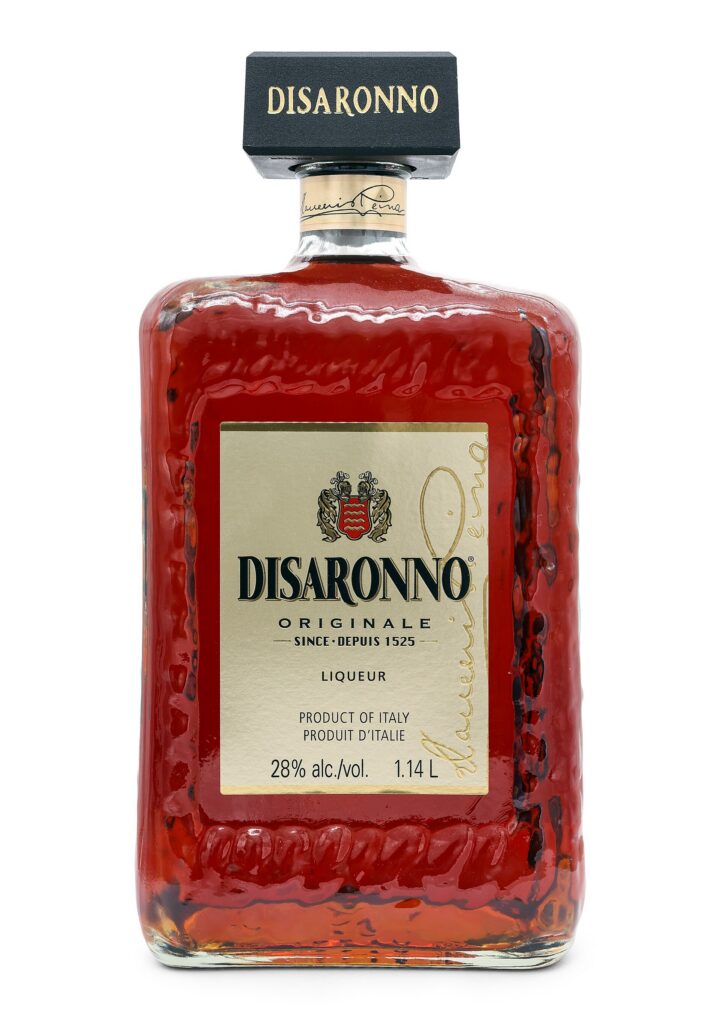
Disaronno amaretto. Photo: Chris Woodrich / Wikimedia Commons. CC BY 4.0. Display resized; no other edits.

Keep exploring
- EU Regulation 2019/787 — evidence reviewed 2026-09-17.
- 27 CFR 5.150 — evidence reviewed 2026-09-17.