
Grappa / Pomace / Marc Brandy
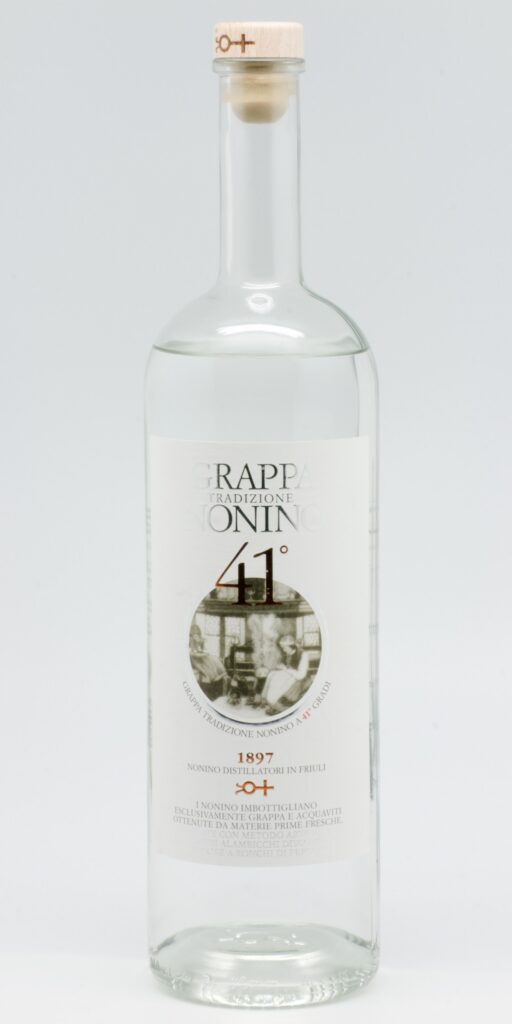
A spirit distilled from fruit press residue, most often grape skins and pulp in familiar grappa and marc traditions. It can show grape, floral, herbal, earthy or kernel-like character, with oak contributing additional detail in matured versions. Harshness is not a required feature.
Color
Maturation
Alcohol
Sweetness
Balance
History
Pomace spirits developed as distinct regional products, and the broader ADI heading preserves the different identities of grappa and marc. A documented turning point in grappa’s premium presentation came in 1973, when Nonino introduced its single-variety Picolit grappa. That initiative helped emphasize the identity of the grape material and the distiller. It was a change in presentation and positioning within an existing spirit tradition, not the invention of pomace distillation. Nonino: family and distillery chronology.
Classic characteristics
Appearance
Colourless when unwooded; gold to amber after maturation.
Aroma
Medium to pronounced; grape, flowers, herbs and earthy or nutty associations.
Flavor
Distinctive grape/pomace expression, potentially with spice and mature wood notes.
Sweetness
Commonly dry to sweet-seeming; check specific permitted treatment.
Mouthfeel
Light through oily or firm; alcohol should not be confused with required roughness.
Finish
Variable length; fruit, herbs or wood may persist and develop.
Flavor Profile Deep Dive
Assess pomace-derived definition at the stated age and strength; grass or grape-skin associations can be appropriate. Investigate persistent unpleasant solvent-like, stale or sulfurous character in context. Do not diagnose a specific production error from one aroma; appropriate fermentation character and proof-related warmth are not automatic faults.
Service notes
Compare an unaged pomace spirit with an unaged grape-wine distillate, then introduce an aged pomace example. Ask whether the differences lie in aroma, texture or wood contribution. Avoid teaching that a forceful or burning finish proves authenticity. For guests, explain the use of grape skins and pulp in straightforward terms and describe the actual floral, herbal or mature character of the selected bottle.
Style parameters
| Parameter | Boundary or expectation |
|---|---|
| Base material | Fermented fruit pomace; grape-based for Grappa |
| Bottled strength | U.S. The U.S. brandy strength requirements minimum 40%; EU grape-marc-spirit minimum 37.5%. |
| United States: bottled ABV | at least 40%; Ordinary brandy identity; protected-origin specifications also apply. |
| European Union: bottled ABV | at least 37.5%; Grape marc spirit; Grappa has additional GI requirements. |
| Color and clarity | Colourless when unwooded; gold to amber after maturation. |
| Maturation | Unaged and aged versions exist; no universal oak requirement for the family. |
| Additions | Subject to actual category and GI rules; verify any flavored presentation separately. |
Legal limits apply only to the named jurisdiction and identity. ADI entry conditions and typical sensory expectations are separate; a product example is not a universal range.
Cocktail connections
Style comparison
Pomace brandy differs from ordinary wine brandy in the principal raw material distilled. It is not simply wine brandy made at a higher strength. Grappa's protected European identity adds origin restrictions, while marc can refer to other regional traditions. Grape variety can shape expression but does not guarantee a recognisable varietal note in every bottle.
Ingredients
Fermented fruit pomace; grape-based for Grappa
Production notes
Pomace is the material remaining after juice or wine has been removed. Its handling, fermentation state and distillation affect the result. ADI groups several names under the U.S. standard. In Europe, Grappa is a protected Italian geographical identity with its own specification; the U.S. alternative-name provision in the U.S. pomace-brandy naming provision should not be mistaken for a universal international naming rule.
Commercial examples
No newly verified benchmark is designated in this revision. Select a documented qualifying expression before running a benchmark tasting.
Retained example and source context. Poli Sarpa illustrates floral, wine-like and grassy character. Italian Grappa specification; EU spirits regulation; U.S. The U.S. pomace-brandy naming provision.
Photo credit
Nonino Tradizione grappa. Photo: Marie-Lan Nguyen / Wikimedia Commons. CC BY 2.5. Display resized; no other edits.

Keep exploring
- EU Regulation 2019/787 — evidence reviewed 2026-09-17.
- 27 CFR 5.145 — evidence reviewed 2026-09-17.