
Flavored Brandy
A brandy-based product with an intentional added flavor, potentially fruit, spice, herbs or another character. The added flavor may complement the base or dominate it. This entry is defined by formulation, so its sensory matrix must remain conditional rather than prescribe one sweetness or colour.
Color
Maturation
Alcohol
Sweetness
Balance
History
Flavored brandy overlaps historically with preparations sold as fruit-brandy liqueurs. The Bols account published by its Japanese distributor describes a nineteenth-century apricot preparation in which kernels from Marseille were steeped in brandy before distillation. This documents one historical branch of the family and explains why the name can be ambiguous. Such products should be distinguished from brandy made by fermenting and distilling the fruit itself; their commercial histories are related but not interchangeable. Asahi / Bols: historical apricot-brandy recipe.
Classic characteristics
Appearance
Colourless through deeply coloured; ingredient and base treatment determine expectation.
Aroma
Usually flavor-led, with variable grape, fruit-brandy or oak contribution.
Flavor
Declared flavor, base spirit and any spice or bitterness in a deliberate balance.
Sweetness
Dry through sweet; do not classify a product from aroma alone.
Mouthfeel
Light through rounded or viscous, depending on sugar and other ingredients.
Finish
Variable; assess flavor fidelity, integration and whether sweetness or alcohol dominates.
Flavor Profile Deep Dive
Separate distillate fruit character from post-distillation flavor; assess the declared finished identity and sweetness. Investigate stale ingredients, an unpleasant solvent-like edge, or sweetness/bitterness that overwhelms the declared flavor. Intentional color or sweetening is not itself a defect.
Service notes
Use the label to identify the base, added flavor and finished strength before tasting. Then separate flavor intensity from sweetness and body. In a historical cocktail recipe, determine which kind of “fruit brandy” the recipe intends before substituting. For consumers, describe the actual formulation clearly enough to prevent an unexpected sweet or dry pour. A recognizable added flavor should still be assessed for balance and a coherent finish.
Style parameters
| Parameter | Boundary or expectation |
|---|---|
| Base material | Brandy plus declared flavoring |
| Bottled strength | U.S. flavored-spirit class at least 30%; liqueurs and specialties follow their own rules. |
| United States: bottled ABV | at least 30%; Only products qualifying as flavored spirits under 5.151; not every ADI entrant. |
| Color and clarity | Colourless through deeply coloured; ingredient and base treatment determine expectation. |
| Maturation | Any age belongs to the documented base or specified treatment, not the flavor name. |
| Additions | Essential to identity; document principal flavors and sweetening when available. |
Legal limits apply only to the named jurisdiction and identity. ADI entry conditions and typical sensory expectations are separate; a product example is not a universal range.
Cocktail connections
Browse published cocktails. Documented recipes, conditional style choices and development substitutions are labeled separately.
No established classic or recognized modern cocktail match was found for this specific style in the sources reviewed. This records a research gap, not proof that no cocktail exists. No neighboring style has been substituted to fill the space.
Style comparison
The key question is whether the named fruit supplied the fermentable material or was added later for flavor. A dry cherry distillate, a cherry-flavored grape brandy and a sweet cherry liqueur can be dramatically different products. ADI's Botanical Brandy entry adds a narrower real-botanical process boundary, while this flavored entry follows broader U.S. identity provisions.
Ingredients
Brandy plus declared flavoring
Production notes
The base is brandy before flavoring. Under the shared U.S. flavored-spirit rule, qualifying products require at least 30% ABV and an appropriate flavor designation. Products sold colloquially as “cherry brandy” or “apricot brandy” can instead be liqueurs; read the complete designation. Distilled fruit brandy and brandy flavored with fruit are different production identities.
Commercial examples
No newly verified benchmark is designated in this revision. Select a documented qualifying expression before running a benchmark tasting.
Retained example and source context. 27 CFR §5.151 establishes the U.S. flavored class. The supplied ADI entry refers to U.S. identity rules. See the fruit-liqueur section for documented sweetened fruit preparations that should not be mistaken for ordinary fruit distillate.
Photo credit
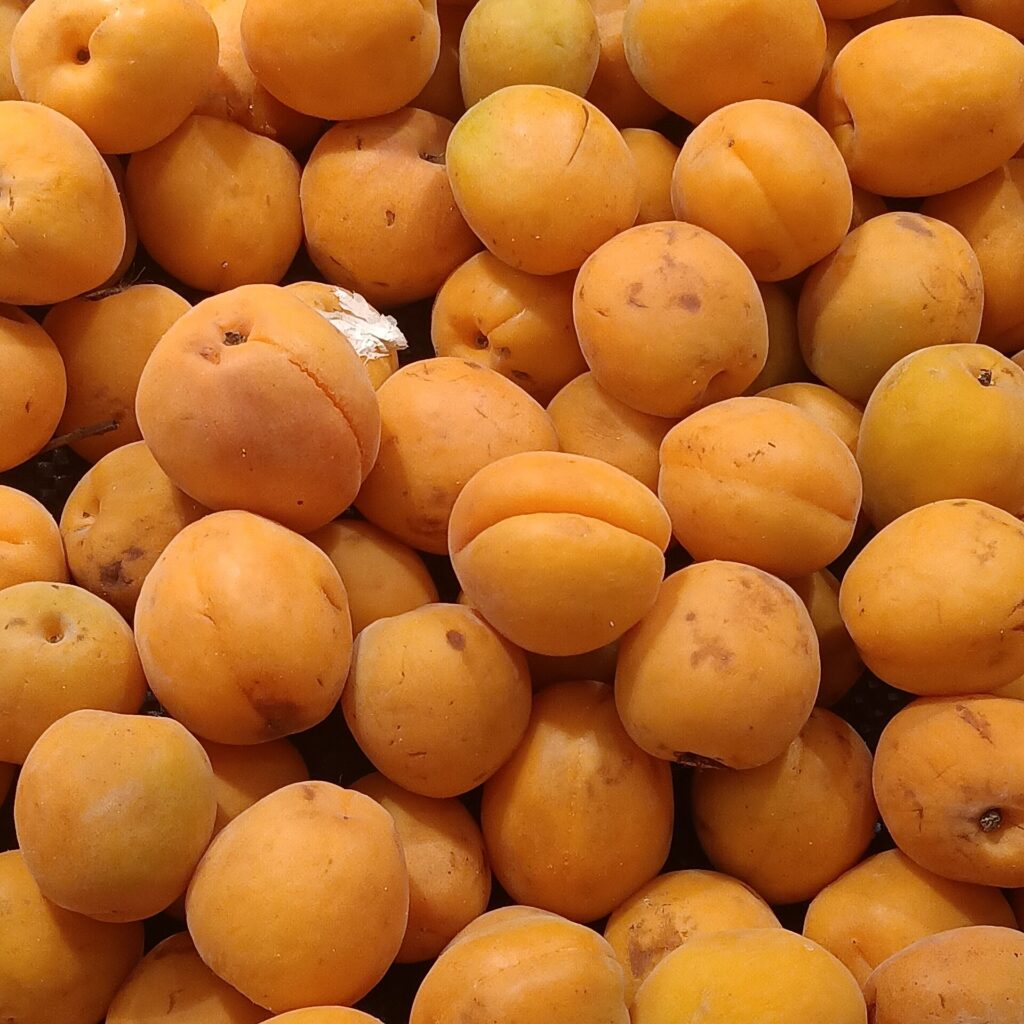
Ingredient or production reference: Apricots, a fruit used to flavor some brandies. This photograph illustrates the raw material or process, not a bottle of this specific style. Photo: Fumikas Sagisavas / Wikimedia Commons. CC0. Display resized; no other edits.

Keep exploring
- 27 CFR 5.151 — evidence reviewed 2026-09-17.