
Cognac
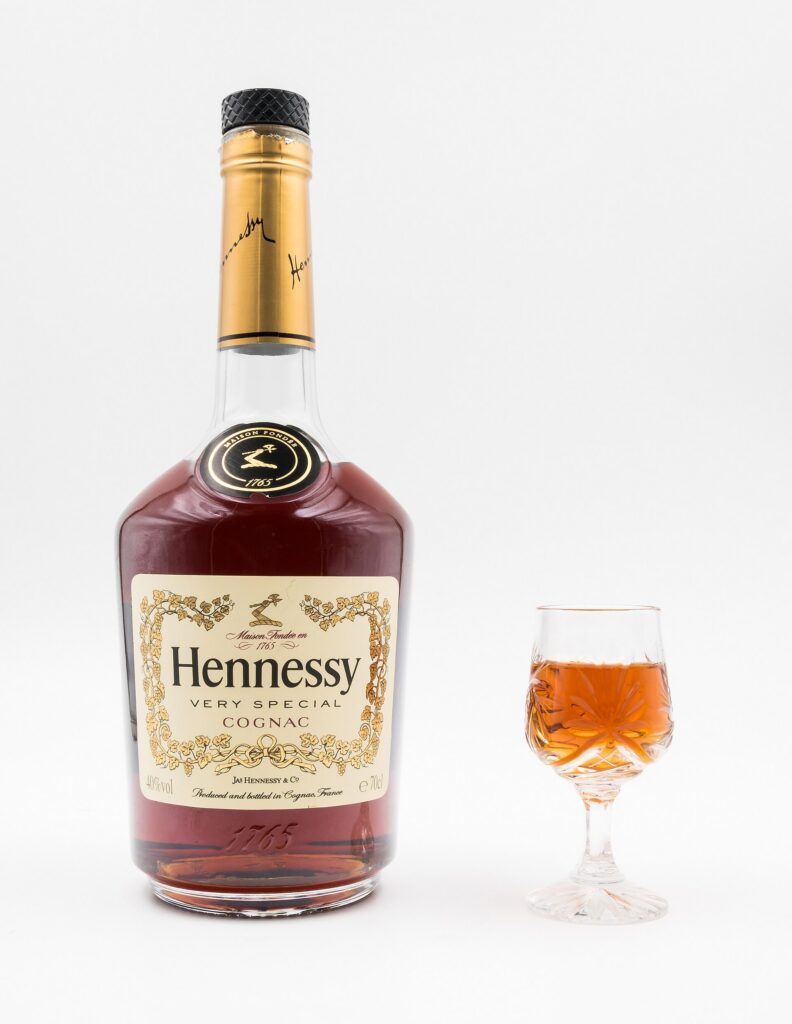
A protected French grape brandy with an interplay of fruit, flowers and oak. Younger expressions can emphasize fresh fruit and direct spice; mature examples may develop dried fruit, nuts, cocoa and complex savoury notes. Age categories provide boundaries, not automatic quality grades.
Color
Maturation
Alcohol
Sweetness
Balance
History
Cognac developed through the Charente wine trade, distillation and the growth of merchant houses. Double distillation became established in the seventeenth century, followed by an expanding international trade in the eighteenth and nineteenth centuries. Delimitation in 1909, appellation recognition in 1936 and cru definitions in 1938 progressively formalized its regional identity. These developments provide a stronger account than a single-inventor legend. BNIC: Cognac history.
Classic characteristics
Appearance
Clear gold to deep amber; visual depth alone cannot identify age category.
Aroma
Medium to pronounced; fruit, flowers, vanilla and spice, with mature dried-fruit or nutty detail.
Flavor
Fruit and oak in an integrated expression; developed examples may add cocoa or rancio associations.
Sweetness
Usually dry to sweet-seeming; permitted treatment and actual formulation matter.
Mouthfeel
Supple through rich and rounded, with varying tannic grip.
Finish
Medium to long in expressive examples; describe development as well as duration.
Flavor Profile Deep Dive
Judge fruit, oak and alcohol together within the stated age category; price or age term cannot substitute for the sample's quality. Investigate persistent solvent-like pungency, unpleasant stale character or wood astringency that overwhelms the intended expression. A descriptor alone cannot prove a distillation-cut error, additive use or chemical safety.
Service notes
Compare age categories within one house, then compare houses at the same category. This separates maturation progression from producer style. Ask which fruit notes remain and whether tannin, alcohol and aromatic development support one another. For guests, describe the actual expression and category without presenting price, darkness or age as proof of superiority. Cocktail use should follow the bottle's balance and the intended drink, rather than a blanket prohibition based on age.
Style parameters
| Parameter | Boundary or expectation |
|---|---|
| Base material | Eligible grape wine |
| Bottled strength | At least 40% under the Cognac specification; stronger bottlings also exist. |
| France: bottled ABV | at least 40%; see identity requirements. |
| United States: bottled ABV | at least 40%; Ordinary brandy identity; protected-origin specifications also apply. |
| Color and clarity | Clear gold to deep amber; visual depth alone cannot identify age category. |
| Maturation | Oak; VS two years, VSOP four, XO ten for the youngest component. |
| Additions | Do not interpret the appellation as a universal no-additions claim. |
Legal limits apply only to the named jurisdiction and identity. ADI entry conditions and typical sensory expectations are separate; a product example is not a universal range.
Cocktail connections
Browse published cocktails. Documented recipes, conditional style choices and development substitutions are labeled separately.
- Between The Sheets — documented; co-base.
- Brandy Alexander — documented; base.
- Champagne Cocktail — documented; supporting.
- French Connection — documented; base.
- Horse’s Neck — documented; base.
- Sazerac — documented; base.
- Sidecar — documented; base.
- Stinger — documented; base.
- Suffering Bastard — documented; co-base.
- Vieux Carré — documented; co-base.
Style comparison
Cognac is a geographically and technically defined type of brandy, not the generic French word for all brandy. It differs from Armagnac in origin and production rules and from unaged grape spirits in its required maturation. Mature aromatic complexity should not be reduced to a requirement that every older bottle taste strongly of wood.
Ingredients
Eligible grape wine
Production notes
Cognac is produced within its delimited French region from eligible wine, using the prescribed Charentais double-distillation process and oak maturation. VS, VSOP and XO indicate minimum maturation categories for the youngest spirit in the blend: two, four and ten years respectively. A blend may contain older components, but the category does not state its average age.
Commercial examples
No newly verified benchmark is designated in this revision. Select a documented qualifying expression before running a benchmark tasting.
Retained example and source context. BNIC production overview; BNIC age-category FAQ. U.S. recognition: the protected-brandy origin provisions. These summaries concern the listed core categories, not every permitted commercial age expression.
Photo credit
Hennessy VS Cognac. Photo: Jacek Halicki / Wikimedia Commons. CC BY-SA 4.0. Display resized; no other edits.

Keep exploring
- BNIC age-category explanation — evidence reviewed 2026-09-17.
- 27 CFR 5.145 — evidence reviewed 2026-09-17.