
Commercial Examples
Maxim Double Maxim, Newcastle Brown Ale, Riggwelter Yorkshire Ale, Samuel Smith's Nut Brown Ale, Wychwood Hobgoblin

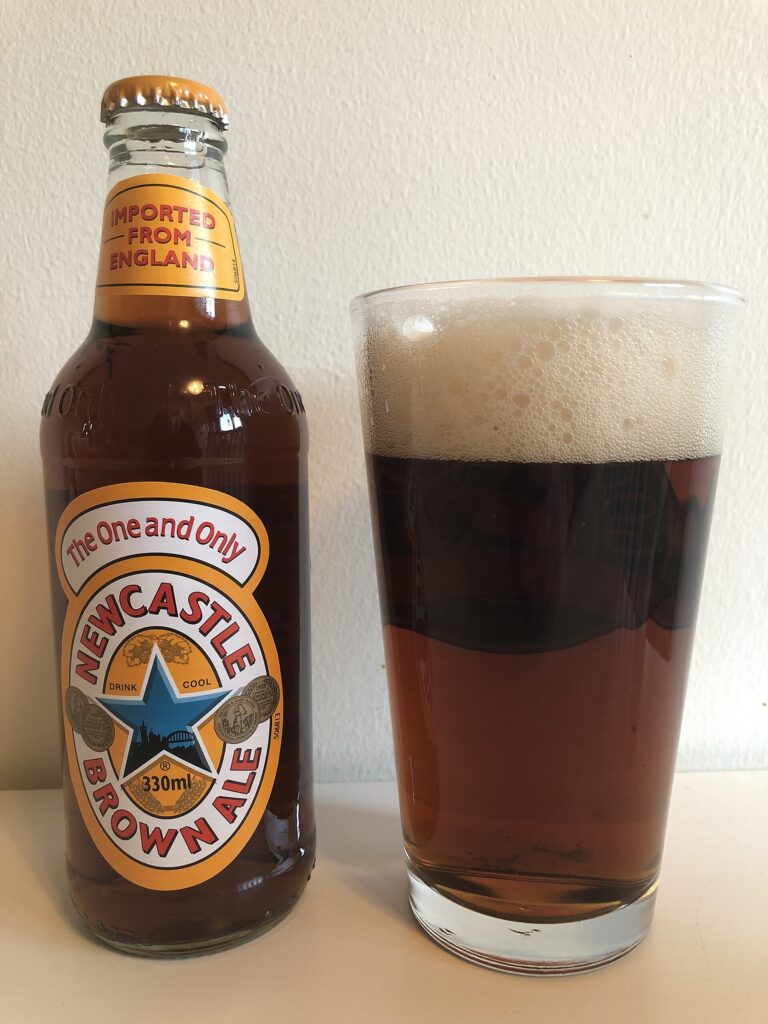
A malty, brown caramel-centric British ale without the roasted flavors of a Porter.
Taste, technology, and taxes. Along with the obvious limitations of agriculture, these three things have carried incredible historical weight in the establishment and evolution of beer styles. For as long as there has been ale in England, there have been laws regulating its quality and what it could be sold for. Typically paired with similar laws about the quality of bread–another instance of beer's long-running marriage to nutrition–the first concrete example we have comes from the Assize of Bread and Ale of 1266. Those laws were aimed both at taxing products and protecting consumers. As a rule, bread and ale laws in England also included measures…beer could only be served in amounts that were certified by royal gaugers. Punishment for pub owners trying to skimp people on their pint could have included the pillory and ducking stool (a punishment that led to more than a few deaths as it evolved).
As in every industry, new technologies heavily influenced (and continue to influence) styles in every way imaginable. One of the most universally impactful examples of this was the move toward indirect-fired drying in malt production. We'll have another, more detailed post on malt in the future, but to summarize, a maltster is trying to get all of the starch and protein we love in beer out of barley by tricking the kernels into believing that they're growing a new plant, then stopping them from actually growing. That way, we get all of the sugar that the barley kernel would have used as it grew underground until it reached the point that it could photosynthesize. As part of that process, the barley is soaked, then dried by heating and blowing air through it. Early in malting history, this would have been done using wood-fueled fire, meaning all malt would have been at least moderately smoky (in addition to being brown). By the early 1700s, however, malting technology advanced enough that the heating source was indirect…the finished malt, in other words, wouldn't have to be smoky (some folks, especially in Bamberg and Poland, chose to keep doing it the old way).
With this change, the smoky brown beers that would have been common in the previous century became a showcase of the flavors we now associate with medium-dark malts: caramel, toffee, molasses, and sometimes a little hint of chocolate. The brown ale, then, wasn't born out of a burst of brewing creativity, but rather out of standard brewing practice shifting gradually based on a new technology.
It might seem a little less sexy that way, but the resulting beer has a unique and now centuries-old flavor profile. Since that time, variations have evolved in the different regions of the UK…northern brewers' brown ales are often stronger, and slightly less sweet than their southern cousins. Newcastle Brown Ale, with its famous clear bottles that do nothing to keep that beautifully hued brew from skunking, fits the southern category well (ironically, that beer was developed partially to take advantage of new bottling technology in 1927…womp womp).
At Black Flannel, we brew our Nut Brown Ale in the southern English style. Sweet and full-bodied, this beer features flavors of toffee, caramel candy, and roasted walnuts, and we think it is a perfect pint on those cool fall nights that aren't quite cold enough for something darker.
Brown ale has a long history in Great Britain, although several different types of products used that name at various times. Modern brown ale is a 20th century creation as a bottled product; it is not the same as historical products of the same name. A wide range of gravities were brewed, but modern brown ales are generally of the stronger (by current UK standards) interpretation. Predominately but not exclusively a bottled product currently.
Brown, from dark amber to dark reddish-brown
Strongly malty with notes of caramel, nuts, toffee, molasses, and cocoa
Malty in balance Variations exist in level of sweetness
Medium body, with medium carbonation. When served on cask this beer takes on a creamy, fuller-bodied mouthfeel.
Overall Impression: A malty, brown caramel-centric British ale without the roasted flavors of a Porter.
Aroma: Light, sweet malt aroma with toffee, nutty, or light chocolate notes, and a light to heavy caramel quality. A light but appealing floral or earthy hop aroma may also be noticed. A light fruity aroma may be evident, but should not dominate.
Appearance: Dark amber to dark reddish-brown color. Clear. Low to moderate off-white to light tan head.
Flavor: Gentle to moderate malt sweetness, with a light to heavy caramel character and a medium to dry finish. Malt may also have a nutty, toasted, biscuity, toffee, or light chocolate character. Medium to medium-low bitterness. Malt-hop balance ranges from even to malt-focused; hop flavor low to none (floral or earthy qualities). Low to moderate fruity esters can be present.
Mouthfeel: Medium-light to medium body. Medium to medium-high carbonation.
Comments: A wide-ranging category with different interpretations possible, ranging from lighter-colored to hoppy to deeper, darker, and caramel-focused; however, none of the versions have strongly roasted flavors. A stronger Double Brown Ale was more popular in the past, but is very hard to find now. While London Brown Ales are marketed using the name Brown Ale, we list those as a different judging style due to the significant difference in balance (especially sweetness) and alcohol strength.
History: Brown ale has a long history in Great Britain, although several different types of products used that name at various times. Modern brown ale is a 20th century creation as a bottled product; it is not the same as historical products of the same name. A wide range of gravities were brewed, but modern brown ales are generally of the stronger (by current UK standards) interpretation. Predominately but not exclusively a bottled product currently.
Characteristic Ingredients: British mild ale or pale ale malt base with caramel malts. May also have small amounts of darker malts (e.g., chocolate) to provide color and the nutty character. English hop varieties are most authentic.
Style Comparison: More malty balance than British Bitters, with more malt flavors from darker grains. Stronger than a Dark Mild. Less roast than an English Porter. Stronger and much less sweet than London Brown Ale.
Vital Statistics: OG: 1.040 – 1.052 IBUs: 20 – 30 FG: 1.008 – 1.013 SRM: 12 – 22 ABV: 4.2 – 5.4%
Commercial Examples: Maxim Double Maxim, Newcastle Brown Ale, Riggwelter Yorkshire Ale, Samuel Smith's Nut Brown Ale, Wychwood Hobgoblin
English-Style Brown Ale Color: Copper to dark brown Clarity: Chill haze is acceptable at low temperatures Perceived Malt Aroma & Flavor: Roast malt may contribute to a biscuit or toasted aroma profile. Roast malt may contribute to the flavor profile. Malt profile can range from dry to sweet. Perceived Hop Aroma & Flavor: Very low Perceived Bitterness: Very low to low Fermentation Characteristics: Low to medium-low level fruity esters are appropriate. Diacetyl is usually absent in these beers but may be present at very low levels. Body: Medium Original Gravity: 1.040-1.050 (10-12.4 Plato) Final Gravity: 1.008-1.014 (2.1-3.6 Plato) Alcohol by Weight (Volume): 3.3%-4.7% (4.2%-6.0%) Bitterness (IBU): 12-25 Color SRM (EBC): 12-24 (24-48 EBC)
Two-row brewers malt British caramel malts Brown malt Light use of roasted malts English hops Expressive English ale yeast
A single infusion mash is traditional, and hopping is traditionally only one addition for bitterness early in the boil. Use brown malt at about 10-15% of the grain bill for the most traditional and enticing flavor profile (that malt isn't popular with most brewers of the style here in the US, but you'll be pleased if you give it a try). Plan to mash in the middle to upper range for a bigger body (152-154F). Fermented with English yeast for a pomme fruit fermentation profile.
At the Pub: Rabbit Tourtiere Takeout: Fish and chips Casual date: Charcuterie plate with sausages and cheese
Black Flannel Vermont Common
New: Morrissey, Viva Hate Old: "Jupiter" from Gustav Holst's The Planets
Maxim Double Maxim, Newcastle Brown Ale, Riggwelter Yorkshire Ale, Samuel Smith's Nut Brown Ale, Wychwood Hobgoblin