
Commercial Examples
Banks's Mild, Cain's Dark Mild, Highgate Dark Mild, Brain's Dark, Moorhouse Black Cat, Rudgate Ruby Mild, Theakston Traditional Mild

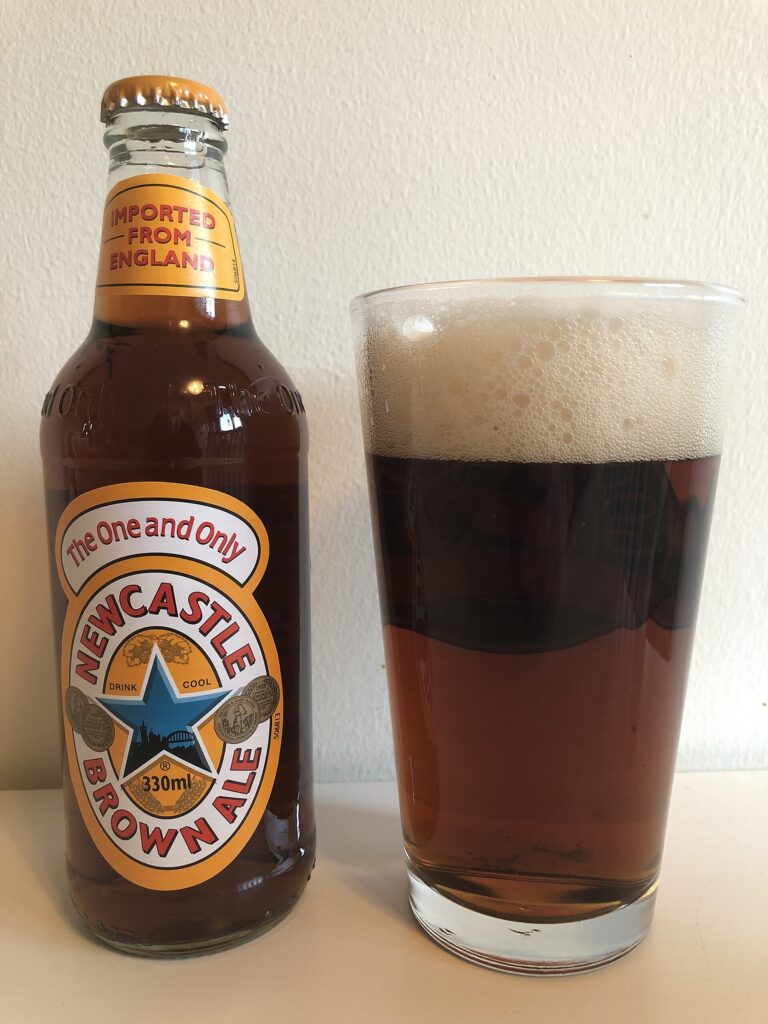
A dark, low-gravity, malt-focused British session ale readily suited to drinking in quantity. Refreshing, yet flavorful, with a wide range of dark malt or dark sugar expression.
Trends in beer are a very funny thing. In the 1980s and 90s, the craft industry made a concerted effort to produce bigger, more flavorful beer than what was available through macro producers. Although it has only been a small percentage of most brewers' production, big beer was in many ways another American industry arms race, with the largest, most flavorful stouts prized for their blatant disregard for moderation. In the past year or so, we've begun to see a subtle correction in that trend, with many brewers–Deschutes, Dogfish Head, and Bell's Brewery among them–producing low-calorie, sessionable offerings as a part of their regular lineups, and we here at Black Flannel are very excited about that trend.
Whether you're drinking sessionable beers because you're a little more health-conscious or because you'd just like to have more than one pint and be a functional human the next morning, smaller beers are a perfect break from massive 16% bourbon-aged imperial stouts. After all, you can only have so many of those before your palate, wallet, and work ethic are crushed under their boozy grandeur.
Cue our British drinking friends, who will gladly chime in with choruses of, "welcome to the pub scene." As we discussed in our posts on bitters, there are several historical, cultural, and social reasons why British beer is generally lower gravity than American beer, but one of those is sessionability. If anyone on earth has the low-strength brewing process on lock, it's English brewers. Bitters are still the dominant session beer across the pond, but dark mild is a unique category that fills the gap for drinkers who want something crushable, but with a malty twist.
Historically, "mild ale" was used not to designate low-strength beer, but young beer ("running" ale was used synonymously). "Stock," "old," and "stale" were used to designate the opposite…typically bigger beer that had been aged in casks. Just before the second world war, Mild was significantly more popular in England than it is today, accounting by some estimates to be 75-90% of beer consumed. Since it didn't have to be stored, it was generally cheaper, possibly leading the charge on marketability. Whatever the reason for that earlier popularity, mild fell out of favor after the war, as consumers turned toward the now-popular bitters as an alternative. Mild is now quite a bit harder to find in English pubs depending on the season (I speak from experience there…I spent several days drinking my way across London last summer and found only two of them on draught), but it's no less compelling a style. Brewed to be enjoyed over multiple pints, this beer still has the fuller body and flavor profile that craft drinkers want out of their glass without the ABV or calories.
We'll be focusing a fair amount of attention on session-strength beers with big flavors at Black Flannel, and we've got a wonderful Dark Mild that we'll be putting through the brewhouse from time to time, so ask for it when you stop by.
Historically, 'mild' was simply an unaged beer, and could be used as an adjective to distinguish between aged or more highly hopped keeping beers. Modern milds trace their roots to the weaker X-type ales of the 1800s, although dark milds did not appear until the 20th century. In current usage, the term implies a lower-strength beer with less hop bitterness than bitters. The term 'mild' is currently somewhat out of favor with consumers, and many breweries no longer use it. Increasingly rare. There is no historic connection or relationship between Mild and Porter.
Deep amber to brown
Light biscuity, bready malt with notes of caramel, toffee, molasses, and cocoa
Malty in balance
Medium body, with low carbonation leading to a creamy mouthfeel
Overall Impression: A dark, low-gravity, malt-focused British session ale readily suited to drinking in quantity. Refreshing, yet flavorful, with a wide range of dark malt or dark sugar expression.
Aroma: Low to moderate malt aroma, and may have some fruitiness. The malt expression can take on a wide range of character, which can include caramel, toffee, grainy, toasted, nutty, chocolate, or lightly roasted. Little to no hop aroma, earthy or floral if present. Very low to no diacetyl.
Appearance: Copper to dark brown or mahogany color. A few paler examples (medium amber to light brown) exist. Generally clear, although is traditionally unfiltered. Low to moderate off-white to tan head; retention may be poor.
Flavor: Generally a malty beer, although may have a very wide range of malt- and yeast-based flavors (e.g., malty, sweet, caramel, toffee, toast, nutty, chocolate, coffee, roast, fruit, licorice, plum, raisin). Can finish sweet to dry. Versions with darker malts may have a dry, roasted finish. Low to moderate bitterness, enough to provide some balance but not enough to overpower the malt. Fruity esters moderate to none. Diacetyl and hop flavor low to none.
Mouthfeel: Light to medium body. Generally low to medium-low carbonation. Roast-based versions may have a light astringency. Sweeter versions may seem to have a rather full mouthfeel for the gravity.
Comments: Most are low-gravity session beers around 3.2%, although some versions may be made in the stronger (4%+) range for export, festivals, seasonal and/or special occasions. Generally served on cask; session-strength bottled versions don't often travel well. A wide range of interpretations are possible. Pale versions exist, but these are even more rare than dark milds; these guidelines only describe the modern dark version.
History: Historically, 'mild' was simply an unaged beer, and could be used as an adjective to distinguish between aged or more highly hopped keeping beers. Modern milds trace their roots to the weaker X-type ales of the 1800s, although dark milds did not appear until the 20th century. In current usage, the term implies a lower-strength beer with less hop bitterness than bitters. The term 'mild' is currently somewhat out of favor with consumers, and many breweries no longer use it. Increasingly rare. There is no historic connection or relationship between Mild and Porter.
Characteristic Ingredients: Pale British base malts (often fairly dextrinous), crystal malt, dark malts or dark sugar adjuncts, may also include adjuncts such as flaked maize, and may be colored with brewer's caramel. Characterful British ale yeast. Any type of hops, since their character is muted and rarely is noticeable.
Style Comparison: Some versions may seem like lower gravity modern English porters. Much less sweet than London Brown Ale.
Vital Statistics: OG: 1.030 – 1.038 IBUs: 10 – 25 FG: 1.008 – 1.013 SRM: 12 – 25 ABV: 3.0 – 3.8%
Commercial Examples: Banks's Mild, Cain's Dark Mild, Highgate Dark Mild, Brain's Dark, Moorhouse Black Cat, Rudgate Ruby Mild, Theakston Traditional Mild
English-Style Dark Mild Ale Color: Reddish-brown to very dark Clarity: Chill haze is acceptable at low temperatures Perceived Malt Aroma & Flavor: Malt attributes such as caramel, licorice, roast or others may be present in aroma and flavor. Perceived Hop Aroma & Flavor: Very low Perceived Bitterness: Very low to low Fermentation Characteristics: Diacetyl is usually absent in these beers but may be present at very low levels. Fruity esters are very low to medium-low. Body: Medium-low to medium Original Gravity: 1.030-1.036 (7.6-9 Plato) Final Gravity: 1.004-1.008 (1-2.1 Plato) Alcohol by Weight (Volume): 2.7%-3.4% (3.4%-4.4%) Bitterness (IBU): 10-24 Color SRM (EBC): 17-34 (34-68 EBC)
Two-row brewers malt British caramel malts Light use of roasted malt/grain Some brewers use simple sugar English hops Expressive English ale yeast
A single infusion mash is traditional, and hopping is traditionally only one addition for bitterness early in the boil. Paradoxically, some British brewers use simple sugar, which would presumably lower the final gravity. Plan to mash in the upper range for a bigger body (154-156F is a good spot to start). Fermented with English yeast for a pomme fruit fermentation profile.
At the Pub: Smash burger and fries Takeout: Fish and chips Casual date: Swanky sandwiches
Black Flannel Vermont Common
Banks's Mild, Cain's Dark Mild, Highgate Dark Mild, Brain's Dark, Moorhouse Black Cat, Rudgate Ruby Mild, Theakston Traditional Mild