
Whiskey
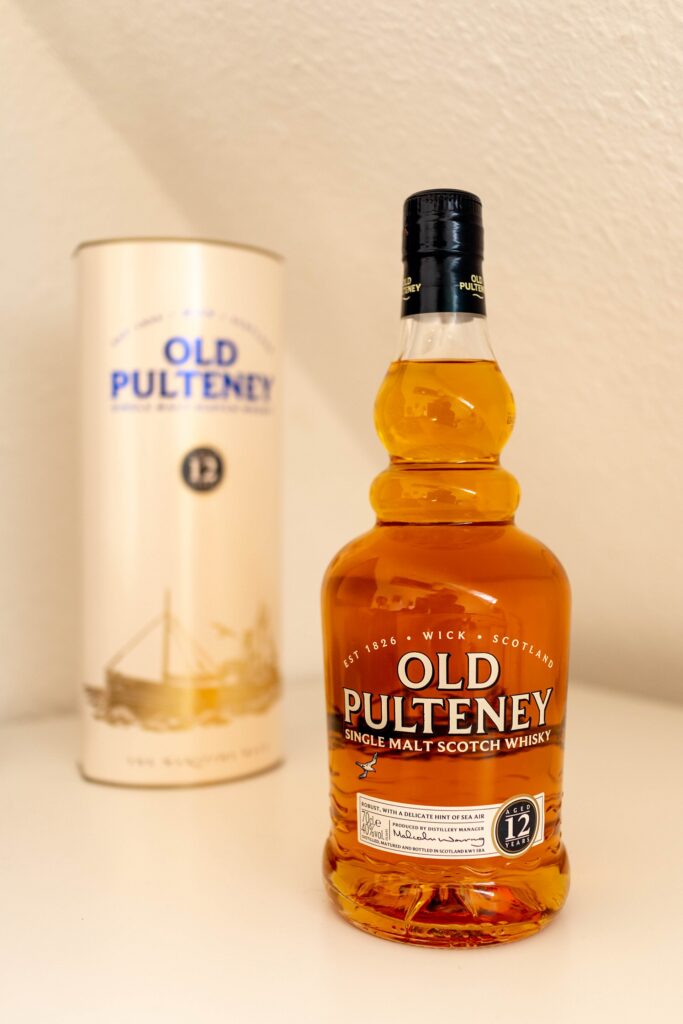
The broad grain-distillate family, retaining grain-derived character and developing a range of fruit, cereal, wood and spice expressions. ADI also places whiskey distilled from bourbon or rye mash within this entry. Its breadth makes a single narrow sensory target inappropriate; the specific production should guide interpretation.
Color
Maturation
Alcohol
Sweetness
Balance
History
Whiskey’s recorded history is older than its modern national categories. The Scottish Exchequer record of 1494, recording malt supplied for making aqua vitae, is an important surviving documentary milestone. It is evidence of production, not proof that whiskey was invented that year. The category subsequently developed through regional ingredients, equipment, commerce and regulation, making any one-date origin story inadequate for the whole family. Scotch Whisky Association: historical chronology.
Classic characteristics
Appearance
Colourless in qualifying corn exceptions through deep amber; most wood-stored examples show some colour.
Aroma
Light to pronounced grain, fruit, vanilla, nuts, spice or smoke, depending on documented production.
Flavor
Recognizable whiskey character with variable balance of grain, fermentation and maturation influences.
Sweetness
Usually dry to sweet-seeming; broader identities and treatments require product-specific verification.
Mouthfeel
Light to full, silky to oily or tannic; no single texture defines the umbrella.
Finish
Short to long; assess coherence and balance against the declared product rather than a universal target.
Flavor Profile Deep Dive
Establish the exact legal subtype and production before scoring; a broad whiskey name alone gives insufficient sensory context. Investigate persistent solvent-like pungency, unpleasant stale character or wood astringency that overwhelms the intended expression. A descriptor alone cannot prove a distillation-cut error, additive use or chemical safety.
Service notes
Start with a production map: grain, distillation, cask, age and bottling strength. Use those facts to explain why the bottle is labelled whiskey rather than a more specific type. Compare a used-cask American whiskey with a new-charred-oak example where possible, while acknowledging other variables. Staff should describe what the product is and how it tastes without treating a less specific legal name as an admission of inferior quality.
Style parameters
| Parameter | Boundary or expectation |
|---|---|
| Base material | Fermented grain mash; identify grain and component types |
| Bottled strength | Apply W for U.S. whiskey; record actual strength and any origin-market differences. |
| United States: bottled ABV | at least 40%; Whiskey identity; protected origin and named types have additional rules. |
| Color and clarity | Colourless in qualifying corn exceptions through deep amber; most wood-stored examples show some colour. |
| Maturation | Oak storage under general U.S. rules, except qualifying corn whiskey; subtype determines further constraints. |
| Additions | Depends on the exact identity; generic whiskey does not automatically carry straight-whiskey restrictions. |
Legal limits apply only to the named jurisdiction and identity. ADI entry conditions and typical sensory expectations are separate; a product example is not a universal range.
Cocktail connections
Style comparison
This entry is not a quality category for bottles that failed to become bourbon or single malt. A producer may intentionally choose used wood, a mixed mash or another method that creates a desirable but differently named whiskey. Conversely, merely ageing neutral spirit in a barrel does not establish whiskey if the distillation and raw-material requirements are not met.
Ingredients
Fermented grain mash; identify grain and component types
Production notes
the U.S. whiskey standard gives the general U.S. whiskey identity and explains why some products do not meet more specific bourbon, rye or malt requirements. A whiskey distilled from a named mash can use a different permitted storage regime from the corresponding named whiskey type. Therefore, “distilled from bourbon mash” does not automatically mean the finished spirit is bourbon. Other countries' generic whisky rules can differ, so the bottle's origin and complete legal designation remain essential.
Commercial examples
Retained example and source context. Michter's US★1 Unblended American Whiskey documents whiskey-soaked barrels as a production distinction. ADI scope: S131; the U.S. whiskey standard.
Photo credit
Old Pulteney 12 Year Old whisky. Photo: Numitr0n / Wikimedia Commons. CC BY-SA 4.0. Display resized; no other edits.

Keep exploring
- 27 CFR 5.143 — evidence reviewed 2026-09-18.