
Commercial Examples
Affligem Blond, Grimbergen Blond, La Trappe Blond, Leffe Blond, Val-Dieu Blond

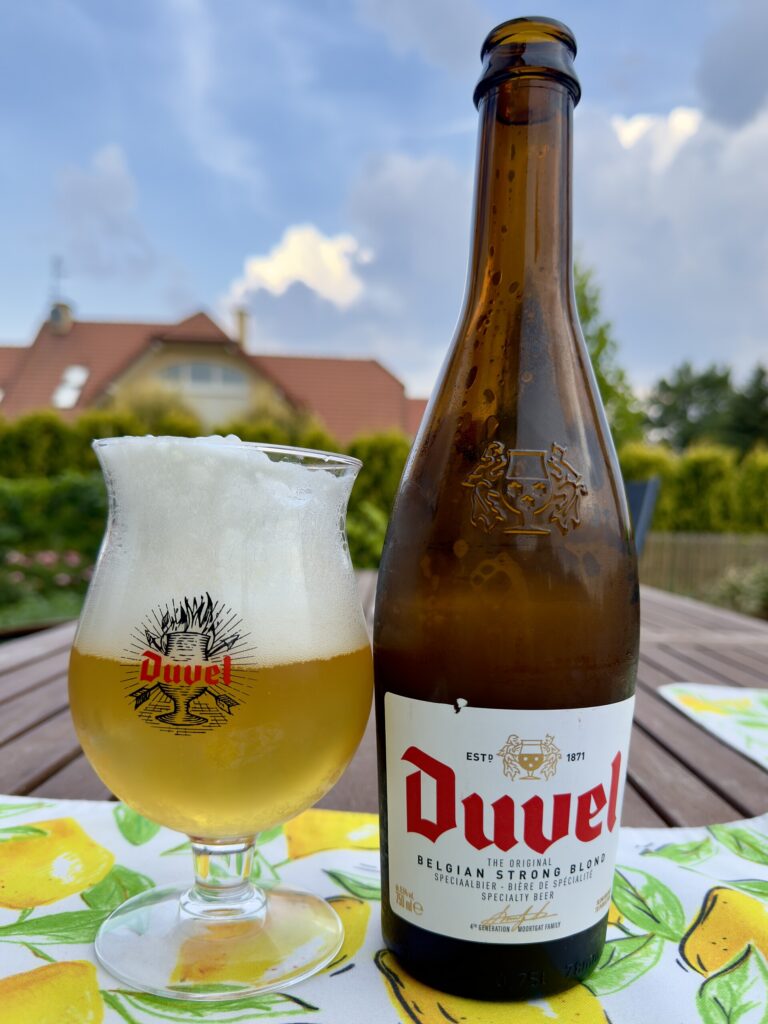
A lightly sweet, moderate strength Belgian ale with lighter-than-average yeast character and an off-dry finish. Often has an almost lager-like character, which gives it a cleaner profile compared to many other Belgian styles. A wonderful introduction to Belgian ales for newcomers.
Like most monastery breweries, the two predominant examples—Leffe Blonde and Affligem Blonde—claim roots dating back nearly 1000 years. Notre-Dame de Leffe was founded in 1152, and Affligem was built by Benedictine monks in 1074. Despite facing hardships and frequently hiring lay persons to brew their beer, both monasteries maintained brewing traditions through centuries.
As big beer consolidated the market, both Leffe and Affligem were acquired—Leffe by AB InBev, and Affligem by Heineken. While both breweries claim their recipes have remained unchanged since founding days, this is unlikely due to dramatic changes in malt, hops, and yeast science over 1000 years.
Modern versions of Belgian Blond Ale are reactions to the pilsner boom of the nineteenth century. Every brewer needed a pale, refreshing beer with mass market appeal, and this was the Belgian answer. The style developed as monasteries and commercial breweries sought to compete with the popularity of pilsner while maintaining Belgian brewing traditions.
Modern examples are malty, refreshing beers that retain some of the complexity of stronger Belgian styles. The evolution reflects the influence of pilsner brewing science combined with Belgian yeast character and ingredient traditions. Most commercial examples are in the 6.5-7% ABV range.
Light to deep gold color, generally very clear. Large, dense, and creamy white to off-white head with good retention. Belgian lace is characteristic as the head fades.
Light earthy or spicy hop nose with a lightly grainy-sweet malt character. Shows a subtle yeast character that may include spicy phenolics, perfumy or honey-like alcohol, or yeasty, fruity esters (commonly orange-like or lemony). Light sweetness that may have a slightly sugar-like character. Subtle yet complex.
Smooth, light to moderate grainy-sweet malt flavor initially, finishing medium-dry to dry with some smooth alcohol becoming evident in the aftertaste. Medium hop and alcohol bitterness to balance. Light hop flavor with spicy or earthy quality. Very soft yeast character with optional light spicy phenolics. Some lightly caramelized sugar or honey-like sweetness on palate.
Lightly grainy malt sweetness with honey notes provides the foundation. Subtle fruity esters from yeast—orange-like or lemony—add complexity. Smooth, clean profile that emphasizes balance over intensity.
Light spicy phenolic character from yeast. Subtle noble hop character. Honey-like or sugar-like sweetness from ingredients and yeast fermentation. Very low roasted malt character.
Dry to medium-dry finish with smooth alcohol warmth. Lingering subtle yeast character. Clean, crisp final impression.
Serve in a pilsner glass at 38-40°F. A perfect food-friendly beer for diverse cuisines. The balance and moderate alcohol make this approachable while maintaining interesting complexity.
Overall Impression: A moderate-strength golden ale that has a subtle fruity-spicy Belgian yeast complexity, slightly malty-sweet flavor, and dry finish.
Aroma: Light earthy or spicy hop nose, along with a lightly grainy-sweet malt character. Shows a subtle yeast character that may include spicy phenolics, perfumy or honey-like alcohol, or yeasty, fruity esters (commonly orange-like or lemony). Light sweetness that may have a slightly sugar-like character. Subtle yet complex.
Appearance: Light to deep gold color. Generally very clear. Large, dense, and creamy white to off-white head. Good head retention with Belgian lace.
Flavor: Smooth, light to moderate grainy-sweet malt flavor initially, but finishes medium-dry to dry with some smooth alcohol becoming evident in the aftertaste. Medium hop and alcohol bitterness to balance. Light hop flavor, can be spicy or earthy. Very soft yeast character (esters and alcohols, which are sometimes perfumy or orange/lemon-like). Light spicy phenolics optional. Some lightly caramelized sugar or honeylike sweetness on palate.
Mouthfeel: Medium-high to high carbonation, can give mouth-filling bubbly sensation. Medium body. Light to moderate alcohol warmth, but smooth. Can be somewhat creamy.
Comments: Often has an almost lager-like character, which gives it a cleaner profile in comparison to many other Belgian styles. Belgians use the term Blond, while the French spell it Blonde. Most commercial examples are in the 6.5 – 7% ABV range. Many Trappist or artisanal Belgian beers are called Blond but those are not representative of this style.
History: Relatively recent development to further appeal to European Pils drinkers, becoming more popular as it is heavily marketed and widely distributed.
Characteristic Ingredients: Belgian Pils malt, aromatic malts, sugar, Belgian yeast strains that produce complex alcohol, phenolics and perfumy esters, Saazer-type, Styrian Goldings, or East Kent Goldings hops. Spices are not traditionally used, although the ingredients and fermentation by-products may give an impression of spicing (often reminiscent of oranges or lemons). If spices are present, should be a background character only.
Style Comparison: Similar strength as a Dubbel, similar character as a Belgian Strong Golden Ale or Tripel, although a bit sweeter and not as bitter.
Vital Statistics: OG: 1.062 – 1.075 IBUs: 15 – 30 FG: 1.008 – 1.018 SRM: 4 – 7 ABV: 6.0 – 7.5%
Commercial Examples: Affligem Blond, Grimbergen Blond, La Trappe Blond, Leffe Blond, Val-Dieu Blond
Belgian-Style Blonde Ale
Color: Pale to light amber
Clarity: Chill haze is acceptable at low temperatures
Perceived Malt Aroma & Flavor: Malt aroma and flavor is low
Perceived Hop Aroma & Flavor: Not present to low. Noble-type hops are commonly used.
Perceived Bitterness: Very low to medium-low
Fermentation Characteristics: Low to medium fruity esters are balanced with low level malt attributes. Low level yeast-derived phenolic spiciness may be present. Diacetyl and acidic character should not be present.
Body: Low to medium
Original Gravity (Plato) 1.054-1.068 (13.3-16.6 Plato) – Apparent Extract/Final Gravity (Plato) 1.008-1.014 (2.1-3.6 Plato) – Alcohol by Weight (Volume) 5.0%-6.2% (6.3%-7.9%) – Bitterness (IBU) 15-30 – Color SRM (EBC) 4-7 (8-14 EBC)
Belgian Pils malt with aromatic malts and simple sugar. Belgian yeast strains that produce complex alcohol, phenolics and perfumy esters.
Abbey Ale Yeast or similar Belgian strains that produce fruity and phenolic compounds. Some brewers allow fermentation to free-rise to warmer temperatures (Leffe allowed to reach 77°F).
Soft to moderately soft water typical of Belgian brewing regions.
Single infusion mash with step mashes optional. Fermentation temperature control is important for yeast character development.
Moderate to warm ale fermentation temperatures to develop characteristic yeast complexity. Bottle conditioning may be used for traditional examples.
At the Pub: Scotch Egg
Brunch: Belgian Waffles, fresh berries, vanilla whipped cream
Cheese pairing: Triple Cream Brie
Triple Cream Brie, Camembert, mild aged cheddar
Scotch eggs, light poultry dishes, seafood, pâté, cured meats
Light fruit desserts, vanilla-based sweets, honey cakes
Agave Dream
New: Wilco
Old: Cesar Franck, Violin Sonata in A Major
Affligem Blond, Grimbergen Blond, La Trappe Blond, Leffe Blond, Val-Dieu Blond