
Commercial Examples
Duvel, Duvel Golden Ale, Lucifer, Delirium Tremens, Tripel Karmeliet, Westmalle Tripel, Russian River Damnation

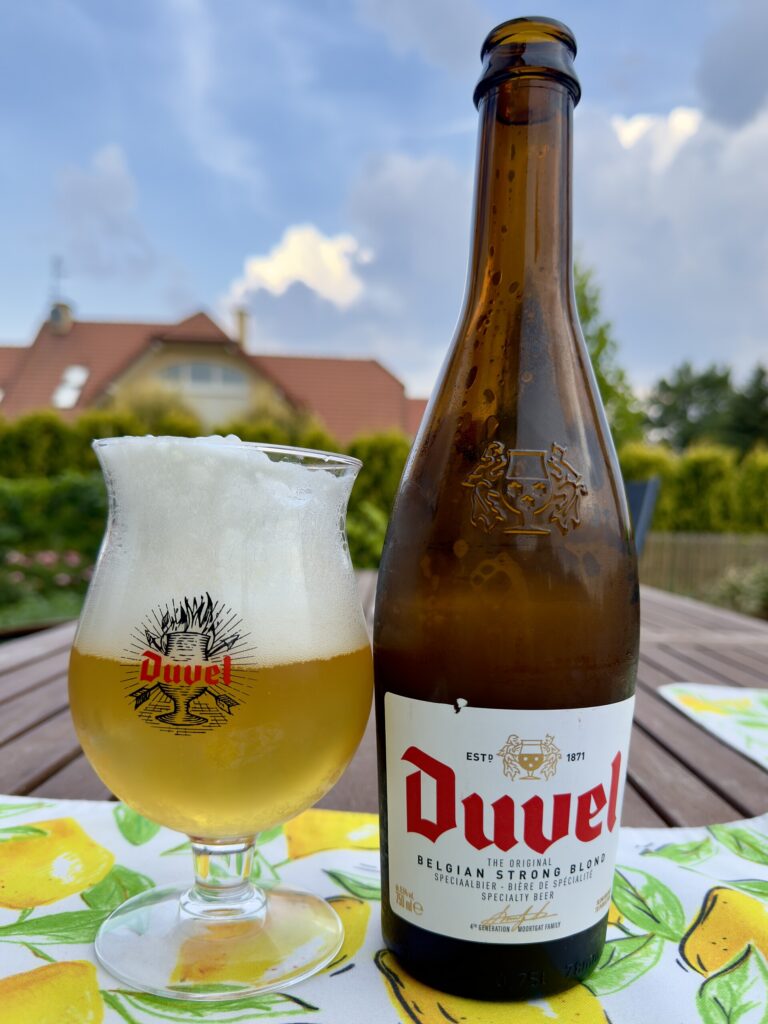
The Belgian Golden Strong Ale is a pale yet powerful beer that showcases Belgian brewing at its most sophisticated. Despite high gravity and alcohol content, these beers remain light-bodied and elegant, with complex yeast character and subtle fruit esters replacing the heavy malt character one might expect.
The modern Belgian Golden Strong Ale owes its existence to Duvel, the iconic beer created by the Moortgat brewery. During the 1970s, Moortgat undertook a significant reformulation of their brewhouse, resulting in the refined, pale version that set the template for the category. Beer critic Michael Jackson's influential naming of the category helped establish it as a distinct style.
Belgium, particularly Flanders and Wallonia, claims this style as its own, though Duvel's dominance in production and influence means the modern style is essentially defined by one brewery.
Belgian Golden Strong Ale has achieved remarkable production scale while maintaining its refined character. Duvel alone produces over 7000 barrels weekly, a testament to the style's popularity. Other breweries have adopted similar approaches, though production remains concentrated in Belgium.
Pale golden to golden color, typically clear with excellent clarity. Active white head with fine bubbles and excellent retention. The appearance belies the high alcohol content—the beer looks lighter than it is.
Complex fruity esters dominating, with notes of citrus, pear, apricot, and subtle herbal notes from noble hops. Some spicy phenolic character may be present (ferulic acid/4-vinyl guaiacol from Belgian yeast). Very little malt aroma despite high gravity.
Dry and fruity with complex Belgian yeast character. Citrus and stone fruit flavors (peach, apricot, pear) blend with subtle herbal hop notes and a lingering spiciness. The finish is crisp and dry, with alcohol providing warmth but not harshness. Very little malt character for the gravity level.
Complex fruit esters (citrus, stone fruit) balanced against herbal hop character and Belgian yeast spice. Despite the high gravity, the flavor remains refined and elegant rather than heavy.
Subtle floral notes, hints of white pepper or nutmeg from phenolics, lingering herbal characteristics.
Dry, warming finish with lingering citrus and spice. The alcohol presence is felt but not harsh. Excellent drinkability despite the strength.
Serve at 50-55°F in a flute or tulip glass to showcase the carbonation and aroma. This beer rewards contemplation and pairs beautifully with food.
Overall Impression: A pale, complex, effervescent, strong Belgian-style ale that is highly attenuated and features fruity and hoppy notes in preference to phenolics.
Aroma: Complex with significant fruity esters, moderate spiciness and low to moderate alcohol and hop aromas. Esters are reminiscent of lighter fruits such as pears, oranges or apples. Moderate to moderately low spicy, peppery phenols. A low to moderate yet distinctive perfumy, floral hop character is often present. Alcohols are soft, spicy, perfumy and low-to-moderate in intensity. No hot alcohol or solventy aromas. The malt character is light and slightly grainy-sweet to nearly neutral.
Appearance: Yellow to medium gold in color. Good clarity. Effervescent. Massive, long-lasting, rocky, often beady, white head resulting in characteristic Belgian lace on the glass as it fades.
Flavor: Marriage of fruity, spicy and alcohol flavors supported by a soft malt character. Esters are reminiscent of pears, oranges or apples. Low to moderately low phenols are peppery in character. A low to moderate spicy hop character is often present. Alcohols are soft and spicy, and are low-to-moderate in intensity. Bitterness is typically medium to high from a combination of hop bitterness and yeast-produced phenolics. Substantial carbonation and bitterness leads to a dry finish with a low to moderately bitter aftertaste.
Mouthfeel: Very highly carbonated; effervescent. Light to medium body, although lighter than the substantial gravity would suggest. Smooth but noticeable alcohol warmth. No hot alcohol or solventy character.
Comments: References to the devil are included in the names of many commercial examples of this style, referring to their potent alcoholic strength and as a tribute to the original example (Duvel). The best examples are complex and delicate. High carbonation helps to bring out the many flavors and to increase the perception of a dry finish. Traditionally bottle-conditioned (or refermented in the bottle).
History: Originally developed by the Moortgat brewery after WWI as a response to the growing popularity of Pilsner beers.
Characteristic Ingredients: Pilsner malt with substantial sugary adjuncts. Saazer-type hops or Styrian Goldings are commonly used. Belgian yeast strains are used – those that produce fruity esters, spicy phenolics and higher alcohols – often aided by slightly warmer fermentation temperatures. Fairly soft water. Spicing is not traditional; if present, should be a background character only.
Style Comparison: Strongly resembles a Tripel, but may be even paler, lighter-bodied and even crisper and drier; the drier finish and lighter body also serves to make the assertive hopping and yeast character more prominent. Tends to use yeast that favor ester development (particularly pome fruit) over spiciness in the balance.
Vital Statistics: OG: 1.070 – 1.095 IBUs: 22 – 35 FG: 1.005 – 1.016 SRM: 3 – 6 ABV: 7.5 – 10.5%
Commercial Examples: Brigand, Delirium Tremens, Dulle Teve, Duvel, Judas, Lucifer, Piraat, Russian River Damnation
Belgian-Style Pale Strong Ale
Color: Pale to copper
Clarity: Chill haze is acceptable at low temperatures
Perceived Malt Aroma & Flavor: Malt character is low to medium. A complex fruitiness is often present.
Perceived Hop Aroma & Flavor: Medium-low to medium-high
Perceived Bitterness: Medium-low to medium-high
Fermentation Characteristics: Low to medium fruity-estery aromas should be present. Yeast-derived phenolic spicy flavors and aromas should be present at low to medium-low levels. Diacetyl is usually absent in these beers but may be present at very low levels.
Body: Very low to medium
Additional notes: These beers are often brewed with light-colored Belgian candy sugar. Herbs and spices are sometimes used to delicately flavor these strong ales. These beers can be malty in overall impression or dry and highly attenuated. They can have a deceptively high alcohol character and a relatively light body for beers of high alcoholic strength. Some versions may be equally high in alcohol with a more medium in body.
Original Gravity (Plato) 1.064-1.096 (15.7-22.9 Plato) – Apparent Extract/Final Gravity (Plato) 1.008-1.024 (2-6.1 Plato) – Alcohol by Weight (Volume) 5.6%-8.8% (7.1%-11.2%) – Bitterness (IBU) 20-50 – Color SRM (EBC) 3.5-10 (7-20 EBC)
Pale Belgian malts form the base, with minimal use of darker malts. Some producers use small amounts of sugar (candi syrup) for gravity and refinement without adding malt character.
Noble varieties (Hallertau, Saaz, Spalt) used in moderate amounts (22-35 IBU). Hops should provide balance and herbal notes without dominating.
Belgian ale yeast with moderate attenuation (producing a fairly dry beer) and excellent fruity ester production. The yeast character is critical to the style.
Soft to moderately hard water without excessive minerals. The emphasis is on the yeast and hops rather than water character.
Single infusion mash in the mid-temperature range, designed for good fermentability and crisp flavor profile.
Warm fermentation (65-75°F) bringing out ester production. Many examples are bottle-conditioned, adding secondary fermentation character and additional carbonation.
At the Pub: Scotch Egg
Brunch: Belgian Waffles, fresh berries, vanilla whipped cream
Cheese pairing: Triple Cream Brie
Aged gouda, sharp cheeses, aromatic varieties
Seared scallops, roasted chicken with herbs, pork chops, light seafood preparations
Lemon tart, citrus-based desserts, light fruit preparations
Agave Dream
New: Billie Eilish
Old: George Crumb, Black Angels
Duvel, Duvel Golden Ale, Lucifer, Delirium Tremens, Tripel Karmeliet, Westmalle Tripel, Russian River Damnation