
Sotol
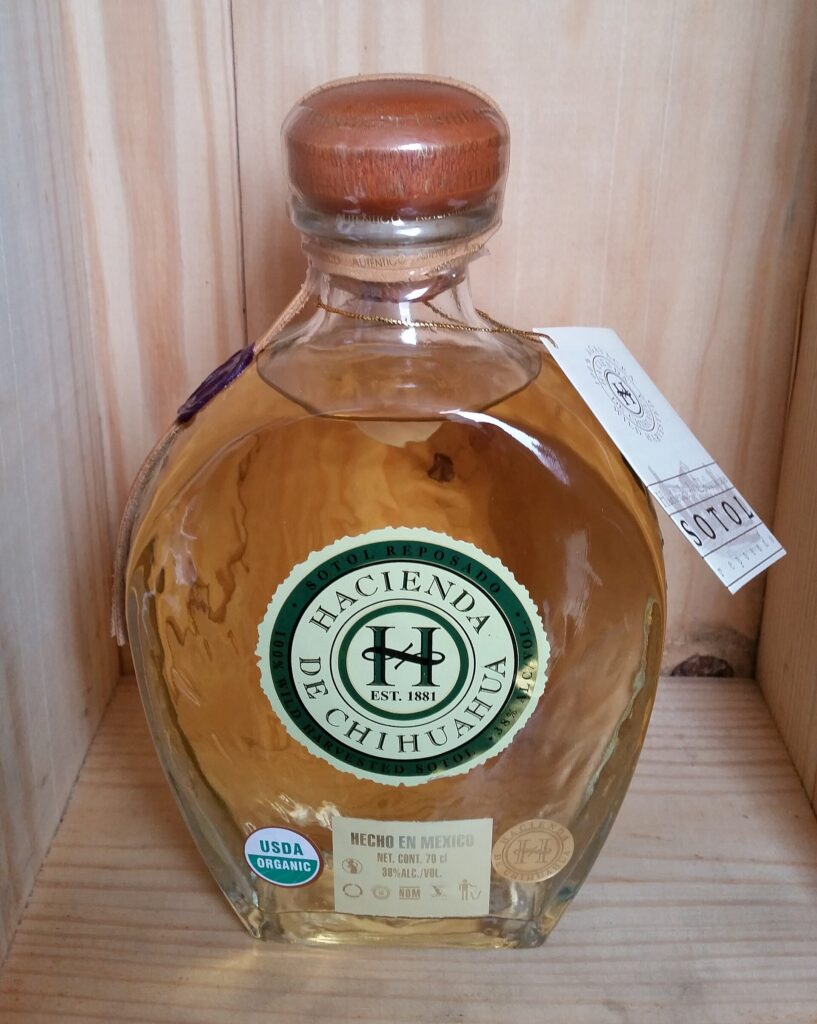
A northern Mexican Dasylirion spirit with potentially grassy, earthy, herbal, roasted and fruity character. Smoke can be present but is not obligatory. Good examples retain distinct plant and fermentation expression beneath any roasting or maturation influence, with alcohol proportionate to their aromatic concentration.
Color
Maturation
Alcohol
Sweetness
Balance
History
Sotol’s modern protected identity was established by Mexico’s denomination-of-origin declaration in August 2002. That declaration formalized a regional spirit associated with northern Mexico rather than creating a new beverage. It provides a dependable institutional milestone. Older use of the sotol plant as food or material should not, without separate evidence, be converted into claims for equally ancient distilled sotol production. Mexico: Sotol denomination-of-origin declaration, 2002.
Classic characteristics
Appearance
Colourless in blanco; pale yellow through amber in adjusted or wood-matured expressions.
Aroma
Medium to pronounced grass, herbs, earth, roasted plant and fruit; smoke varies with process.
Flavor
Vegetal, earthy and peppery possibilities, with fermentation fruit and optional wood-derived spice.
Sweetness
Commonly dry in impression; permitted adjustments mean absence of sweetening cannot be assumed universally.
Mouthfeel
Light to full, sometimes oily or mineral-like in impression; alcohol should not erase plant character.
Finish
Medium to long; herbal, earthy, roasted or gently smoky, with oak where applicable.
Flavor Profile Deep Dive
Assess the documented Dasylirion expression; do not require an agave profile or mandatory smokiness. Investigate persistent unpleasant solvent-like, stale or sulfurous character in context. Do not diagnose a specific production error from one aroma; appropriate fermentation character and proof-related warmth are not automatic faults.
Service notes
Present origin, species where documented, cooking method and bottling strength alongside the sample. Compare an unaged expression with an agave spirit to teach similarities without collapsing their identities. Staff should use “Dasylirion spirit from northern Mexico” before discussing more specific flavour notes. Check the actual market label rather than assume the Mexican strength range settles every importing-country requirement.
Style parameters
| Parameter | Boundary or expectation |
|---|---|
| Base material | Dasylirion species; not agave |
| Bottled strength | Mexican NOM range 35–55% ABV; record the export-market bottle separately. |
| Mexico: bottled ABV | at least 35% and at most 55%; see identity requirements. |
| Color and clarity | Colourless in blanco; pale yellow through amber in adjusted or wood-matured expressions. |
| Maturation | Blanco, joven, reposado and añejo exist; NOM reposado at least two months, añejo at least one year. |
| Additions | Category and type govern permissions; 100% pure denotes fermentable origin, not a universal additive-free claim. |
Legal limits apply only to the named jurisdiction and identity. ADI entry conditions and typical sensory expectations are separate; a product example is not a universal range.
Cocktail connections
Browse published cocktails. Documented recipes, conditional style choices and development substitutions are labeled separately.
No established classic or recognized modern cocktail match was found for this specific style in the sources reviewed. This records a research gap, not proof that no cocktail exists. No neighboring style has been substituted to fill the space.
Style comparison
Protected origin and Dasylirion raw material establish identity. A smoky aroma does not turn sotol into mezcal, and a grassy profile cannot establish the plant species. The standard's breadth means production details are particularly valuable when comparing examples. Different roasting, fermentation and still choices can create substantial variation within the same denomination.
Ingredients
Dasylirion species; not agave
Production notes
Mexico's denomination covers Chihuahua, Coahuila and Durango. NOM-159 addresses eligible Dasylirion species and distinguishes 100% pure sotol from a category permitting other fermentable sugars. ADI's description is too narrow: the standard is not restricted to D. wheeleri, above-ground ovens or column stills. Documented producers also use underground cooking and copper pot distillation. Dasylirion is botanically distinct from agave, so sotol should not be described as tequila or mezcal.
Commercial examples
No newly verified benchmark is designated in this revision. The original example discussion below remains a research lead, with its original qualifications.
Retained example and source context. Sotol Por Siempre production, 45%, documents pit cooking and pot distillation. NOM-159-SCFI-2004. ADI scope: S085, corrected as explained.
Photo credit
Hacienda de Chihuahua Sotol Reposado. Photo: Dominic Lockyer / Wikimedia Commons. CC BY 2.0. Display resized; no other edits.

Keep exploring
- NOM-159-SCFI-2004 — evidence reviewed 2026-09-17.