
Single Distilled Shochu
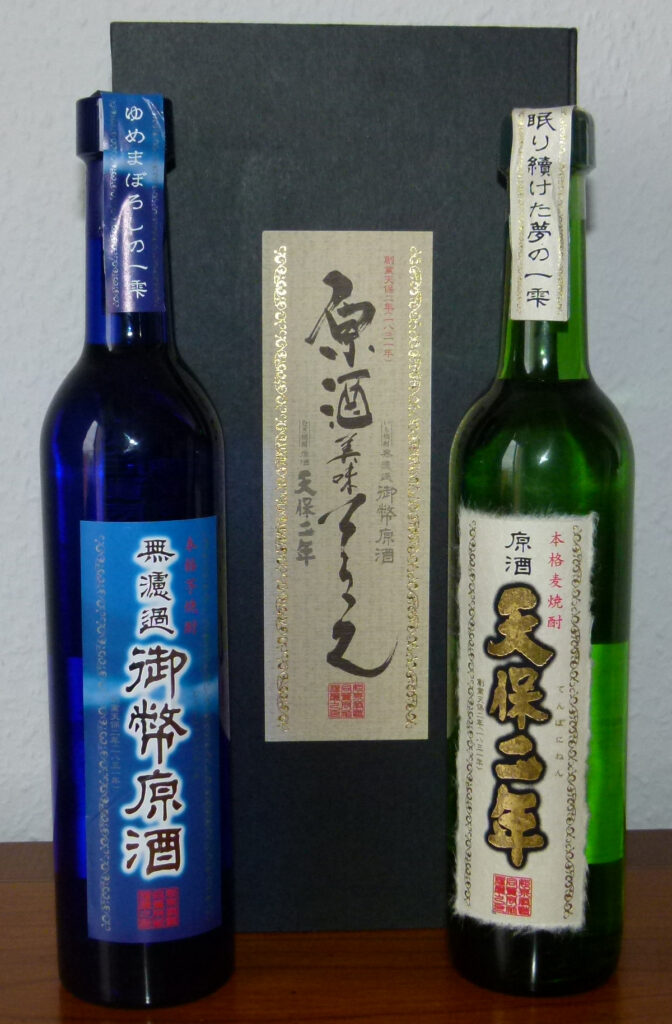
A characterful Japanese spirit family in which raw material, koji, fermentation and distillation can remain clearly expressive. Rice, barley, sweet potato, brown sugar and other permitted materials yield markedly different profiles; the entry should be taught as a family with branches.
Color
Maturation
Alcohol
Sweetness
Balance
History
Single-distilled shochu belongs to Japan’s older regional distilling traditions. The Japan Sake and Shochu Makers Association describes several possible routes by which distillation reached Japan, including connections through the Ryukyu Islands, Korea and Southeast Asia. The evidence does not support reducing those exchanges to one certain inventor or route. Regional ingredients and local production knowledge subsequently gave this branch its varied identities. Japan Sake and Shochu Makers Association: shochu history.
Classic characteristics
Appearance
Usually colourless; wood-treated examples can show pale colour.
Aroma
Rice: delicate fruit/floral; barley: cereal/toast; sweet potato: earthy, floral or tropical fruit.
Flavor
Raw-material and fermentation expression, from delicate to savoury and concentrated.
Sweetness
Normally dry, often with a pronounced sweet aromatic impression.
Mouthfeel
Light through rounded or oily; retained character can remain apparent after dilution.
Finish
Short through long; assess the clarity and persistence of the intended expression.
Flavor Profile Deep Dive
Set the expectation by substrate, koji and pressure regime; rice, barley and sweet-potato examples should not be forced into one profile. Investigate persistent unpleasant solvent-like, stale or sulfurous character in context. Do not diagnose a specific production error from one aroma; appropriate fermentation character and proof-related warmth are not automatic faults.
Service notes
Build a flight around raw materials rather than price or presumed strength. Taste at consistent temperatures, then compare a documented serving approach with water. Ask which aromas survive and whether the texture changes. For guests, describe the material and observed flavour before suggesting a serving style. Avoid assuming that lower bottling strength means less complexity or that an oily texture necessarily indicates sweetening.
Style parameters
| Parameter | Boundary or expectation |
|---|---|
| Base material | Permitted koji-fermented substrates, including rice, barley and sweet potato |
| Bottled strength | Japanese batch-distillation category at most 45%; 20–25% examples are common. |
| Japan: bottled ABV | at most 45%; Batch-distillation shochu. |
| Color and clarity | Usually colourless; wood-treated examples can show pale colour. |
| Maturation | Tanks, earthenware and barrels produce different outcomes; identify the vessel. |
| Additions | Do not confuse raw-material character with added flavoring. |
Legal limits apply only to the named jurisdiction and identity. ADI entry conditions and typical sensory expectations are separate; a product example is not a universal range.
Cocktail connections
Style comparison
A sweet-potato shochu can be floral rather than overtly earthy, and a rice shochu need not be neutral. These are tendencies, not compulsory descriptors. Compared with kōrui, the category commonly gives a stronger role to fermentation and raw-material expression. Awamori is a related Okinawan tradition that should retain its own identity when discussed within this broad ADI grouping.
Ingredients
Permitted koji-fermented substrates, including rice, barley and sweet potato
Production notes
The common English name corresponds to batch-distillation shochu. It is usually distilled once, but the Japanese classification is not an absolute one-pass rule. Koji supports conversion and fermentation. Atmospheric and reduced-pressure distillation can produce different expressions. The Japanese category permits up to 45% ABV; many commercial examples are bottled appreciably lower.
Commercial examples
No newly verified benchmark is designated in this revision. Select a documented qualifying expression before running a benchmark tasting.
Retained example and source context. JETRO Japanese Shochu Guide explains materials, batch distillation and serving traditions; Japanese industry classification establishes the strength distinction.
Photo credit
Japanese shochu bottles. Photo: Brücke-Osteuropa / Wikimedia Commons. CC0. Display resized; no other edits.

Keep exploring
- Japan Sake and Shochu Makers Association classification — evidence reviewed 2026-09-18.