
Multiple Distilled Shochu
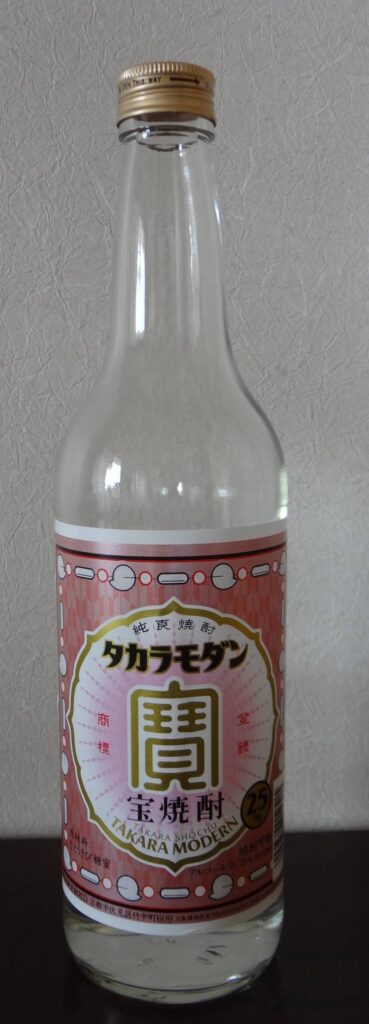
Usually a relatively restrained Japanese spirit suited to subtle neat evaluation or mixed presentation. Its defining feature is the production classification, not a guarantee of complete flavourlessness. Blending and treatment can preserve or introduce gentle cereal, savoury or maturation notes.
Color
Maturation
Alcohol
Sweetness
Balance
History
Multiple-distilled shochu developed with Japan’s adoption of continuous distillation and the commercialization of lighter spirits in the early twentieth century. Takara’s chronology records sales of its new-style shochu in the Kantō region in 1912 and its own production from 1916. These are useful industrial milestones for this branch of shochu, not the beginning of shochu as a whole, which has a substantially older history. Takara Shuzo: Takara shochu history.
Classic characteristics
Appearance
Usually clear and colourless; verify any blended or matured components.
Aroma
Generally light; restrained grain, sweet aromatic or mineral-like associations may appear.
Flavor
Relatively neutral to gently characterful; evaluate the actual blend.
Sweetness
Often dry to softly sweet-seeming; check formulation rather than assuming.
Mouthfeel
Usually light, with moderate warmth relative to stronger spirits at equal serving conditions.
Finish
Commonly short to medium and restrained; length alone should not decide quality.
Flavor Profile Deep Dive
Reward precision and integration in a restrained style; limited aromatic intensity or length is not inherently deficient. Investigate persistent unpleasant solvent-like, stale or sulfurous character in context. Do not diagnose a specific production error from one aroma; appropriate fermentation character and proof-related warmth are not automatic faults.
Service notes
Compare neat samples at their labeled strengths before evaluating the same mixer recipe. Ask whether the spirit contributes recognisable flavour, texture or principally alcohol structure. Avoid describing dilution with soda as the spirit's inherent weakness. For consumers, explain its restrained character and intended presentation without suggesting that all Japanese shochu is interchangeable. When discussing a blended example, separate information about its components from assumptions based on the clear appearance.
Style parameters
| Parameter | Boundary or expectation |
|---|---|
| Base material | Permitted agricultural substrates; continuous-distillation shochu |
| Bottled strength | Japanese continuous-distillation class: below 36% ABV. |
| Japan: bottled ABV | below 36%; Continuous-distillation shochu. |
| Color and clarity | Usually clear and colourless; verify any blended or matured components. |
| Maturation | Not necessarily wholly unaged; producer blending information matters. |
| Additions | Confirm composition and distinguish ready-mixed drinks from the bottled spirit. |
Legal limits apply only to the named jurisdiction and identity. ADI entry conditions and typical sensory expectations are separate; a product example is not a universal range.
Cocktail connections
Style comparison
The contrast with honkaku shochu is primarily the distillation category and resulting range of expression. It is not an absolute neutral-versus-flavored divide. Nor does the word multiple establish how many passes a particular product undergoes. A lighter profile can be intentional and appropriate for its intended use.
Ingredients
Permitted agricultural substrates; continuous-distillation shochu
Production notes
ADI's misspelled “Multipul” entry is normalized here. The relevant Japanese distinction is continuous-distillation shochu, often called kōrui, rather than simply counting repeated pot-still passes. The Japan Sake and Shochu Makers Association identifies a strength below 36% for this class. ADI's suggestion that all examples arise from the listed koji mash ingredients is too narrow for the wider commercial category.
Commercial examples
No newly verified benchmark is designated in this revision. The original example discussion below remains a research lead, with its original qualifications.
Retained example and source context. Takara Shochu Jun documents multiple-distilled components and subtle grain, savoury and wood-associated character. Japanese industry classification.
Photo credit
Takara shochu. Photo: S-alfeyev / Wikimedia Commons. CC BY-SA 4.0. Display resized; no other edits.

Keep exploring
- Japan Sake and Shochu Makers Association classification — evidence reviewed 2026-09-18.