
Scottish Light Ale
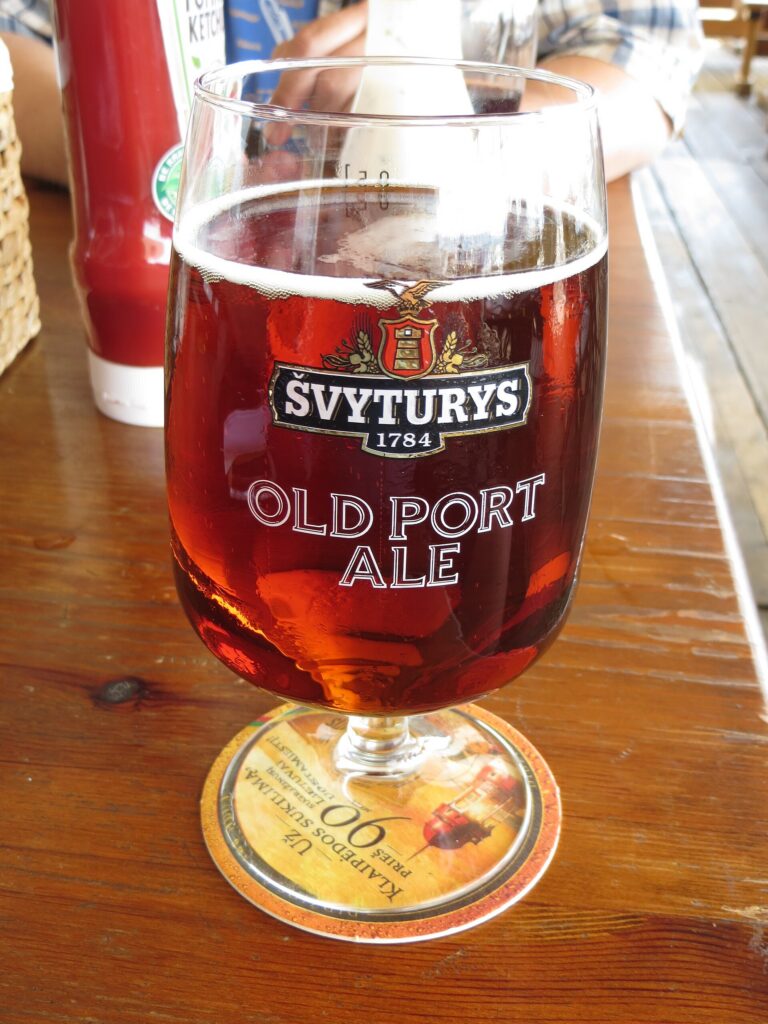

A malt-focused, generally caramelly beer with perhaps a few esters and occasionally a butterscotch aftertaste. Hops only to balance and support the malt. The malt character can range from dry and grainy to rich, toasty, and caramelly, but is never roasty and especially never has a peat smoke character. Traditionally the darkest of the Scottish ales, sometimes nearly black but lacking any burnt, overtly roasted character.
Color
Bitterness
Alcohol
Sweetness
Balance
History
Historical Development
Scottish beer sits at an interesting cross section in northern Europe's beer history. If you asked a beer judge to describe Scottish beer as a category, you'd likely hear that it's similar in many ways to English beer with more malt sweetness and less hop character. Of course that's an oversimplification, but it's also a somewhat ironic one.
As with most beer history, power and war play a crucial role in what we know today as Scottish beer. Early in the first millennium when Rome still had territorial control over northern Europe, the folks defending the front line from barbarians were hired Germanic soldiers, not native Italians. It's unlikely that the Germanic soldiers established a love for beer in Britain–the Gallic tribes that had slowly made their way into present-day England likely did that centuries earlier–but the Germanic love of beer certainly didn't hurt. (This time period, by the way, might be as good a candidate as any in the historical search for the origin of the societal concept that wine is more elegant than beer. When Romans wrote about these northern territories, they, used to Italian wine, found beer base and unfit.) When the Romans left England in the fifth century, English royalty hired those same Germanic soldiers to ward off the raiding that resulted on their eastern shores from the Picts (from modern-day Scotland) and the Scots (from modern-day Ireland). As the moniker indicates, the Anglo-Saxons stayed (against the wishes of the English), as did their beer culture.
In case you've had a few, here's the short version: the English had a small brewing culture to begin with, but when the Scots and Germans arrived, it became a foundational part of British culture. So although we often think of Scottish beer today by comparing it to British beer, it's the Scots that really got the ball rolling.
That was then, though, and beer has changed dramatically in the meantime. Scottish Light as we know it today was a response to the worldwide lager boom in the nineteenth century and the resulting decline in Scottish brewing. The two world wars hurt here just as much as in England, as did the temperance movement, even though that movement didn't have the stranglehold it did here in the states. At one point as late as the 1970s, Scotland was down to only eleven breweries. Of course Scotland has a fairly robust whisky industry that has something to do with this, but Scottish ales are unique and fantastic brews in their own right. Malty, sessionable, and caramelly sweet, but lacking the bitterness of most English styles, these are some of the most drinkable beers you'll find.
Modern Evolution
Classic characteristics
Appearance
Copper to brown, some versions being even darker than their bigger relatives
Aroma
Biscuity, caramelly, and with hints of butterscotch
Flavor
Usually malty-sweet, but some versions have a dry graininess Always malty in the balance
Mouthfeel
Medium-light body, low to medium-low carbonation Creamy
Flavor Profile Deep Dive
Service notes
BJCP designation
Overall Impression: A malt-focused, generally caramelly beer with perhaps a few esters and occasionally a butterscotch aftertaste. Hops only to balance and support the malt. The malt character can range from dry and grainy to rich, toasty, and caramelly, but is never roasty and especially never has a peat smoke character. Traditionally the darkest of the Scottish ales, sometimes nearly black but lacking any burnt, overtly roasted character.
Aroma: Low to medium maltiness, often with flavors of toasted breadcrumbs, lady fingers, and English biscuits. Low to medium caramel and low butterscotch is allowable. Light pome fruitiness in best examples. May have low traditional English hop aroma (earthy, floral, orange-citrus, spicy, etc.). Peat smoke is inappropriate.
Appearance: Pale copper to very dark brown. Clear. Low to moderate, creamy off-white head.
Flavor: Entirely malt-focused, with flavors ranging from pale, bready malt with caramel overtones to rich-toasty malt with roasted accents (but never roasty) or a combination thereof. Fruity esters are not required but add depth yet are never high. Hop bitterness to balance the malt. No to low hop flavor is also allowed and should be of traditional English character. Finish ranges from rich and malty to dry and grainy. A subtle butterscotch character is acceptable; however, burnt sugars are not. The malt-hop balance tilts toward malt. Peat smoke is inappropriate.
Mouthfeel: Medium-low to medium body. Low to moderate carbonation. Can be relatively rich and creamy to dry and grainy.
Comments: Malt-focused ales that gain the vast majority of their character from specialty malts, never the process. Burning malt or wort sugars via 'kettle caramelization' is not traditional nor is any blatantly 'butterscotch' character. Most frequently a draught product. Smoke character is inappropriate as any found traditionally would have come from the peat in the source water.
Characteristic Ingredients: Originally used Scottish pale malt, grits or flaked maize, and brewers caramel for color. Later adapted to use additional ingredients, such as amber and brown malts, crystal and wheat malts, and roasted grains or dark sugars for color but not for the 'roasty' flavor. Sugar adjuncts are traditional. Clean or slightly fruity yeast. Peat-smoked malt is inauthentic and inappropriate.
Style Comparison: Similar character to a Wee Heavy, but much smaller. Similar in color to a Dark Mild, but a little weaker in strength.
Vital Statistics: OG: 1.030 – 1.035 IBUs: 10 – 20 FG: 1.010 – 1.013 SRM: 17 – 22 ABV: 2.5 – 3.2%
Commercial Examples: McEwan's 60/-
Brewers Association designation
Scottish-Style Light Ale Color: Golden to light brown Clarity: Chill haze is acceptable at low temperatures Perceived Malt Aroma & Flavor: Malty, caramel aroma may be present. A low to medium-low, soft and chewy caramel malt flavor should be present. Perceived Hop Aroma & Flavor: Should not be present Perceived Bitterness: Low Fermentation Characteristics: Yeast attributes such as diacetyl and sulfur are acceptable at very low levels. Bottled versions may contain higher amounts of carbon dioxide than is typical for lightly carbonated draft versions. Fruity esters, if present, are low. Body: Low Original Gravity: 1.030-1.035 (7.6-8.8 Plato) Final Gravity: 1.006-1.010 (1.5-2.6 Plato) Alcohol by Weight (Volume): 2.2%-2.8% (2.8%-3.5%) Bitterness (IBU): 9-20 Color SRM (EBC): 6-15 (12-30 EBC)
Style comparison
Ingredients
Grain Bill
Two-row brewers malt Caramel malts Very light use of roasted barley English hops Neutral Scottish ale yeast
Brewing process
Mash Profile
A single infusion mash is traditional, and hopping is traditionally only one addition for bitterness early in the boil. Use caramel malts at up to 20% of the grain bill, but make most of them lighter caramel malts…120L can take this beer over quickly at too high a percentage. Keep the roasted barley to 2% or less…this is really just giving you color and a touch of dryness. Plan to mash in the middle to upper range for lower fermentable extract but not too light of a body (153-154F). Fermented in the low to mid 60s with Scottish yeast for a clean neutral character.
Food pairings
At the Pub: Grilled Endive Salad Takeout: Sandwiches Barbecue night: Beer Can Chicken
Desserts
Spirit pairings
Black Flannel Vermont Common
The soundtrack
New: Horse Feathers Old: Fanny Hensel, Lieder Op. 7
Keep exploring
- BJCP Guidelines: 13D (Scottish Light)
- Beer Judge Certification Program: BJCP Official Guidelines