
Commercial Examples
Adnams Southwold Bitter, Brains Bitter, Fuller's Chiswick Bitter, Greene King IPA, Tetley's Original Bitter, Young's Bitter

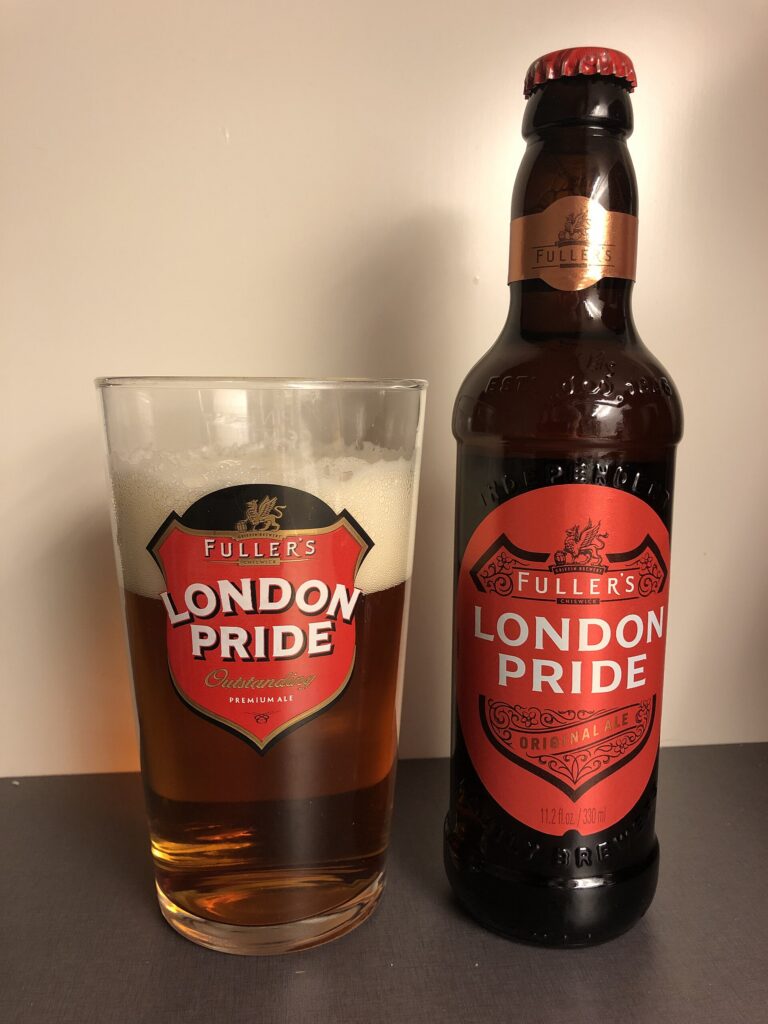
Low gravity, low alcohol levels, and low carbonation make this an easy-drinking session beer. The malt profile can vary in flavor and intensity, but should never override the overall bitter impression. Drinkability is a critical component of the style.
British beers get a bad rap. It seems like every time we need a cheap laugh about the Brits our go-to is "Three Americans walk into a pub and order warm, flat beer." Sure…the beer is warmer and flatter than American ales, but there are a lot of reasons for that. First, it's the result of two world wars that decimated the food and grain supply in England for a significant portion of the last century, altering brewers' processes and drinkers' tastes to this day. Second, these beers are part of a completely different drinking tradition–and ironically one that most would love if they experienced it–than Americans are used to.
Not for the first time, the two wars that destroyed Europe in the first half of the twentieth century necessitated a change in brewing process. Ingredients, particularly malted barley, were rationed, and laws were put in place that limited the alcohol content in all beer produced. One such law from 1918 mandated that half of the beer produced had to have an original gravity less than 1.030, roughly equating to a beer of less than 3% ABV. It wasn't always this way, though. In the Victorian period, most of the beer produced sat between 5-12%, similar to what we see in American bars today. Even before that, estates would produce much of their own beer with a large variety of alcohol content ranging from 3-4% on the low end to 10-12% on the high end. The styles that would eventually become Ordinary Bitter, Best Bitter, and Strong Bitter–sometimes collectively referred to as "bitters"–were more or less established by the early twentieth century, but with the new rations and limitations, they became (and remained) weaker during the wars.
In a previous life, a British pianist once cheekily told me that normal English beer consumption is roughly equivalent to Americans' concept of a high-functioning alcoholic. The English can drink. A lot. What's different is that drinking is an acceptable, public, and often work-related activity. On a recent trip to London, I noticed (happily) that the pubs were full from around 11:00 AM-1:00 AM on week nights, and everyone–I do mean everyone–had at least a couple of pints while they were there. Many of those folks were just in for lunch, but there wasn't the stigma around an afternoon pint that you might face when you arrive back at an American office. Whatever sparked that trend, the culture demands low-gravity, easy-to-stomach beer that people can have and get on with their day.
Most of the versions of bitter you'll find on a shelf in the States are brewed for our market, so they won't taste the way they do from a cask. If you do get the chance to try one of these brewed and packaged traditionally, ask for "a pint" or "a half," and expect an amber-colored, biscuity, bitter beer with a smooth finish and a pleasant cider note from the oxidation of the cask. These are wonderfully delicate creatures, and they're probably harder to find than that sexy imperial stout your buddy just traded for. If nothing else, it's unlike anything else in the beer world that Americans are used to.
Deep gold to amber
Light biscuity, bready malt Floral, earthy, herbal, and woody English hops
Bitter in balance Notes of biscuity sweetness on palate
Light body, with low carbonation leading to a creamy mouthfeel
Overall Impression: Low gravity, low alcohol levels, and low carbonation make this an easy-drinking session beer. The malt profile can vary in flavor and intensity, but should never override the overall bitter impression. Drinkability is a critical component of the style.
Aroma: Low to moderate malt aroma, often (but not always) with a light caramel quality. Bready, biscuity, or lightly toasty malt complexity is common. Mild to moderate fruitiness. Hop aroma can range from moderate to none, typically with a floral, earthy, resiny, and/or fruity character. Generally no diacetyl, although very low levels are allowed.
Appearance: Pale amber to light copper color. Good to brilliant clarity. Low to moderate white to off-white head. May have very little head due to low carbonation.
Flavor: Medium to moderately high bitterness. Moderately low to moderately high fruity esters. Moderate to low hop flavor, typically with an earthy, resiny, fruity, and/or floral character. Low to medium maltiness with a dry finish. The malt profile is typically bready, biscuity, or lightly toasty. Low to moderate caramel or toffee flavors are optional. Balance is often decidedly bitter, although the bitterness should not completely overpower the malt flavor, esters and hop flavor. Generally no diacetyl, although very low levels are allowed.
Mouthfeel: Light to medium-light body. Low carbonation, although bottled examples can have moderate carbonation.
Comments: The lowest gravity member of the British Bitter family, typically known to consumers simply as "bitter" (although brewers tend to refer to it as Ordinary Bitter to distinguish it from other members of the family).
Characteristic Ingredients: Pale ale, amber, and/or crystal malts. May use a touch of dark malt for color adjustment. May use sugar adjuncts, corn, or wheat. English finishing hops are most traditional, but any hops are fair game; if American hops are used, a light touch is required. Characterful British yeast.
Style Comparison: Some modern variants are brewed exclusively with pale malt and are known as golden ales, summer ales, or golden bitters. Emphasis is on the bittering hop addition as opposed to the aggressive middle and late hopping seen in American ales.
Vital Statistics: OG: 1.030 – 1.039 IBUs: 25 – 35 FG: 1.007 – 1.011 SRM: 8 – 14 ABV: 3.2 – 3.8%
Commercial Examples: Adnams Southwold Bitter, Brains Bitter, Fuller's Chiswick Bitter, Greene King IPA, Tetley's Original Bitter, Young's Bitter
Ordinary Bitter Color: Gold to copper-colored Clarity: Chill haze is allowable at cold temperatures Perceived Malt Aroma & Flavor: Low to medium residual malt sweetness should be present Perceived Hop Aroma & Flavor: Very low to medium-low Perceived Bitterness: Medium Fermentation Characteristics: Mild carbonation traditionally characterizes draft-cask versions, but in bottled versions, a slight increase in carbon dioxide content is acceptable. Fruity esters are acceptable. Diacetyl is usually absent in these beers but may be present at low levels. Body: Low to medium Original Gravity: 1.033-1.038 (8.3-9.5 Plato) Final Gravity: 1.006-1.012 (1.5-3.1 Plato) Alcohol by Weight (Volume): 2.4%-3.3% (3.0%-4.2%) Bitterness (IBU): 20-35 Color SRM (EBC): 5-12 (10-24 EBC)
Some modern variants are brewed exclusively with pale malt and are known as golden ales, summer ales, or golden bitters. Emphasis is on the bittering hop addition as opposed to the aggressive middle and late hopping seen in American ales.
Two-row brewers malt Light use of caramel malts English hops Expressive English ale yeast
A single infusion mash is traditional, and hopping is traditionally only one addition for bitterness early in the boil, but variations certainly exist. Fermented with English yeast for a pomme fruit fermentation profile.
At the Pub: Smash burger and fries Takeout: Fish and chips Casual date: Swanky sandwiches
Black Flannel Vermont Common
Adnams Southwold Bitter, Brains Bitter, Fuller's Chiswick Bitter, Greene King IPA, Tetley's Original Bitter, Young's Bitter